
Why Winter Is Brutal on HVAC Units
Before we talk solutions, let’s look at what exactly your unit is up against:
1. Falling Ice & Icicles
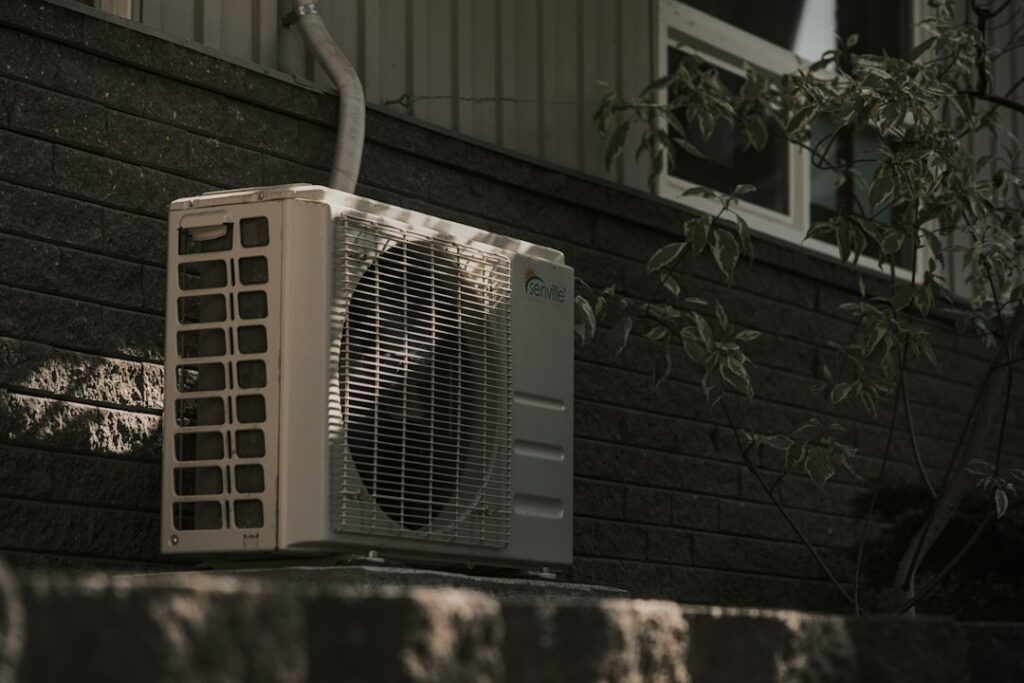
When snow accumulates on your roof, it eventually melts and refreezes into heavy icicles or sheets of ice. As temperatures fluctuate, that ice breaks off and crashes down—often right onto your HVAC unit.
2. Tree Branches & Debris
Winter winds are no joke. Dead tree limbs, pinecones, and other yard debris can easily be swept off branches or rooftops and land squarely on your unit.
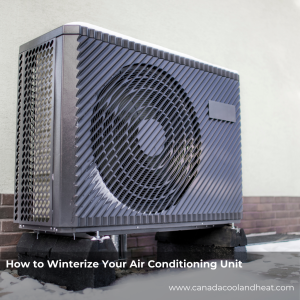
3. Snow Drifts & Ice Buildup
Not only can snow bury your unit, but constant freezing and thawing can also create an ice dam around the unit, which blocks airflow and strains the system.
4. Roof Runoff
Units located near a roof’s drip line are particularly vulnerable. Melting snow falls straight down and freezes around the coils, causing long-term damage.
Simple Ways to Protect Your Outdoor HVAC Unit
Now for the good news: With a little planning, you can save your unit from damage and ensure it runs smoothly all winter long. Here’s how:
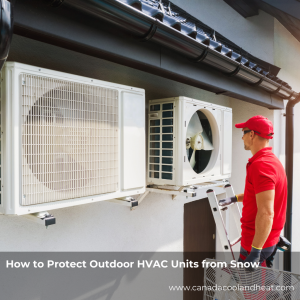
1. Install a Protective Cover or Cage
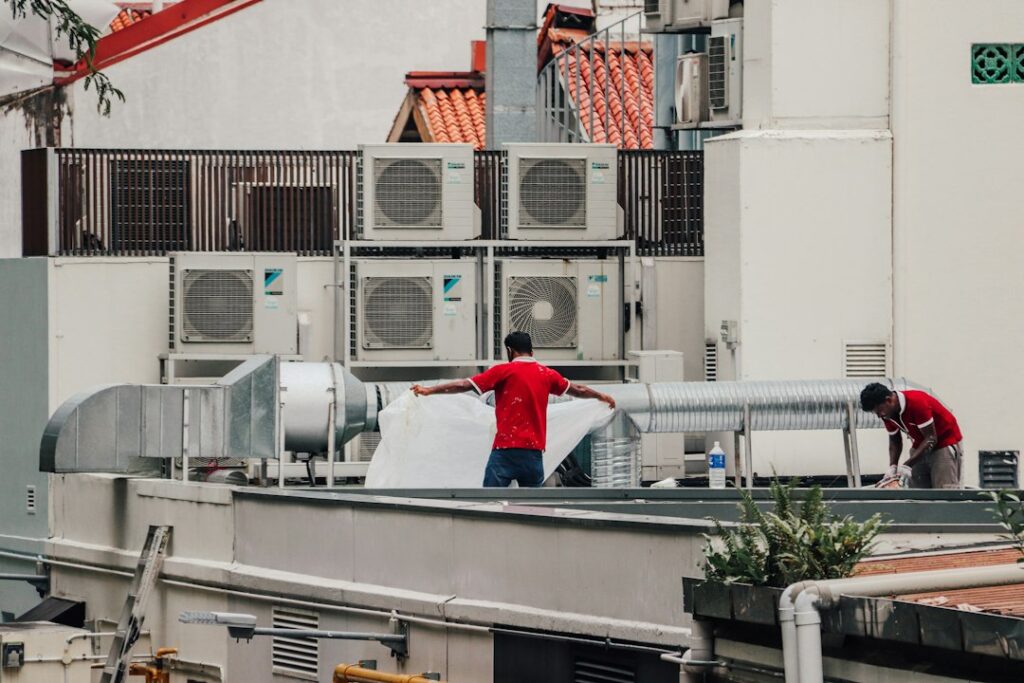
Not just any tarp will do—your unit needs to breathe! Invest in a custom-fitted HVAC cover made of breathable material designed for winter use. These covers keep snow and debris out while allowing moisture to escape, preventing rust.
For more permanent protection, consider an HVAC snow guard or cage. These are sturdy frames made of metal or weather-resistant plastic that shield your unit from direct hits by falling debris or ice chunks.
Pro Tip: Never use plastic wrap or airtight covers. Trapped moisture can corrode your system’s vital components.
2. Build a Roof or Awning Overhead
If your unit sits under a sloped roof or gutters, installing a small overhang or awning can make a world of difference. It directs roof runoff and icicles away from the unit and prevents buildup.
Make sure the structure is professionally installed and high enough to allow for proper airflow and technician access.
3. Trim Nearby Trees
If your outdoor HVAC unit is near trees, especially older ones, winter is the perfect time to cut back overhanging limbs. Even light branches can do serious damage when loaded with ice.
Pro Tip: Call a certified arborist for large trimming jobs. Safety first!
Safe Clearance Guidelines for Outdoor Units
Your HVAC system needs space to breathe—not just for performance, but also for protection.
Here’s what the pros recommend:
| Area | Minimum Clearance |
|---|---|
| Top (vertical clearance) | At least 5 feet if located under a roofline |
| Sides (horizontal clearance) | Minimum 12–24 inches on all sides |
| Above unit (if covered) | Ensure 24–60 inches of vertical space for airflow |
And always, always keep the area around the unit clear of snow, leaves, and clutter. If your unit is buried, it can’t exchange air properly—which leads to overheating or freezing, both of which can shorten its lifespan.
A Real-Life Reminder: Don’t Wait Until It’s Too Late
One homeowner we spoke to—let’s call her Jenna—had her outdoor unit crushed by a massive icicle during a freak ice storm. The unit was directly under her gutter’s drip edge and had zero overhead protection. The repair bill? Nearly $2,000.
Now? Jenna has a steel cage over her new unit, a sloped awning redirecting runoff, and a healthy respect for what winter can do.
Wrapping It Up: Be Proactive, Not Reactive
Your outdoor HVAC unit is built to withstand a lot—but it’s not invincible. Winter brings hazards that can dent, clog, or even destroy your system if you’re not careful. By:
-
Using breathable covers
-
Installing roof shields or cages
-
Trimming nearby branches
-
Maintaining proper clearance
—you can extend the life of your system, improve performance, and avoid costly repairs when the snow starts to fall.
FAQs: Protecting Your Outdoor HVAC Unit in Winter
1. Can I run my HVAC unit with a cover on it?
Only if it’s a breathable winter-specific cover. Never run your unit with a plastic or non-ventilated cover—it can overheat or freeze up.
2. Is it okay to leave snow piled around the unit?
No. Snow blocks airflow and can lead to freezing. Always shovel around your unit after heavy snowfall.
3. How do I know if falling ice has damaged my unit?
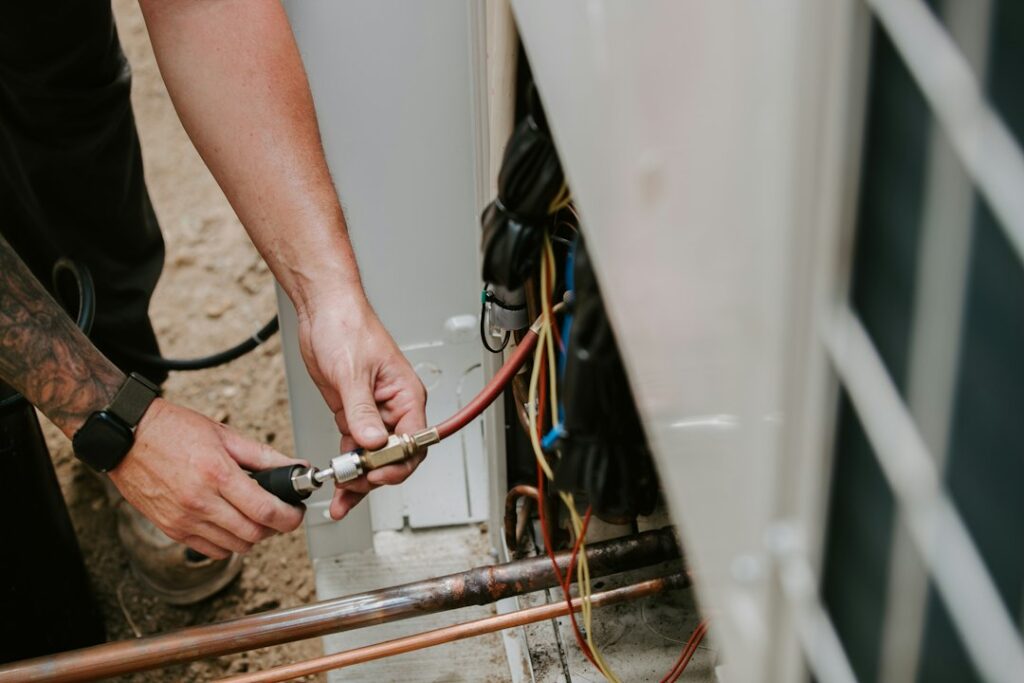
Listen for unusual noises or airflow issues. If you’re unsure, call a professional HVAC tech for an inspection.
4. Are HVAC covers expensive?
Basic covers range from $20–$80. Custom or heavy-duty cages can cost $200 or more but offer long-term protection.
5. Should I turn off the unit during storms?
If it’s not in use (like a central AC during winter), yes—shut off the power at the breaker to avoid electrical issues.
6. Do heat pumps need special protection in winter?
Yes. While they’re designed for cold, they still benefit from overhead shielding and regular snow clearance.
7. Can I build my own cover or roof?
Yes, if you’re handy—but always ensure enough airflow and clearance. Avoid fully enclosing the unit.
8. What’s the best time to prep my HVAC unit for winter?
Fall is ideal. Clean it out, install protection, and trim trees before the first snow falls.