
🛠️ The Role of Kitchen Ventilation in Older Homes
In most older homes, the HVAC system was designed long before modern cooking equipment or open-concept kitchen designs were even imagined. Proper ventilation is essential not only for air quality but also for the overall energy efficiency of your home.
Why It Matters:
-
Air Exchange: Cooking produces smoke, moisture, and odors. Without good ventilation, these linger and strain your HVAC.
-
Pressure Imbalance: Improper venting creates negative pressure, which can suck cold air in through leaks and force warm air out.
-
Moisture Control: Steam from cooking contributes to excess humidity, which your HVAC then works harder to remove.
💨 How Range Hoods Affect HVAC Balance
Let’s say you’re running your vent hood while searing steaks. You’ve opened the window a crack to “help it vent.” That’s your HVAC system’s worst nightmare.
The HVAC Tug-of-War:
When a vent hood pulls air out, it has to be replaced somehow. In tightly sealed homes, this can cause:
-
Negative Air Pressure: Makes it harder for your heating system to work efficiently.
-
Backdrafting: Dangerous scenario where combustion gases from water heaters or furnaces are pulled back into the home.
-
Energy Waste: Your system compensates for air loss by overworking, especially if it’s already an older, less efficient setup.
Older heating systems—like baseboard radiators or vintage furnaces—are particularly vulnerable because they’re not designed to deal with fluctuating airflows caused by modern kitchen equipment.
📐 Proper Range Hood Sizing Guidelines
Choosing the right range hood isn’t just about aesthetics or power—it’s about balance. Here’s how to size it properly to minimize strain on your HVAC.
Step 1: Match to Cooktop Size
-
Standard Rule: Hood should be at least as wide as the cooktop.
-
30″ range → 30″ hood minimum
-
Step 2: Calculate CFM (Cubic Feet per Minute)
-
Gas Ranges: 100 CFM for every 10,000 BTUs
-
Electric Ranges: 100 CFM for every 10″ of stove width
-
Example: A 4-burner gas range with 40,000 BTUs needs a 400 CFM hood
Step 3: Consider Ducting and Distance
-
The longer and more twisted the duct run, the more CFM you’ll need
-
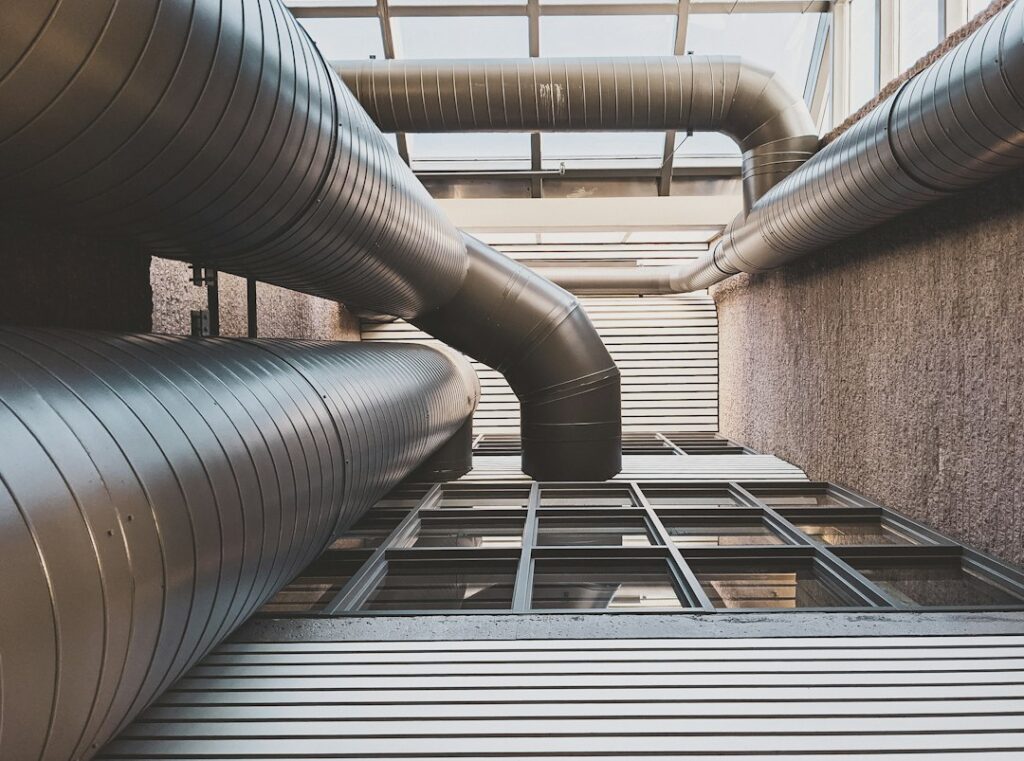
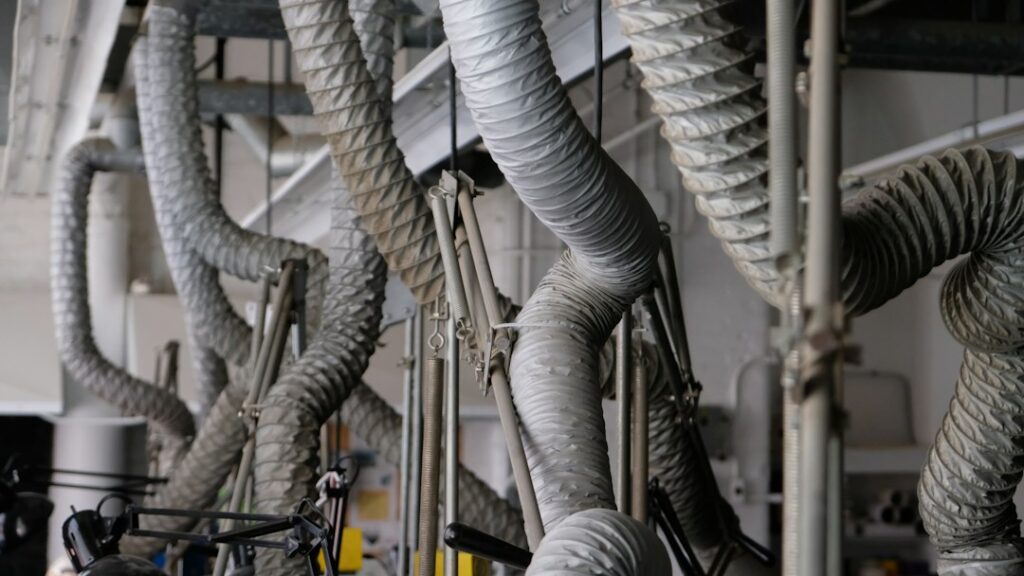
Use smooth metal ducting (not flexible plastic or aluminum) to reduce resistance
Step 4: Add Make-Up Air if Necessary
-
If your hood is over 400 CFM, a make-up air system is usually required by code
-
This introduces fresh air to replace what’s vented out, maintaining pressure balance
🧰 Upgrades and Fixes That Work With Older Heating Systems
You don’t need to tear out your entire HVAC system to get better performance—especially if your vent hood setup is contributing to inefficiencies.
Small Fixes, Big Impact:
-
Install Backdraft Dampers: Prevent outside air from re-entering through the vent duct.
-
Seal Leaks in Ductwork: Especially around old registers and returns.
-
Use Variable Speed Fans: More control = less disruption to pressure.
-
Add Kitchen-Specific Sensors: Smart thermostats or humidity sensors that regulate HVAC behavior based on cooking activity.
For Larger Renovations:
-
Upgrade to Balanced Ventilation (ERV/HRV): These systems exchange stale indoor air with fresh outdoor air while conserving heat.
-
Zone Control Systems: Let different parts of the house (like the kitchen) operate independently for optimal comfort.
🏠 Real-Life Example: The Bungalow Fix
A homeowner in Minnesota was noticing unusually high heating bills and persistent kitchen condensation. Her 1940s bungalow had a 600 CFM range hood vented directly outside. The furnace was running constantly—especially when cooking.
The solution?
-
A make-up air unit was installed.
-
Ducts were resealed.
-
Hood fan was swapped for a variable-speed model set to run lower for most tasks.
Result?
-
Energy bills dropped 18%
-
No more backdrafting
-
And best of all, her vintage furnace didn’t have to work so hard
✅ Conclusion: Efficiency Starts in the Kitchen
Older homes have charm—but they also come with quirks. If you’ve upgraded your kitchen but not your HVAC system, your vent hood could be silently sabotaging efficiency.
Start by checking your range hood’s specs, evaluating pressure balance, and considering make-up air solutions. With just a few tweaks, you can cook up a storm and keep your home warm without overworking your heating system.
❓ FAQ: Vent Hood HVAC Kitchens
1. Do range hoods affect heating systems?
Yes. High-powered range hoods can disrupt air pressure and cause heating systems to work harder, especially in tightly sealed or older homes.
2. What is make-up air, and why do I need it?
Make-up air replaces the air a vent hood removes, preventing pressure imbalances that affect HVAC performance and indoor air quality.
3. How do I know if my range hood is too powerful?
If it’s over 400 CFM and you notice drafts, backdrafting, or higher heating bills, it’s likely too strong without make-up air.
4. Can I add a range hood to an older home without hurting efficiency?
Absolutely—just make sure it’s properly sized, vented, and balanced with make-up air if necessary.
5. Should I replace my old furnace if I’m updating my kitchen ventilation?
Not necessarily. Start with ventilation upgrades and duct sealing; many older systems perform well when the home’s air pressure is balanced.
6. Is ductless (recirculating) ventilation better for HVAC balance?
It’s easier on the HVAC system but doesn’t remove moisture or smoke as effectively. Best for light cooking or spaces where venting isn’t feasible.