
The Role of Ventilation in Cooking
Cooking produces heat, moisture, grease particles, and odors. Without proper ventilation, all of these can linger in your kitchen—and throughout your home. That’s where your range hood comes in.
Why Ventilation Matters:
-
Air Quality: Removes pollutants like nitrogen dioxide and carbon monoxide.
-
Moisture Control: Reduces the humidity that can lead to mold and damage.
-
Grease Management: Keeps cabinets and ceilings free of sticky residue.
-
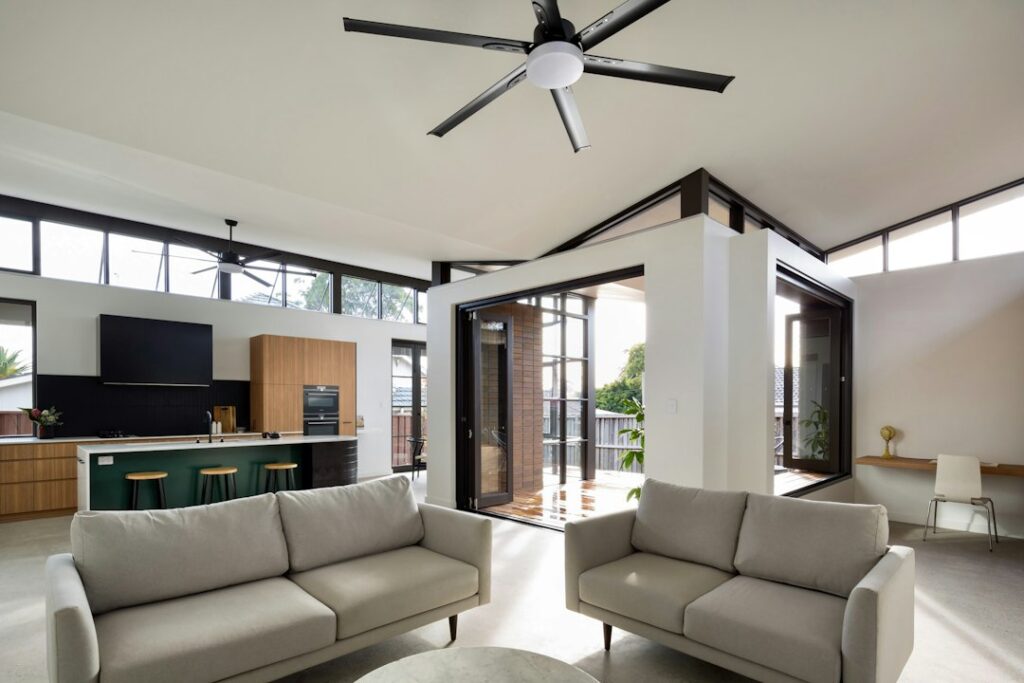
Comfort: Balances temperature, especially important in open kitchens.
The HVAC Tug-of-War: Range Hoods vs. Split ACs
Now, here’s where things get interesting. Your range hood and HVAC system might be at odds without you even knowing it.
Split AC Systems – The Basics:
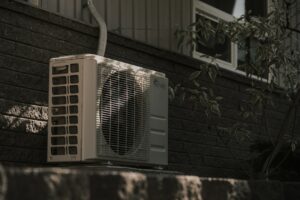
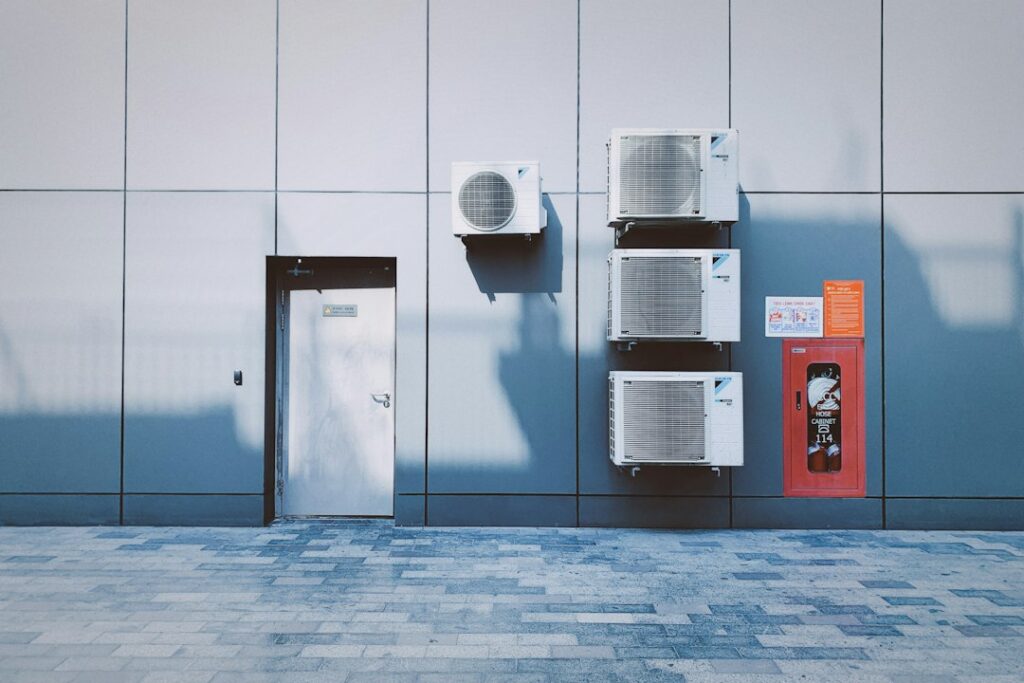
A split system has two main parts: an indoor air-handling unit and an outdoor compressor. They’re quiet, energy-efficient, and ideal for targeted cooling—like a kitchen.
But turn on a powerful range hood (especially one rated over 400 CFM), and it might start pulling more air out of the room than your HVAC can replace. This creates negative pressure, which can cause:
-
Backdrafting from fireplaces or gas appliances.
-
Pulling outdoor pollutants inside.
-
HVAC inefficiency due to pressure imbalances.
Balancing the System:
-
Make-up Air Units (MUAs): These systems introduce fresh air to replace what’s exhausted.
-
Smart Range Hoods: Some models adjust airflow based on cooking activity and HVAC demand.
-
Duct Design: Proper duct sizing and location can help maintain balance.
Sizing Guidelines: Getting Ventilation Right
The performance of a vent hood isn’t just about power—it’s about the right size for your space and cooking habits.
1. CFM (Cubic Feet per Minute) Guidelines
-
Electric Cooktops: 150–300 CFM
-
Gas Ranges: 300–600 CFM
-
High-Performance Cooking (e.g., wok, grilling): 600–1200 CFM
Rule of Thumb: For every 10,000 BTUs of burner output, aim for 100 CFM of ventilation.
2. Duct Sizing
-
400 CFM: 6″ duct
-
600–900 CFM: 8″ duct
-
900+ CFM: 10″ duct or larger
3. Hood Dimensions
-
Hood width should be equal to or slightly wider than your cooktop.
-
Mount 24–30 inches above the stove for optimal capture.
Pros and Cons of Split AC Systems in Kitchens
✅ Pros:
-
Zoned Cooling: Direct comfort where it’s needed—perfect for hot kitchens.
-
Energy Efficient: No duct losses; ideal for energy-conscious homeowners.
-
Quiet Operation: Maintains a peaceful kitchen environment.
-
Flexible Placement: Can be installed in awkward kitchen layouts.
❌ Cons:
-
Airflow Competition: Can struggle to compensate when range hoods exhaust large volumes.
-
Condensation Risk: Overcooling in humid conditions can create moisture build-up.
-
Maintenance Needs: Filters need regular cleaning, especially with grease in the air.
-
Initial Cost: More expensive than window units, though cheaper than full ducted systems.
Conclusion: Finding the Right Balance
So, is a split AC system a good idea for your kitchen? Absolutely—but only if you consider the bigger picture. Proper kitchen ventilation isn’t just about clearing the smoke; it’s about creating a harmonious environment where your HVAC and vent hood don’t compete, but complement.
By understanding how your cooking setup interacts with your air conditioning, and applying the right sizing and ventilation strategies, you can enjoy a kitchen that’s comfortable, efficient, and safe.
Frequently Asked Questions
1. Can a range hood affect HVAC performance?
Yes. If the hood exhausts more air than your HVAC system can replace, it can create pressure imbalances that reduce efficiency and air quality.
2. Do I need make-up air for my kitchen hood?
If your hood is over 400 CFM, local building codes often require make-up air to prevent negative pressure and backdrafting.
3. Are split ACs enough for large kitchens?
They can be, especially when zoned correctly. However, in open floor plans or high-cooking areas, you may need multiple indoor units or additional ventilation support.
4. How often should I clean my range hood filters?
For moderate cooking, clean filters every 1–3 months. For heavy use or greasy foods, monthly cleaning is recommended.
5. What is the ideal location for a split AC indoor unit in a kitchen?
Place it high on a wall, away from direct cooking fumes, and ensure airflow doesn’t interfere with your hood’s exhaust path.
6. Can a range hood cool the kitchen?
Not really. It removes hot air but isn’t designed for cooling. That’s where your HVAC system steps in.
7. Does duct length affect vent hood performance?
Yes. Longer or convoluted ducts reduce efficiency. Use smooth, short, straight ducts wherever possible.
8. Is it okay to vent a range hood indoors?
No. Always vent outside unless you’re using a ductless hood with a high-quality filter—these still won’t match the performance of external venting.