🍃 Why Proper Vent Hood Maintenance Matters
-
Cleaner Air Quality: Removing grease, smoke, and odors enhances your home’s air quality and prevents lingering cooking smells.
-
Improved Ventilation: Clean filters and ducts let air flow easily, avoiding clogs that reduce effectiveness. thisoldhouse.com+6cosmoappliances.com+6jesun.com+6
-
HVAC Balance: Vent hoods can create negative pressure—balance intake and exhaust air to prevent HVAC inefficiency and drafts.
1. Cleaning Tips for Air Vents & Filters
Metal (Mesh or Baffle) Filters
-
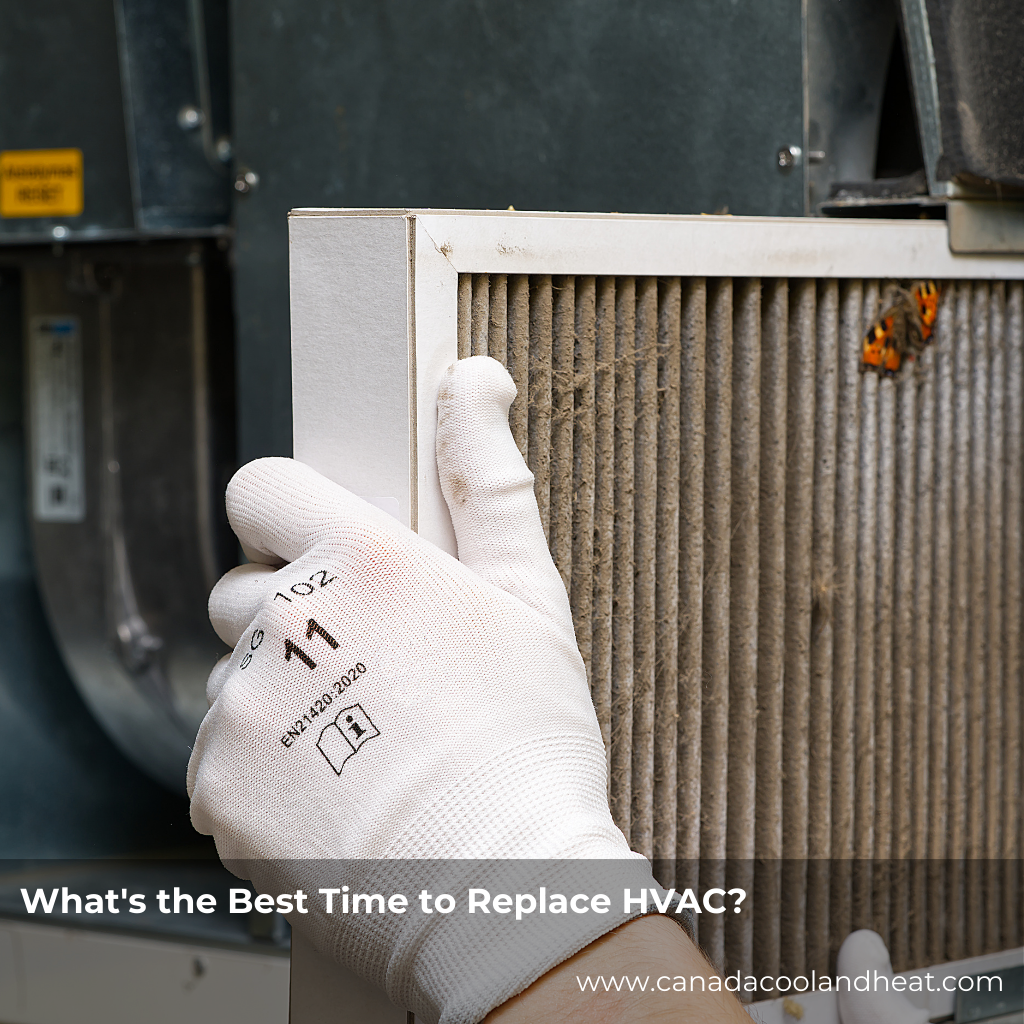
Soak in hot, soapy water or dishwasher. For stubborn grease, add baking soda and degreaser. Scrub, rinse, and fully dry before reinstalling. hauslane.com+2cosmoappliances.com+2hoodmart.com+2
Charcoal Filters
-
These aren’t washable. Replace every 6–12 months depending on usage. cosmoappliances.com
Fan Blades & Interior
-
With power off, remove filters to access the fan. Wipe blades with warm, soapy cloth, rinse, and dry to preserve airflow and motor longevity.
Vent & Ductwork
-
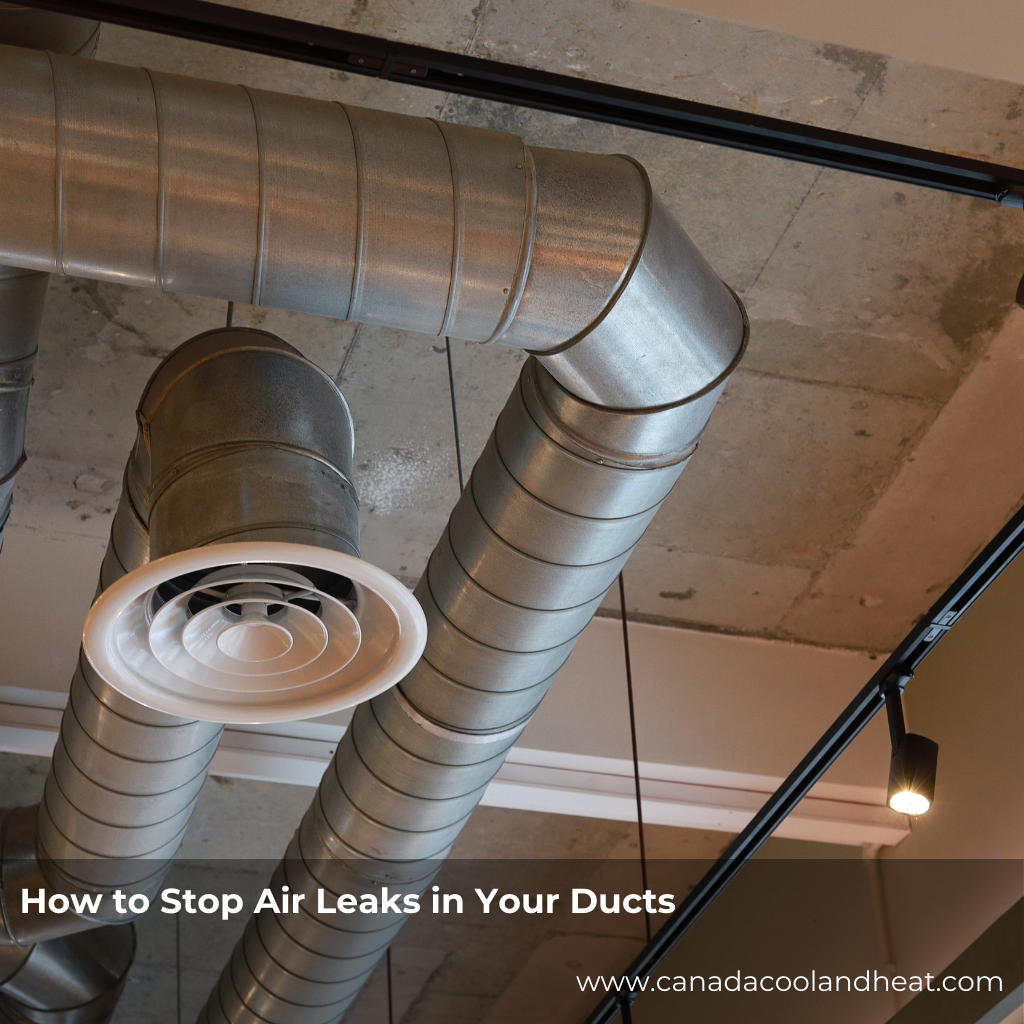
Grease accumulates over time—inspect annually. Professionals can deep-clean, or DIY with degreaser and a long-handled brush. cosmoappliances.com+1hoodmart.com+1
Exterior Surfaces
-
Gently wipe with mild cleaner or vinegar solution. Use stainless‑steel polish on metal surfaces—wipe following the grain. hoodmart.com
2. How Range Hoods Impact HVAC Balance
Range hoods remove air from the kitchen, which can disrupt your home’s air pressure. Without enough fresh air intake:
-
Drafts or back‑drafting can occur from uncontrolled gaps.
-
HVAC efficiency drops as it works harder to maintain temperature.
-
Solutions include using a make‑up‑air system or opening a window when your hood runs on high. zephyronline.com+4hoodsly.com+4moderncopper.com+4
3. Sizing Guidelines for Optimal Performance
A well-sized hood minimizes oversuction and ensures clean air:
-
Match hood width to cooktop—no less than the stove size (e.g., 30″ stove → 30″ hood).
-
Calculate required airflow (CFM):
-
Standard: 100 CFM per 10,000 BTUs.
-
High‑output cooking (e.g., searing, stir-fry): 150–200 CFM per 10,000 BTUs. hoodsly.commoderncopper.com
-
-
Select hood type:
-
Under-cabinet or insert: fits into cabinetry.
-
Wall-mount: ideal for open kitchen layouts.
-
Island: hangs above island cooktops—requires more powerful airflow. cosmoappliances.commoderncopper.com
-
-
Consider ductwork: Use short, straight ducts for max efficiency. Avoid twisting bends that hamper airflow.
4. Balancing Ventilation & HVAC for Best Results
-
Clean vents and filters regularly to avoid air clogging.
-
Run hood 10–15 minutes before and after cooking to clear built-up pollutants (Zephyr CleanAir practice). zephyronline.com
-
Coordinate with HVAC systems by adding make-up air or partially opening windows to support airflow balance. hoodsly.com
Conclusion
Cleaning and maintaining your air vents and hood is like giving your kitchen’s lungs a deep breath. When everything’s clean and sized right, you’ll enjoy:
-
Fresher, healthier indoor air
-
Efficient, cost-effective HVAC operation
-
A comfortable, happy cooking environment
So follow Anna’s lead—clean your filters, match the right size, balance the airflow, and embrace that fresh, delicious air every time you cook.
FAQ
-
How often should I clean vent filters?
Every month or after ~30 hours of use for metal filters. Replace charcoal ones every 6–12 months. zephyronline.com+2thisoldhouse.com+2hoodsly.com+2hoodmart.comjesun.com -
Can I use the dishwasher for filters?
Yes—but hand-wash if buildup is heavy. Cranking up water temperature and adding baking soda helps. -
What CFM do I need for my hood?
Use 100 CFM per 10 kBTU for normal cooking. Bump up to 150–200 CFM per 10 kBTU for high‑heat cooking. -
How do I prevent drafts from using my hood?
Add a make-up-air system or open a window for fresh airflow. hoodsly.com -
Can I clean ductwork myself?
Yes, with care: turn off power, remove vent covers, and use degreaser + long brush. Professional annual cleaning is ideal.