
🍳 The Forgotten Culprit: Kitchen Air Quality
Cooking releases a mix of steam, grease, and airborne particles into the air. For someone like Susan, these tiny irritants are like invisible enemies. They aggravate her asthma and set off sneezing fits. But with the right setup, particularly a properly functioning range hood, these issues can be minimized—or even eliminated.
💨 The Principles of Proper Kitchen Ventilation
Let me tell you what I told Susan over a cup of tea one evening: ventilation isn’t just a fan over your stove. It’s a system—a small ecosystem, really—designed to push out bad air and keep good air flowing in.
Here’s what makes ventilation “proper”:
-
Capture: The hood must effectively catch smoke, grease, and steam.
-
Containment: The air needs to be directed into the ductwork without escaping back into the room.
-
Exhaust: Finally, it must exit your home entirely—no recirculating air if allergies or asthma are at play.
🔁 Range Hoods and HVAC Balance: A Delicate Dance
What Susan didn’t realize (and what many homeowners don’t) is that range hoods interact with the HVAC system. When a hood is too powerful, it can pull more air out than the HVAC can replace, causing negative pressure in the house. That results in:
-
Drafts from windows and doors
-
Soot and smoke pulling back into living areas
-
Decreased efficiency of heating and cooling
Too weak, and you get the opposite: ineffective air removal, lingering odors, and allergen buildup.
The goal? Balance—a kitchen exhaust system that removes just enough air to clear the space without compromising overall indoor air quality.
📏 How to Size a Vent Hood for Your Kitchen
Now, here’s the part where numbers meet comfort.
I told Susan: “Let’s look at the size of your cooktop and go from there.” Here’s the rule of thumb I shared with her—and now, with you:
🔧 Sizing Guidelines
-
For electric stoves: 100 CFM (cubic feet per minute) for every 10 inches of stove width.
-
For gas stoves: 100–150 CFM per 10 inches, because they emit more heat and combustion byproducts.
-
Minimum vent hood width: as wide or wider than your cooktop.
-
If you often cook with high heat, wok frying, or heavy steam dishes, go bigger—up to 600+ CFM might be necessary.
And don’t forget duct size. A high-powered hood needs proper ducting (often 6″ or more in diameter) to exhaust effectively without excessive noise or airflow restriction.
🛠️ Choosing the Right Filter for Allergies and Asthma
After sorting out the range hood, Susan asked me about filters.
Here’s what matters most:
-
HEPA Filters: These capture up to 99.97% of airborne particles. Ideal for allergy and asthma sufferers.
-
Activated Carbon Filters: Great for removing odors and VOCs from cooking.
-
Electrostatic Filters: They trap allergens and can be washed and reused.
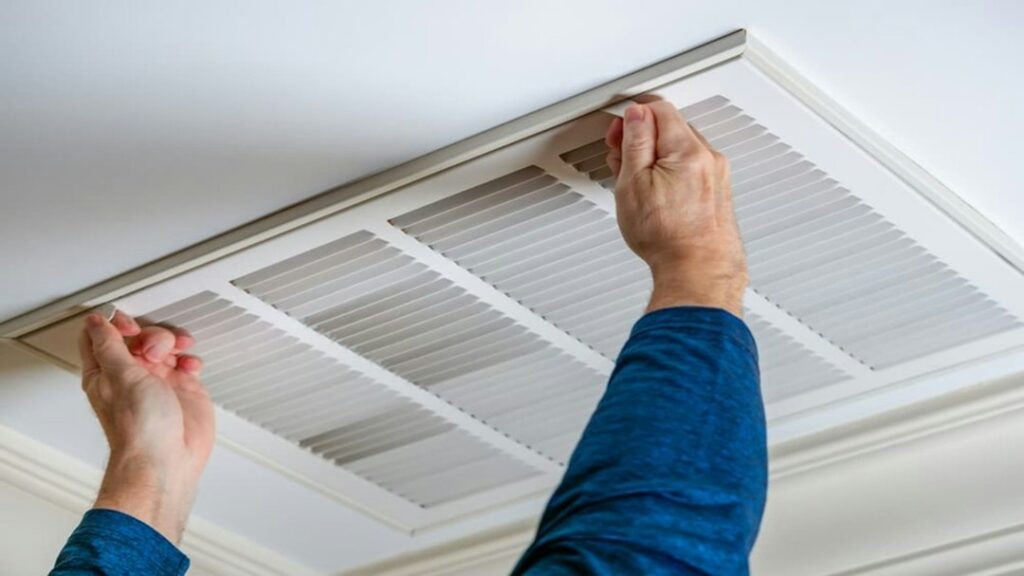
And while your HVAC system likely isn’t tied directly to your vent hood, the indoor air quality is one big loop. If you’re ventilating better in the kitchen but your HVAC filter isn’t catching remaining allergens, you’re only solving part of the problem.
✅ Susan’s Outcome
A few weeks after installing the new hood and upgrading her HVAC filters, Susan called me.
“I didn’t even realize how bad it was before,” she said. “Now I can cook tomato sauce without feeling like I’m suffocating!”
Conclusion: Breathe Easy, Cook Freely
Good air doesn’t happen by accident. It takes thoughtful planning—from the kitchen to the HVAC filter. Whether you’re managing asthma, fighting off seasonal allergies, or just want to breathe easier, a properly sized and balanced vent hood in your kitchen is a powerful first step.
Your next move?
Check your kitchen’s ventilation. Is your hood the right size? Does your HVAC filter need an upgrade? A few smart changes could dramatically improve your comfort and health.
🔍 Frequently Asked Questions
1. What is the best HVAC filter for allergies and asthma?
HEPA filters are the gold standard, trapping up to 99.97% of allergens like pollen, dust, and pet dander.
2. Can a range hood affect my HVAC system?
Yes. An overly powerful range hood can disrupt HVAC air balance by creating negative pressure, making your system work harder.
3. How do I know if my range hood is powerful enough?
Calculate based on stove width and type (gas or electric). Most kitchens need a hood between 300–600 CFM.
4. Is ductless ventilation good for allergies?
No. Ductless or recirculating hoods only filter, not exhaust. For allergy sufferers, external venting is much more effective.
5. What is CFM and why does it matter?
CFM stands for Cubic Feet per Minute. It measures airflow—critical to ensuring your hood removes enough air to keep pollutants at bay.
6. How often should I replace HVAC filters?
For allergy-prone homes, every 30–60 days is ideal—especially during high pollen seasons.
7. Can kitchen ventilation help reduce mold and mildew?
Absolutely. By reducing humidity and steam buildup, a good range hood helps prevent mold growth around cooking zones.
8. Are metal mesh filters in range hoods washable?
Yes, and they should be cleaned monthly to maintain airflow and prevent grease buildup.
9. Should I leave my range hood on after cooking?
Yes. Run it for 10–15 minutes after you’re done to clear lingering particles and moisture.
10. What’s better—updraft or downdraft ventilation?
Updraft is generally more effective, especially for capturing rising steam and smoke in traditional kitchens.