The Story of a Misbehaving Kitchen (and the Hidden HVAC Culprit)
A chef once complained that his kitchen would feel like the Arctic at 8 a.m., then transform into a sauna by lunch. The HVAC tech checked the system—no refrigerant leak, no faulty compressor, no clogged coils. So what was causing the chaos?
The vent hood.
The exhaust fan was pulling too much air out, and the make-up air unit wasn’t providing enough to replace it. The building’s HVAC system struggled to compensate. Room pressure shifted, conditioned air was sucked straight out of the kitchen, and the staff felt as if the climate changed every hour.
This is a classic scenario in many vent hood HVAC kitchens, where ventilation and climate control must work hand-in-hand.
Why Proper Ventilation Matters in Commercial Kitchens
1. Removes Heat, Smoke, and Grease
Cooking equipment releases heat and airborne contaminants. Without a properly sized vent hood, this builds up quickly, making the space uncomfortable and unsafe.
2. Protects HVAC Equipment
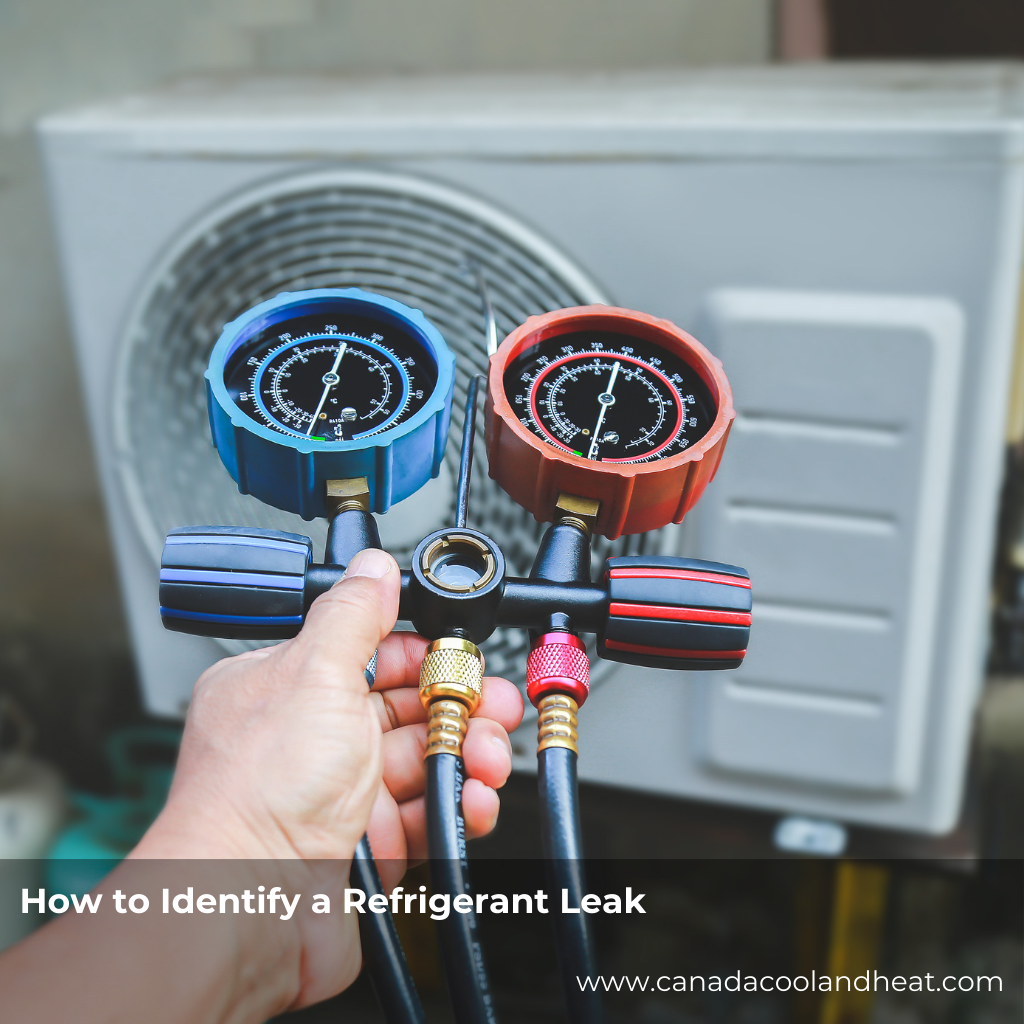
A kitchen without proper ventilation forces the HVAC system to work harder. Constantly exhausting conditioned air increases energy use and may even mimic the symptoms of refrigerant leaks or system malfunctions.
3. Maintains Indoor Air Quality
Vent hoods capture:
-
Grease particles
-
Combustion byproducts
-
Steam
-
Odors
Without them, the air becomes cloudy and hazardous.
How Range Hoods Impact HVAC Balance
Vent hoods are powerful machines. Some commercial hoods exhaust 1,200–5,000+ CFM of air. When that much air leaves the building, something has to replace it.
If the replacement air is not properly designed…
You get negative pressure.
Negative pressure causes:
-
HVAC systems to pull from unconditioned areas
-
Doors to suction shut
-
Hot/cold drafts
-
Increased energy bills
-
Reduced ventilation efficiency
-
Difficulty maintaining temperatures in the kitchen
In extreme cases, negative pressure can even pull carbon monoxide back down a flue—a dangerous backdrafting issue.
Make-Up Air (MUA): The Unsung Hero
A balanced system supplies fresh air equal to or slightly less than what the hood exhausts.
Typical design target:
80–90% of exhausted air should be replaced with make-up air.
This maintains balance without overwhelming the HVAC system.
Sizing Guidelines for Kitchen Vent Hoods
Proper sizing is critical in all vent hood HVAC kitchens—undersizing leads to smoke lingering, while oversizing wastes energy.
1. General Hood CFM Guidelines
| Equipment Type | Typical CFM per Linear Foot |
|---|---|
| Light-duty (ovens, steamers) | 200–300 CFM |
| Medium-duty (ranges, fryers) | 300–400 CFM |
| Heavy-duty (charbroilers, wok ranges) | 400–600 CFM |
| Extra heavy-duty (solid-fuel cooking) | 700+ CFM |
These are generalized guidelines; local code and hood type (Type I vs. Type II) determine specifics.
2. Hood Overhang Rules
To effectively capture heat and smoke, the hood must extend:
-
6 inches beyond the cooking equipment on all sides
-
18 inches in high-heat situations (like charbroilers)
Proper overhang improves capture efficiency, allowing lower CFM needs.
3. The Role of Duct Design
Poor duct routing can reduce performance even if the hood is sized correctly.
Good ducting includes:
-
Smooth interior surfaces
-
Limited turns
-
Proper slope for grease drainage
-
Direct route to the outside
4. Pairing Hoods With HVAC Systems
A properly balanced system includes:
-
Exhaust hood CFM
-
Make-up air CFM
-
HVAC supply CFM
-
Return air strategy
When these three streams aren’t aligned, the kitchen environment suffers.
Tips for Maintaining Balance in Vent Hood HVAC Kitchens
-
Have HVAC and Hood Contractors Coordinate
Most issues arise when these two systems are designed separately. -
Test for Pressure Imbalance
A simple smoke test can show if air is being pulled too aggressively. -
Regularly Clean Hood Filters
Grease-clogged filters reduce airflow and strain equipment. -
Ensure MUA Tempering Matches Kitchen Demand
Unconditioned make-up air creates hot/cold spots. -
Consider Demand-Controlled Ventilation Systems
These adjust airflow based on heat or smoke levels, saving energy.
Conclusion
A well-designed kitchen ventilation system is more than a shiny stainless-steel hood—it’s a key piece of your building’s overall HVAC health. By understanding airflow, maintaining balance, and properly sizing equipment, you can keep the kitchen comfortable, safe, and efficient.
Whether you’re troubleshooting an issue that seems like an HVAC malfunction or designing a new kitchen from scratch, paying attention to ventilation ensures your space stays productive and pleasant.
FAQ
1. How does a vent hood affect my HVAC system?
Vent hoods remove large volumes of air. If not properly balanced with make-up air, they can cause pressure issues and HVAC inefficiency.
2. Can a ventilation problem mimic a refrigerant leak?
Yes. Temperature swings or poor cooling performance can stem from negative air pressure rather than actual HVAC failure.
3. How often should I clean hood filters?
Most commercial kitchens need weekly cleaning. Heavy grease operations may require daily maintenance.
4. What size hood do I need for my cookline?
It depends on the equipment type, heat load, and local codes. Use CFM-per-linear-foot guidelines as a starting point.
5. What is make-up air and why is it important?
Make-up air replaces what the exhaust hood removes. Without it, kitchens develop negative pressure and unsafe conditions.
6. Can I oversize a hood?
Yes—and oversizing wastes energy, increases noise, and strains HVAC systems unnecessarily.
7. Should HVAC and hood contractors work together?
Absolutely. Coordination prevents pressure problems and ensures optimal performance.