How Proper Kitchen Ventilation Works
Cooking releases a mix of heat, moisture, grease particles, smoke, and sometimes harmful gases. Without good ventilation, those pollutants linger in your home, settle on surfaces, and burden your HVAC system.
Here’s what an effective kitchen ventilation setup should do:
-
Capture contaminants at the source
Range hoods pull air from directly above your cookware before it spreads into the room. -
Move pollutants outdoors
The most efficient hoods are ducted, meaning they expel air outside rather than recirculating it. -
Maintain steady airflow
Proper ventilation should remove cooking byproducts without disrupting the balance of pressure between indoors and outdoors. -
Protect HVAC efficiency
When the kitchen is vented properly, your HVAC system doesn’t need to fight heat spikes or poor air quality.
How Range Hoods Affect HVAC Air Balance
This is where the story gets interesting. A typical residential HVAC system is designed for a specific airflow level. When a high-powered vent hood kicks on, it sucks a large volume of conditioned air out of the home.
This creates what HVAC pros call negative pressure.
What Negative Pressure Does
-
Pulls outdoor air into the home through gaps and cracks
-
Makes your HVAC work harder to maintain set temperatures
-
Can backdraft combustion appliances (like gas water heaters)
-
Causes drafts, dust intrusion, or humidity imbalances
-
Leads to uneven heating and cooling throughout the house
A range hood that’s too large for the space can overwhelm your home’s air supply.
So, what’s the sweet spot?
Balance.
You want a vent hood powerful enough to clear grease and smoke—but not so powerful that it pulls your home off-balance like a tiny tornado.
Range Hood Sizing Guidelines
Choosing the right size vent hood is one of the most important parts of achieving a healthy kitchen-HVAC relationship.
1. Size by Cooktop Width
This is the simplest rule:
-
Your hood should be at least as wide as your cooktop.
-
Ideally, it should extend 3 inches wider on each side (e.g., a 36″ cooktop → 42″ hood).
This ensures proper capture of rising fumes and heat.
2. Size by CFM (Cubic Feet per Minute)
CFM determines the strength of your vent hood.
Standard guideline:
-
Gas cooktops: 1 CFM per 100 BTUs of burner power
-
Electric cooktops: 150–300 CFM is typically sufficient
For example, a gas cooktop with 50,000 BTUs total output would need a minimum 500 CFM hood.
3. Consider Makeup Air Requirements
Many building codes now require makeup air for hoods over 400 CFM.
Makeup air systems bring fresh air into the home to compensate for what the hood exhausts—preventing negative pressure and protecting your HVAC balance.
4. Account for Duct Length
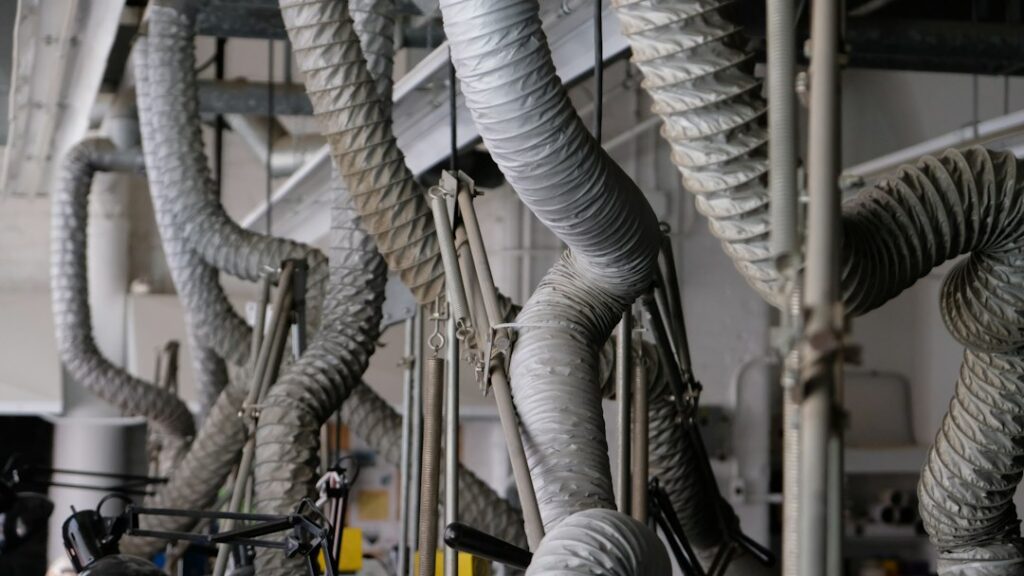
Longer duct runs = more resistance
More turns = more pressure loss
Smaller ducts = reduced airflow
Your installer may increase fan capacity to offset a difficult duct system.
5. Mounted vs. Island Hoods
Island hoods typically require stronger CFM because they have no wall to help capture and funnel air.
How Ventilation Impacts When You Should Replace Your HVAC
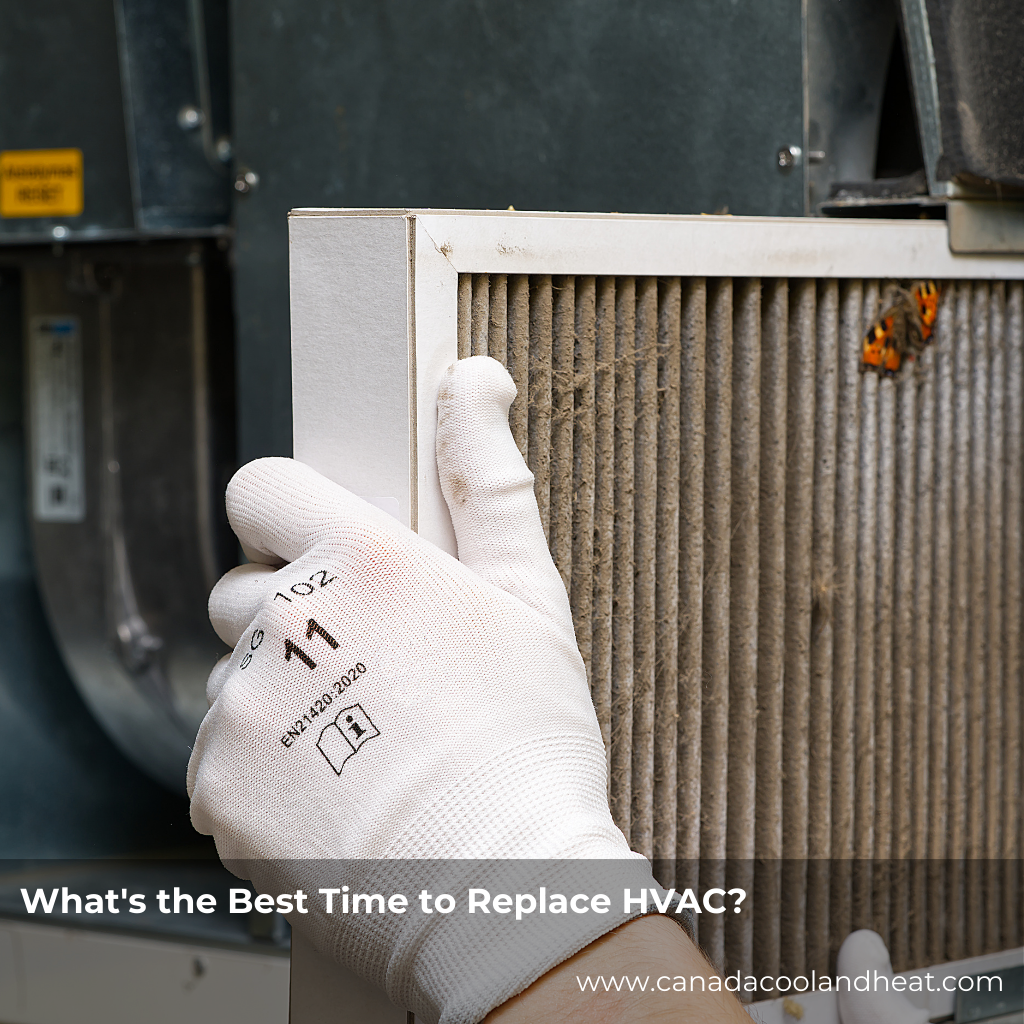
The question “What’s the Best Time to Replace HVAC?” often overlaps with kitchen ventilation issues.
Here’s how to tell if poor vent hood design or use is affecting your HVAC system—and whether replacement may be on the horizon.
Signs Your HVAC Is Struggling With Kitchen Ventilation
-
The house warms up significantly when cooking
-
Odors linger long after meals
-
HVAC runs constantly during heavy cooking
-
You notice soot, grease, or moisture on ceilings
-
Temperature fluctuations occur room-to-room
If your vent hood is oversized, undersized, clogged, or improperly ducted, your HVAC may be compensating more than it should.
Best Time to Replace Your HVAC
You should consider replacement when:
-
Your unit is 12–17 years old
-
You’ve noticed ongoing comfort or air quality issues
-
Your energy bills keep creeping up
-
You’re planning a kitchen remodel (especially new appliances or ductwork)
-
You want better indoor air quality and air balancing
Upgrading HVAC during a remodel lets you size everything—vent hood, ducting, and air supply—to work together seamlessly.
Conclusion
Proper kitchen ventilation doesn’t just make cooking more pleasant—it protects your home’s HVAC system, maintains indoor air quality, and keeps your living spaces comfortable year-round. By understanding how vent hood HVAC kitchens function together, you can avoid pressure problems, extend your HVAC lifespan, and create a healthier kitchen environment.
And when the time comes to replace your HVAC?
The best time is when you can pair your upgrade with thoughtful ventilation improvements for perfectly balanced airflow.
FAQ Section
1. Does a high-CFM vent hood affect my HVAC system?
Yes. High-powered hoods can remove large amounts of conditioned air, leading to negative pressure unless makeup air is provided.
2. What size vent hood do I need for a gas cooktop?
Use 1 CFM per 100 BTUs of burner output. A 60,000 BTU range typically needs 600 CFM.
3. Is makeup air really necessary?
For hoods over 400 CFM, many building codes require it. It prevents negative pressure and protects HVAC efficiency.
4. Should I replace my HVAC during a kitchen remodel?
If your system is older or struggling to maintain comfort, remodeling is an ideal time for coordinated upgrades.
5. What’s better: ducted or ductless range hoods?
Ducted hoods are far more effective at removing heat, smoke, and pollutants. Ductless hoods mainly filter odors.
6. Can bad kitchen ventilation increase energy bills?
Absolutely. Poor ventilation can force your HVAC system to run longer and harder.
7. Does vent hood height matter?
Yes. Most should be mounted 24–30 inches above electric cooktops and 28–36 inches above gas cooktops.