Why Proper Kitchen Ventilation Matters
Kitchen ventilation does more than remove cooking smells. A well-designed system protects indoor air quality and helps your HVAC system operate efficiently.
Key benefits of effective ventilation
- Removes pollutants: Smoke, grease particles, nitrogen dioxide, and carbon monoxide (from gas cooking) are exhausted outdoors.
- Controls moisture: Reduces humidity that can lead to mold growth and cabinet damage.
- Improves comfort: Limits heat buildup during cooking, reducing strain on air conditioning.
- Protects finishes: Prevents grease from settling on walls, ceilings, and ductwork.
Without proper ventilation, these byproducts spread throughout the home, forcing the HVAC system to compensate—often inefficiently.
Understanding Range Hoods and HVAC Balance
Range hoods are the primary exhaust solution in most kitchens, but they can significantly affect overall HVAC performance.
How range hoods work
Range hoods capture contaminated air at the source and expel it outside. The stronger the hood, the more air it removes—measured in cubic feet per minute (CFM).
The HVAC balance issue
When a range hood exhausts air, that air must be replaced. In tightly sealed homes, this can create negative pressure, leading to:
- Backdrafting of combustion appliances (furnaces, water heaters)
- Cold or hot outdoor air infiltration
- Reduced efficiency of heating and cooling equipment
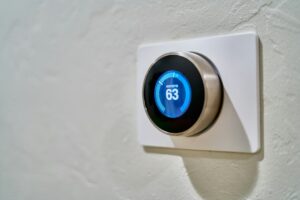
This is where confusion around smart vents often arises. Smart vents attempt to redirect airflow room by room, but they do not replace the need for proper make-up air when using a powerful kitchen exhaust.
Make-up air systems
Many building codes now require a dedicated make-up air system when a range hood exceeds 400 CFM. These systems:
- Introduce controlled outdoor air
- Maintain pressure balance
- Protect HVAC equipment and indoor air quality
For vent hood HVAC kitchens, coordinated design between the hood, ducting, and HVAC system is critical.
Are Smart Vents Worth It in Kitchens?
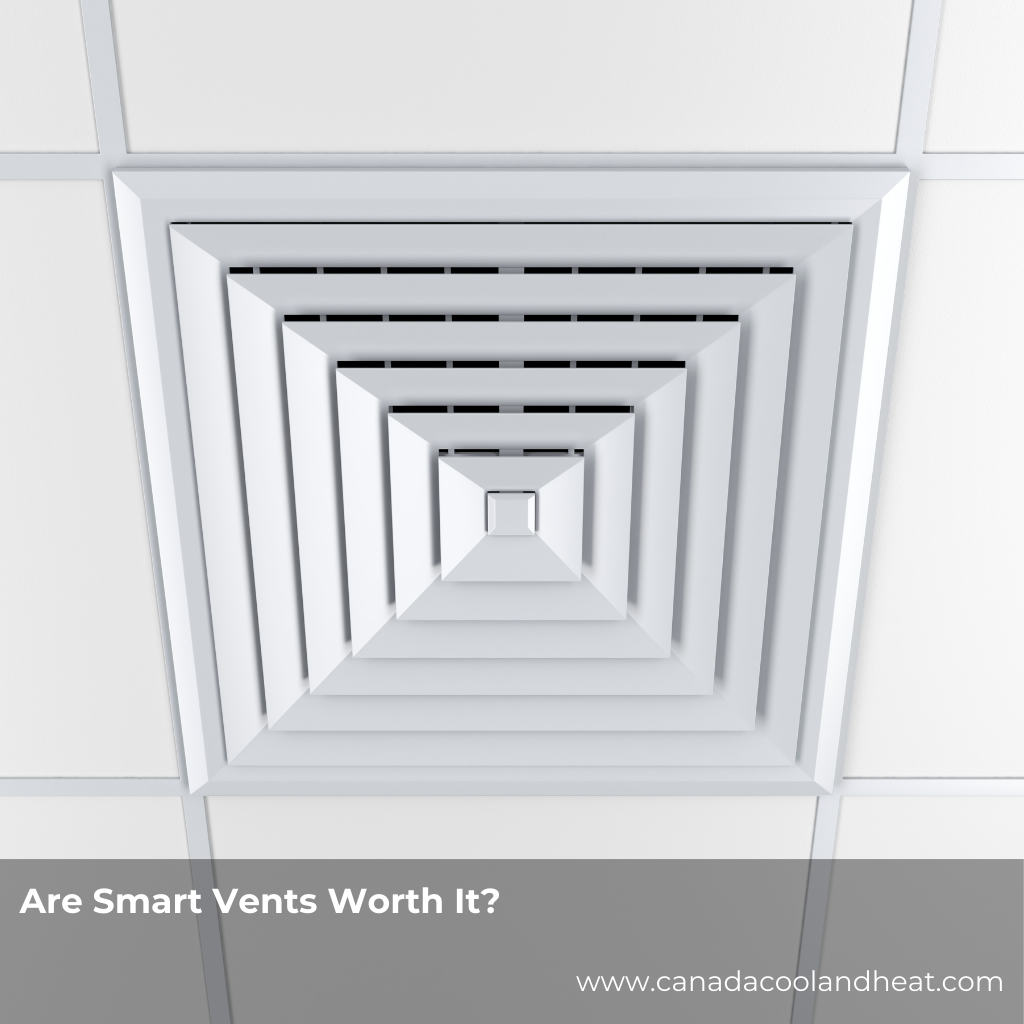
Smart vents are motorized registers that open or close based on temperature or occupancy. While they can help fine-tune comfort, they are not a ventilation solution for cooking.
Pros of smart vents
- Improve room-level comfort
- Potential energy savings in large homes
- Better airflow control for unused spaces
Limitations in kitchen ventilation
- Do not exhaust pollutants
- Can disrupt HVAC static pressure if overused
- Cannot compensate for missing make-up air
Bottom line: Smart vents may complement an HVAC system, but proper range hood design and balanced airflow matter far more for kitchen air quality.
Range Hood Sizing Guidelines
Choosing the right hood size and power is essential for effective ventilation without overloading your HVAC system.
Hood width and coverage
- Hood should be at least as wide as the cooking surface
- Ideally 3 inches wider on each side for better capture
CFM sizing basics
General guidelines:
- Electric cooktops: 100 CFM per linear foot of cooktop
- Gas cooktops: 100–150 CFM per 10,000 BTUs
Example:
- A 30-inch gas range with 50,000 BTUs typically needs 500–750 CFM
Hood mounting height
- Electric ranges: 20–24 inches above cooktop
- Gas ranges: 24–30 inches above cooktop
Higher mounting requires higher CFM to maintain capture efficiency.
Ducting and Installation Best Practices
Even the best hood underperforms with poor duct design.
Key ducting tips
- Use smooth, rigid metal ducts
- Keep duct runs short and straight
- Minimize elbows (each elbow reduces airflow)
- Vent outdoors, never into attics or crawlspaces
Proper duct sizing ensures the hood delivers its rated performance without excess noise or pressure loss.
Energy Efficiency and Noise Considerations
High-powered hoods don’t have to be disruptive.
- Variable-speed controls allow lower airflow for light cooking
- External or in-line blowers reduce kitchen noise
- Balanced make-up air improves overall HVAC efficiency
These features are often more impactful than adding smart vents.
Conclusion
So, are smart vents worth it? They can enhance comfort in certain situations, but they are not a substitute for proper kitchen ventilation. For vent hood HVAC kitchens, the real priorities are correct hood sizing, effective ducting, and maintaining HVAC balance with make-up air when needed. Investing in a well-designed range hood system will protect indoor air quality, improve comfort, and support long-term HVAC performance.
Call to action: If you’re planning a kitchen upgrade or concerned about air quality, consult an HVAC professional to evaluate ventilation and balance—not just smart add-ons.
FAQ
1. Do all kitchens need a range hood?
Yes, especially kitchens with gas cooking. Range hoods remove pollutants that HVAC systems are not designed to handle at the source.
2. Is a ductless range hood effective?
Ductless hoods filter grease and odors but do not remove moisture or combustion gases. Ducted systems are far superior.
3. When is make-up air required?
Typically when a range hood exceeds 400 CFM, depending on local codes and home tightness.
4. Can smart vents replace make-up air systems?
No. Smart vents manage airflow distribution, not pressure balance or fresh air intake.
5. What happens if my hood is oversized?
Oversized hoods can cause negative pressure, noise issues, and energy loss without proper make-up air.
6. How often should range hood filters be cleaned?
Every 1–3 months for metal filters; replace charcoal filters per manufacturer guidelines.