Can Plants Really Improve Kitchen Air Quality?
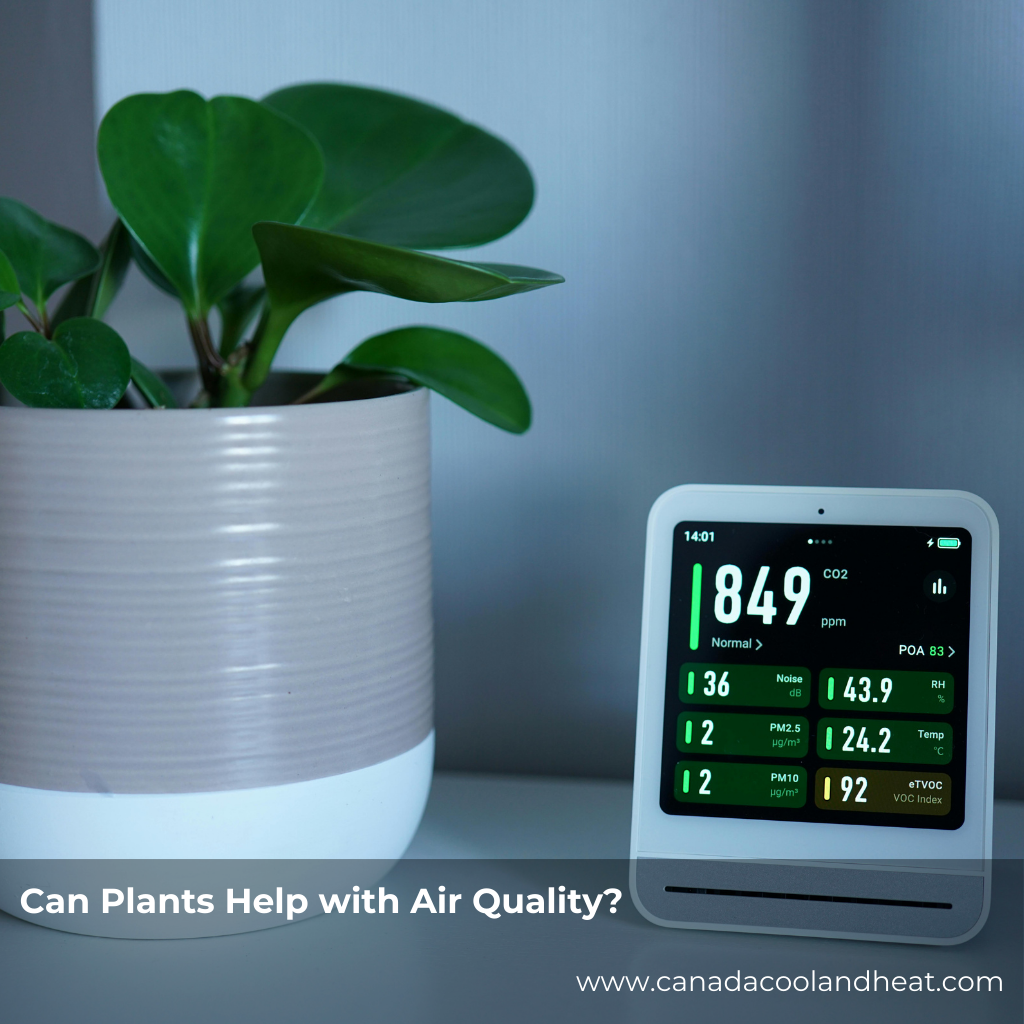
Plants can provide minor benefits, such as psychological comfort and minimal VOC absorption. However, their impact on kitchen air quality is extremely limited.
What plants can do:
-
Slightly increase humidity
-
Absorb very small amounts of VOCs
-
Improve perceived air freshness
What plants cannot do:
-
Remove grease particles
-
Capture smoke or odors at the source
-
Exhaust carbon monoxide or nitrogen dioxide
-
Control moisture from boiling and frying
In kitchens, source capture ventilation is essential. This is why vent hoods—not plants—are the primary solution for maintaining safe and healthy air during cooking.
Why Proper Ventilation Matters in Kitchens
Cooking releases a complex mixture of pollutants that can quickly degrade indoor air quality. Without adequate ventilation, these pollutants spread throughout the home and strain your HVAC system.
Common Cooking Pollutants
-
Grease aerosols that coat surfaces and ductwork
-
Particulate matter (PM2.5) linked to respiratory issues
-
Carbon monoxide (CO) from gas appliances
-
Excess humidity that promotes mold growth
-
Odors that linger in soft furnishings
A properly designed vent hood captures these pollutants at the source and exhausts them outside before they can circulate through the home.
How Range Hoods Affect HVAC Balance
One of the most overlooked aspects of vent hood HVAC kitchens design is its impact on overall HVAC system balance. High-powered range hoods move a significant volume of air, which must be replaced somehow.
The Concept of Air Balance
When a vent hood exhausts air, it creates negative pressure inside the home. If makeup air is not provided, this pressure imbalance can cause:
-
Backdrafting of fireplaces or water heaters
-
Reduced HVAC efficiency
-
Uncomfortable drafts
-
Difficulty opening doors
-
Increased energy costs
Makeup Air Systems
In many jurisdictions, building codes require a makeup air system when a range hood exceeds a certain airflow threshold (commonly 400 CFM).
Makeup air systems:
-
Replace exhausted air with filtered outdoor air
-
Help maintain neutral air pressure
-
Protect HVAC performance
-
Improve overall comfort
Integrating the range hood with the HVAC system ensures smooth operation without unintended side effects.
Ducted vs. Ductless Range Hoods
Choosing the right type of range hood is critical for effective ventilation.
Ducted Range Hoods (Recommended)
-
Vent air outside the home
-
Remove heat, moisture, grease, and pollutants
-
Best option for serious cooking and gas ranges
Ductless (Recirculating) Hoods
-
Filter air and return it to the kitchen
-
Do not remove moisture or combustion gases
-
Less effective for indoor air quality
For optimal vent hood HVAC kitchens performance, ducted systems are strongly recommended whenever possible.
Range Hood Sizing Guidelines
Proper sizing ensures that your vent hood captures pollutants efficiently without overloading your HVAC system.
Step 1: Match Hood Width to Cooktop
-
Hood should be at least as wide as the cooktop
-
Ideally 3–6 inches wider for better capture
Step 2: Calculate Required CFM
Electric Cooktops:
-
Minimum: 100 CFM per linear foot of cooktop
Gas Cooktops:
-
100 CFM per 10,000 BTUs of total burner output
Example:
A gas range with 60,000 BTUs
→ 600 CFM recommended
Step 3: Consider Cooking Style
Increase CFM if you:
-
Fry frequently
-
Use high-BTU burners
-
Cook with woks or griddles
-
Have high ceilings
Installation Height and Duct Design
Even a properly sized hood can underperform if installed incorrectly.
Best practices include:
-
Mounting height:
-
20–24 inches above electric cooktops
-
24–30 inches above gas cooktops
-
-
Use smooth, rigid ducting
-
Minimize duct length and turns
-
Vent directly outdoors (never into attics)
Proper duct design reduces resistance and improves airflow efficiency.
The Role of HVAC Professionals
Because vent hoods directly affect pressure balance, energy use, and comfort, coordination with an HVAC professional is essential—especially for high-CFM systems.
An HVAC expert can:
-
Assess makeup air requirements
-
Integrate controls with existing HVAC systems
-
Ensure code compliance
-
Optimize energy efficiency
This holistic approach is key to successful vent hood HVAC kitchens design.
Conclusion
While plants may add beauty to your kitchen, they are no substitute for proper ventilation. Effective cooking ventilation protects indoor air quality, supports HVAC performance, and creates a healthier living environment. By selecting the right range hood, sizing it correctly, and considering HVAC balance and makeup air, homeowners can significantly reduce cooking-related pollutants.
If you’re planning a kitchen upgrade or experiencing air quality issues, consult an HVAC professional to ensure your ventilation system works in harmony with your home.
Frequently Asked Questions (FAQ)
1. Are plants enough to clean kitchen air?
No. Plants cannot remove grease, smoke, or combustion gases produced during cooking.
2. What CFM range hood do I need?
It depends on cooktop type, size, and BTU output. Gas ranges typically require higher CFM.
3. When is makeup air required?
Often when a range hood exceeds 400 CFM, though requirements vary by local code.
4. Can a range hood affect my HVAC system?
Yes. High airflow can create negative pressure and reduce HVAC efficiency if not balanced.
5. Is ductless ventilation ever acceptable?
Only for light cooking. Ducted systems are far superior for air quality.
6. Does hood size matter more than power?
Both matter. Proper capture area and sufficient airflow are equally important.
7. Can I install a range hood myself?
Basic installations are possible, but HVAC coordination is recommended for high-CFM units.
8. How often should filters be cleaned?
Metal filters should be cleaned monthly; charcoal filters replaced as recommended.