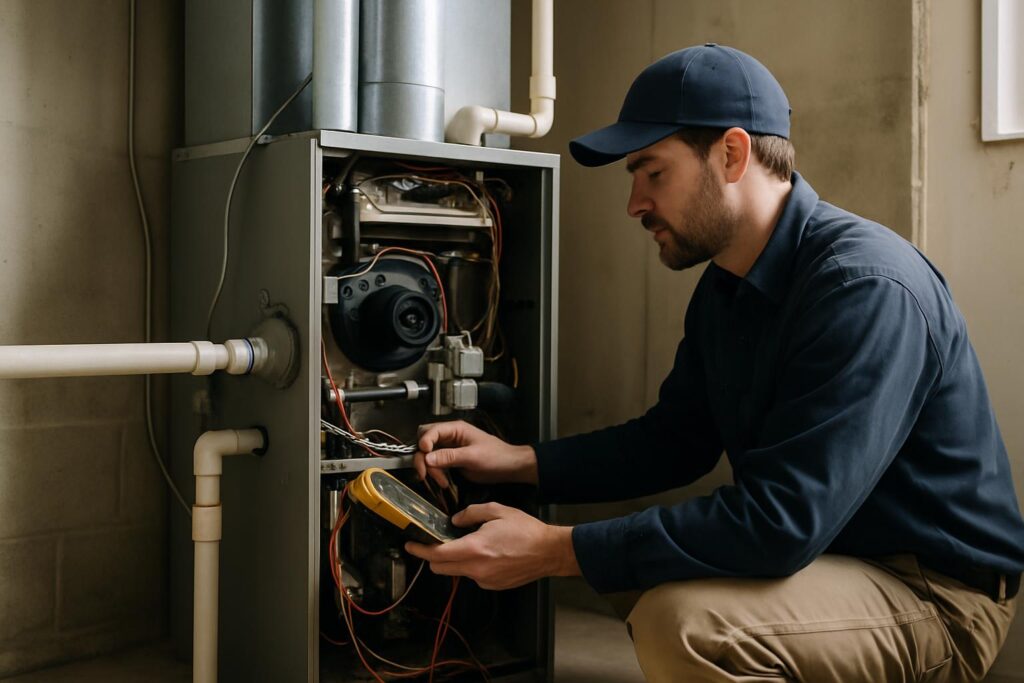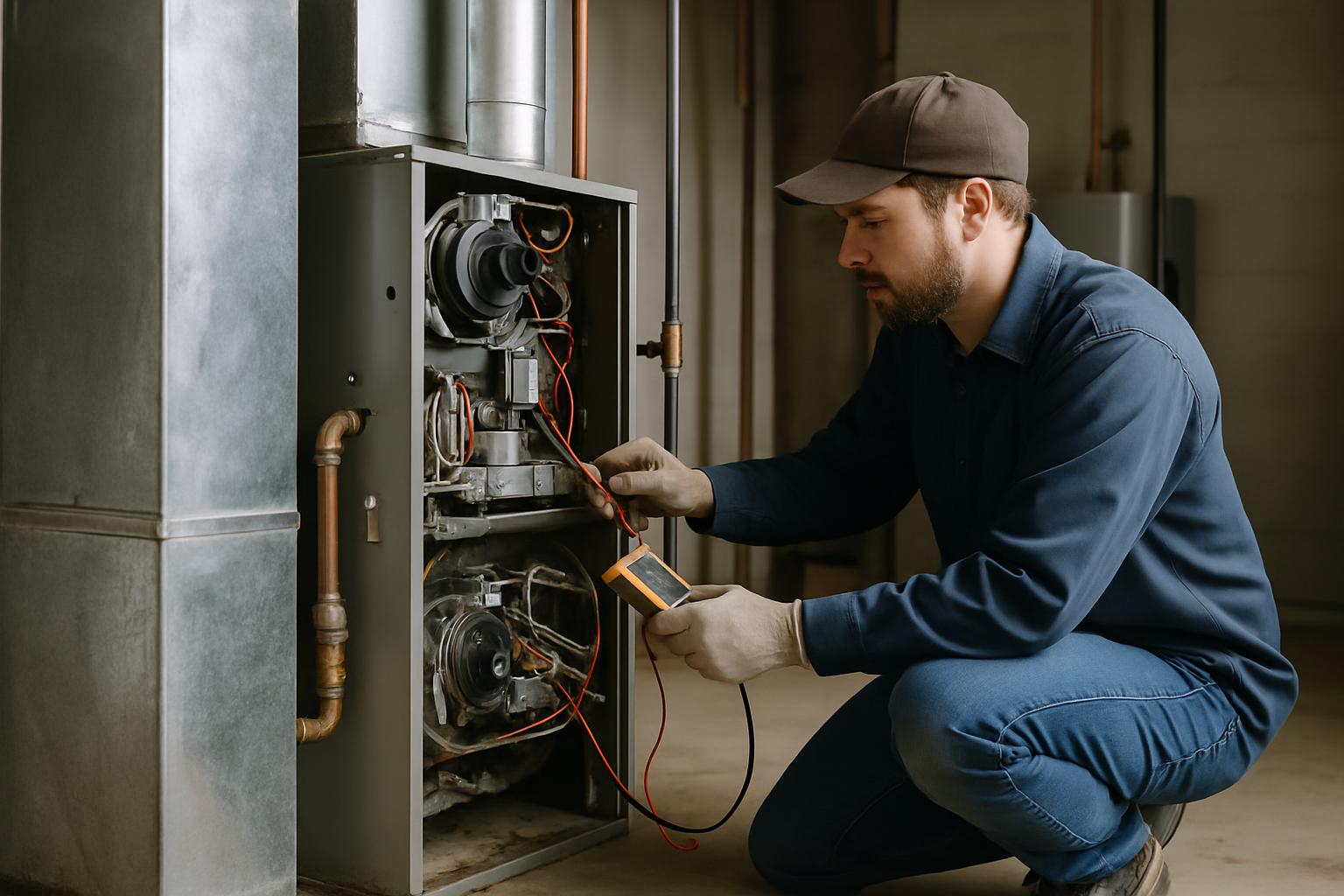
If your furnace isn’t working properly, start by checking the thermostat settings and ensuring the power is on. Many common furnace problems have simple fixes, like a dirty filter or tripped breaker. Before calling a professional, use this guide to diagnose and potentially resolve the issue yourself.
Check the Thermostat
Ensure the thermostat is set to heat and the temperature is higher than the current room temperature. Replace the batteries if it’s not hardwired, and consider upgrading your thermostat if it’s outdated.
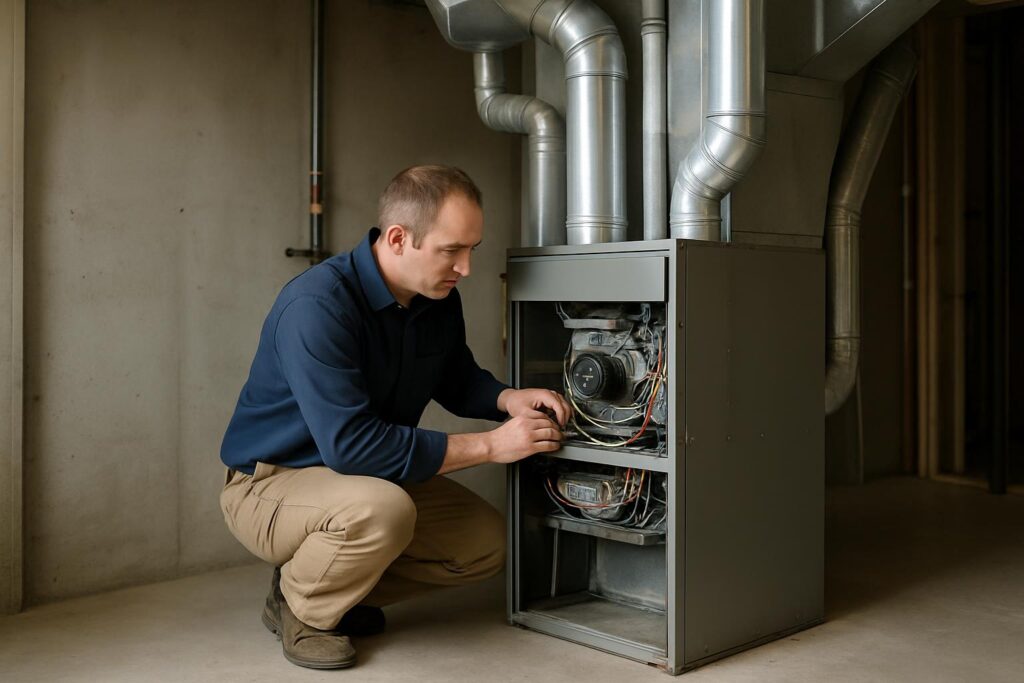
Inspect the Furnace Filter
A dirty filter restricts airflow, causing the furnace to overheat and shut down. Check the filter monthly and replace it if it’s clogged or dirty. This simple step can prevent many issues.
Check Power and Gas Supply
Make sure the furnace switch is on and the circuit breaker hasn’t tripped. If your furnace uses gas, verify that the gas valve is open and the supply is active. Never attempt to fix gas issues yourself; call a professional if you suspect a problem.
Reset the Furnace
Sometimes a furnace needs a reset to correct minor issues. Locate the reset button, usually near the motor housing, and press it. If your furnace frequently needs resetting, it’s time to call a technician.
Regular maintenance and simple checks can solve many furnace problems without the need for a professional.
Examine the Pilot Light or Ignition System
For older furnaces with a pilot light, ensure it’s lit. If it’s out, follow the manufacturer’s instructions to relight it. Modern furnaces have electronic ignition systems, which may need professional attention if faulty.
Look for Obstructions
Ensure that vents and intakes aren’t blocked by furniture or debris. Blocked vents restrict airflow and cause efficiency issues.
Simple troubleshooting can resolve many common furnace problems. However, if these steps don’t work, contact a professional to avoid further damage. Find local contractors at the HVAC directory to get the help you need.