
Converting a Garage into a Livable Space: HVAC Considerations

1. Insulation: The Foundation of HVAC Efficiency Before installing any heating or cooling system, proper insulation is crucial. Garages are typically not insulated as thoroughly as the rest of the house, so adding insulation will help maintain indoor temperatures and improve energy efficiency. Key Insulation Areas: Walls: Use fiberglass batts, spray foam, or rigid foam […]
How to Evaluate the ROI of an HVAC Upgrade

How to Calculate the ROI of an HVAC Upgrade Determining the ROI of an HVAC upgrade involves a few key calculations. The basic formula for ROI is: ROI (%) = [(Total Savings – Initial Investment) / Initial Investment] × 100 To break this down: Determine Initial Investment – This includes the cost of the new […]
Transitioning from Oil Heating to Natural Gas: Steps and Costs

Why Switch from Oil to Gas Heating? Converting from oil to natural gas heating offers several advantages: Lower Heating Costs – Natural gas is typically more affordable than heating oil. Energy Efficiency – Modern gas furnaces have higher efficiency ratings. Environmental Benefits – Natural gas produces fewer greenhouse gas emissions than oil. Increased Home Value […]
HVAC Financing Options in Canada: A Comprehensive Guide
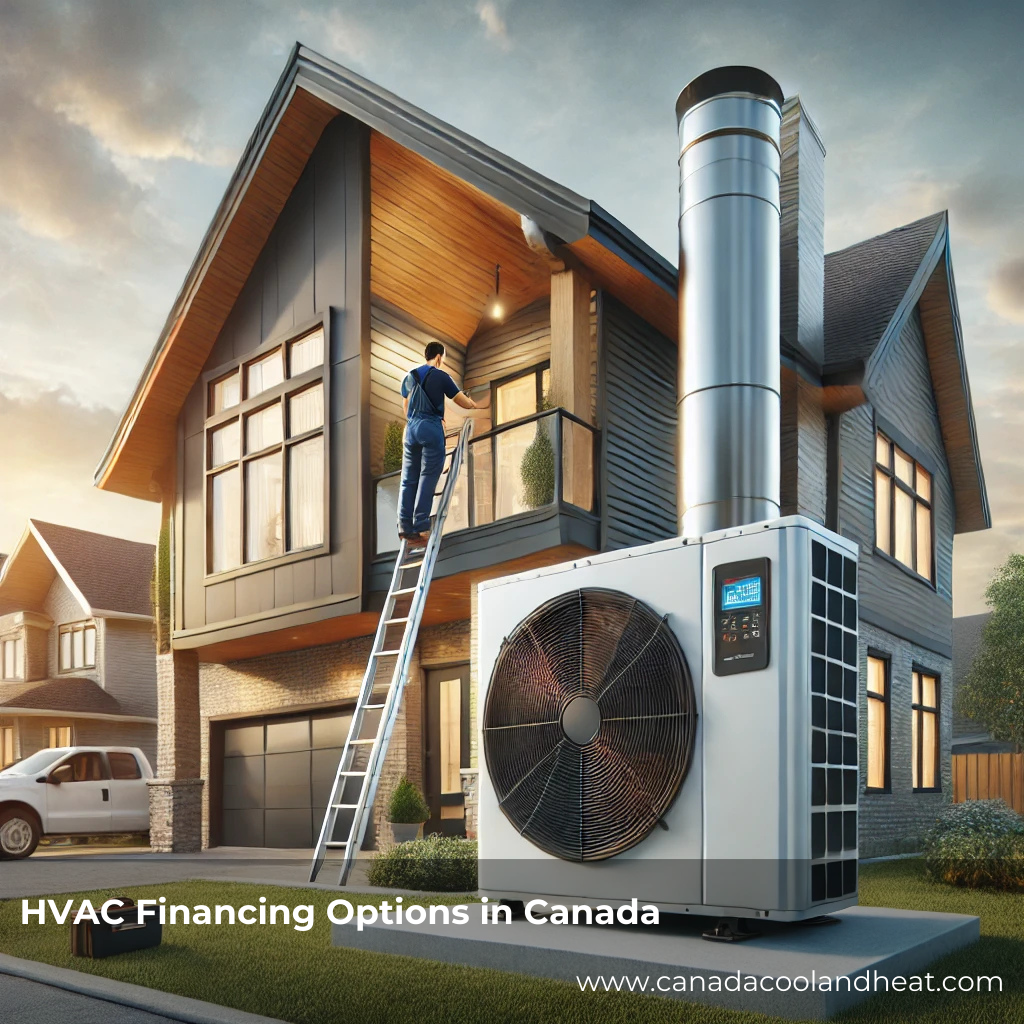
1. Understanding HVAC Financing in Canada HVAC financing helps homeowners spread the cost of purchasing and installing an HVAC system over time. Whether replacing an old furnace, installing a new air conditioner, or upgrading to an energy-efficient heat pump, financing ensures affordability without large upfront payments. 2. Common HVAC Financing Options in Canada a) Personal […]
Sustainable HVAC Upgrades: From Solar to Geothermal

1. Solar-Powered HVAC Systems How They Work Solar-powered HVAC systems harness solar energy to generate electricity for heating and cooling. These systems use photovoltaic (PV) panels to convert sunlight into electricity, which then powers HVAC components such as heat pumps and air conditioners. Cost & Savings Initial Investment: $10,000 – $30,000 (including installation) Potential Savings: […]
Evaporative Coolers in Canadian Climates: Pros and Cons

How Do Evaporative Coolers Work? Unlike conventional air conditioners, which use refrigerants and compressors, evaporative coolers function by pulling warm air through water-soaked pads. As the air passes through, the water evaporates, absorbing heat and lowering the air temperature before it is distributed into the living space. Key Components of an Evaporative Cooler: Water Reservoir […]
Creating a Maintenance Budget for Your HVAC System

Why Budgeting for HVAC Maintenance Matters Planning your HVAC maintenance budget helps prevent costly breakdowns, ensures optimal energy efficiency, and provides peace of mind. Without a set budget, unexpected repair costs could disrupt your finances. Regular upkeep keeps your HVAC system in peak condition and helps avoid expensive emergency repairs. Planning Annual and Seasonal […]
Understanding MERV Ratings for HVAC Filters

What is a MERV Rating? MERV stands for Minimum Efficiency Reporting Value. This rating system, developed by the American Society of Heating, Refrigerating, and Air-Conditioning Engineers (ASHRAE), measures an air filter’s ability to trap airborne particles of various sizes. MERV ratings range from 1 to 20, with higher numbers indicating better filtration efficiency. MERV Rating […]
Choosing an HVAC Contractor: Red Flags to Watch Out For

Red Flags to Watch Out For When Choosing an HVAC Contractor 1. Unlicensed or Uninsured Contractors A legitimate HVAC contractor should be fully licensed and insured. In Canada, HVAC contractors must meet provincial licensing requirements. If a contractor is unable to provide proof of licensing or insurance, this is a major red flag. Hiring an […]
How to Achieve Balanced Airflow in Multi-Story Homes

Why Do Airflow Imbalances Occur in Multi-Story Homes? Airflow imbalances in multi-story homes typically arise due to several factors: 1. Natural Heat Rising Effect Warm air naturally rises, causing the upper floors to be hotter in the summer and cooler in the winter. 2. HVAC System Design Limitations A single HVAC system may struggle to […]