
Why Proper Kitchen Ventilation Matters
Cooking generates more than just delicious smells. It produces:
-
Moisture, which can lead to mold and humidity issues
-
Heat, adding stress to your cooling system
-
Smoke, grease, and airborne particles that settle on surfaces and in ductwork
Without a good range hood, your HVAC system ends up working overtime to remove these pollutants. Over time, this imbalance can increase energy bills and reduce indoor air quality.
Think of a vent hood as your kitchen’s first line of defense. It captures contaminants at the source before they spread through your home.
How Range Hoods Affect HVAC Balance
Your home’s HVAC system is designed to keep a balanced airflow—equal amounts of air coming in and going out. When you turn on a powerful vent hood, it removes large volumes of air from your kitchen.
Here’s the catch:
-
If the hood is too strong, it can create negative air pressure. This means your HVAC has to pull in outdoor air from unwanted gaps, leading to drafts and reduced energy efficiency.
-
If the hood is too weak, it won’t capture enough contaminants, causing heat and moisture to circulate into your HVAC ducts.
The key is finding the right balance between airflow power and your home’s ventilation design.
Sizing Guidelines for Kitchen Vent Hoods
Choosing the right size for your vent hood is crucial for both performance and HVAC harmony. Here’s a quick guide:
1. Width of the Hood
-
Match the hood width to your cooking surface.
-
Ideally, the hood should be as wide as the cooktop or slightly wider for better coverage.
2. CFM (Cubic Feet per Minute)
This measures how much air the hood moves per minute.
-
For electric cooktops, aim for 100 CFM for every 10 inches of cooktop width.
-
For gas stoves, calculate 1 CFM for every 100 BTUs of burner output.
3. Mounting Height
-
Install the hood 24–30 inches above the cooktop for optimal performance.
4. Make-Up Air Systems
If your hood is 400 CFM or higher, many building codes require a make-up air system. This replaces the air being exhausted, preventing negative pressure and protecting your HVAC balance.
Energy-Saving Tips for Budget-Friendly Homes
For homeowners on a budget, you don’t need the most powerful hood on the market. Instead:
-
Choose an efficient, appropriately sized hood rather than oversizing.
-
Use ducted hoods whenever possible, as ductless models recirculate air and strain HVAC filters.
-
Turn the hood on early while cooking to minimize lingering odors and reduce run-time.
-
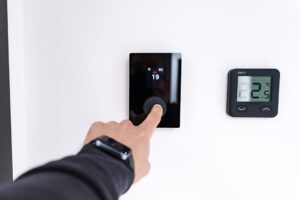
Pair with a smart thermostat to optimize HVAC energy use while maintaining comfort.
Conclusion
Proper kitchen ventilation is more than just an upgrade—it’s a key factor in maintaining indoor air quality, protecting your HVAC system, and keeping your home energy-efficient. By choosing the right vent hood size, understanding airflow balance, and considering make-up air systems, you can cook freely without worrying about hidden costs to your comfort and budget.
Ready to improve your kitchen ventilation? Consult an HVAC professional to find the perfect balance for your home!
FAQs
1. Do I really need a range hood if I have a good HVAC system?
Yes. HVAC systems are designed for whole-home comfort, not localized pollutant removal. A hood captures smoke, grease, and heat at the source before it spreads.
2. How do I know if my hood is creating negative pressure?
You may feel drafts around doors or windows, or notice your HVAC system running more frequently. A professional can test your home’s pressure balance.
3. What’s better: ducted or ductless hoods?
Ducted hoods are more effective because they expel air outside. Ductless hoods filter and recirculate air, which can still affect indoor air quality.
4. How often should I clean my vent hood filters?
For heavy cooking, clean filters monthly. For light cooking, every 2–3 months is fine.
5. Can a vent hood help reduce humidity in my home?
Yes! By removing steam and moisture from cooking, it helps maintain a balanced indoor humidity level, which benefits your HVAC system.
6. Is a high-CFM hood always better?
Not necessarily. Too much airflow can disrupt your home’s HVAC balance. Always size based on your cooktop and home ventilation needs.
7. Do smart thermostats help with kitchen ventilation issues?
They can’t replace a vent hood, but they can help manage HVAC cycles more efficiently, offsetting some temperature and humidity changes caused by cooking.