Why Basement Kitchens Are Tricky to Ventilate
Basements naturally have poor airflow. Unlike upper levels, they’re partially underground and often lack large windows. When you add a stove or cooktop, you introduce heat, smoke, grease, and moisture into an already confined space. Without the right system in place, this leads to:
-
Persistent food odors that travel through the home
-
Mold and mildew from excess humidity
-
Imbalanced air pressure affecting the entire HVAC system
-
Higher energy bills from overworked fans and equipment
That’s why installing the correct vent hood HVAC kitchen solution is the cornerstone of a healthy basement cooking setup.
The Role of Range Hoods in HVAC Balance
Think of your kitchen range hood as the lungs of your basement. It draws out contaminated air, filters grease, and expels heat. But here’s the catch: a vent hood doesn’t just remove air — it changes how your whole HVAC system breathes.
When a hood is too powerful, it can:
-
Pull conditioned air out of the house too quickly
-
Create negative air pressure that draws in dust, allergens, or even fumes from other appliances
-
Cause drafts that make your basement feel uncomfortable
When it’s too weak, you end up with greasy surfaces, trapped smoke, and stagnant odors. Striking the right balance is key.
Sizing Guidelines for Basement Range Hoods
Choosing the right size vent hood isn’t just about the width of your cooktop — it’s about matching airflow to your HVAC system’s capacity. Here are some practical guidelines:
1. Width Matters
-
Your vent hood should be at least as wide as your stove.
-
Ideally, add 3 inches on each side for better capture of smoke and steam.
2. CFM (Cubic Feet per Minute) Rating
The CFM rating tells you how much air your hood can move.
-
Electric stoves: ~100 CFM for every 10 inches of cooktop width
-
Gas stoves: ~100 CFM for every 10,000 BTUs of burner output
For basement kitchens, err slightly on the higher side, since airflow is naturally restricted.
3. Ducting is Critical
-
Always vent outside, not into the basement ceiling.
-
Use short, straight ducts whenever possible — every bend reduces performance.
-
Choose smooth metal ducts over flexible ones to reduce grease buildup.
4. Make-Up Air Systems
In tight homes, local codes may require a make-up air system. This brings fresh air back into the space to replace what’s exhausted, preventing negative pressure issues.
Tips for Healthy Basement Airflow
Beyond hood sizing, here are extra steps to ensure your basement stays fresh:
-
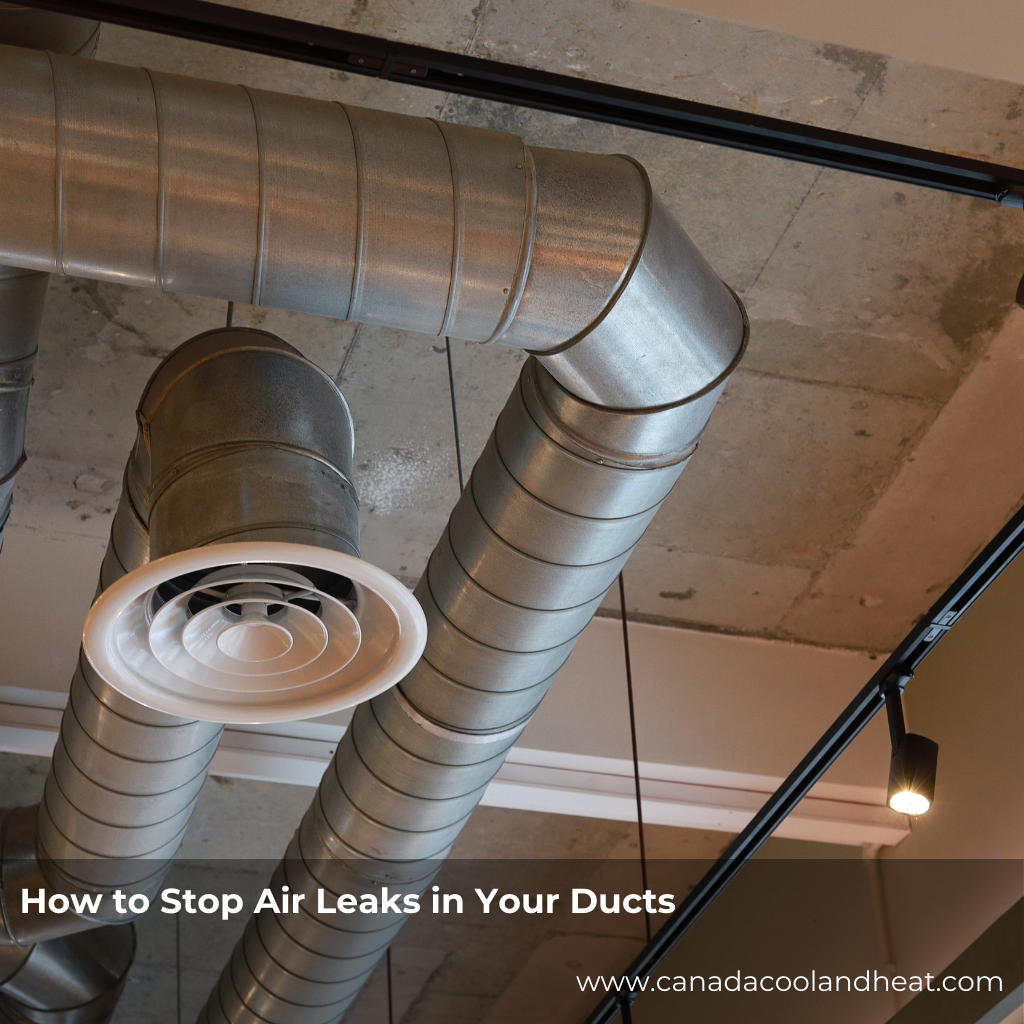
Seal leaks around ductwork so kitchen odors don’t escape into walls.
-
Pair ventilation with dehumidifiers to keep moisture levels under control.
-
Integrate with your HVAC system — some advanced range hoods can sync with home air exchangers.
-
Schedule maintenance at least once a year to clean ducts and check fan performance.
A Real-World Story: When Bigger Isn’t Better
A homeowner I worked with recently installed a massive 1,200 CFM hood in their basement kitchen. On paper, it sounded like the ultimate solution. But within weeks, the rest of the house felt drafty, their fireplace started back-drafting smoke, and the HVAC system ran non-stop.
The fix? Downsizing to a properly calculated 600 CFM unit and adding a make-up air kit. Suddenly, the basement stayed fresh, the upstairs stayed comfortable, and energy bills dropped. Moral of the story: the right size matters more than the biggest size.
Conclusion
Ventilating a basement kitchen takes more than plugging in a fan. By understanding how vent hood HVAC kitchens influence airflow and following proper sizing rules, you can keep your space fresh, safe, and comfortable.
If you’re planning a basement kitchen renovation or struggling with odors and stuffiness, consider having an HVAC professional evaluate your hood sizing and ductwork. The right setup can transform your basement from musty to inviting.
FAQs
1. Can I use a recirculating vent hood in a basement kitchen?
You can, but it’s not recommended. Recirculating hoods filter grease but don’t remove heat, smoke, or humidity — all of which are bigger issues in basements.
2. How do I know if my vent hood is too strong?
Signs include drafts around doors, back-drafting fireplaces, or your HVAC struggling to maintain temperature balance.
3. Do basement kitchens require a make-up air system?
Not always, but many building codes require it for hoods over 400 CFM. Even when not required, it’s worth considering for better air balance.
4. How often should I clean basement kitchen ductwork?
At least once a year, more often if you cook heavily. Grease buildup can restrict airflow and create fire risks.
5. What’s the quietest type of vent hood?
Remote blower hoods, where the fan is placed further down the duct line, tend to be quieter — great for basements that double as living spaces.
6. Can I vent a hood into my basement ceiling cavity?
No — this traps moisture and grease, leading to mold and structural damage. Always vent directly outdoors.
7. Does hood height matter in a basement kitchen?
Yes. Install 24–30 inches above an electric cooktop and 27–36 inches above a gas cooktop for optimal performance.