Why Closing Vents Doesn’t Save Energy
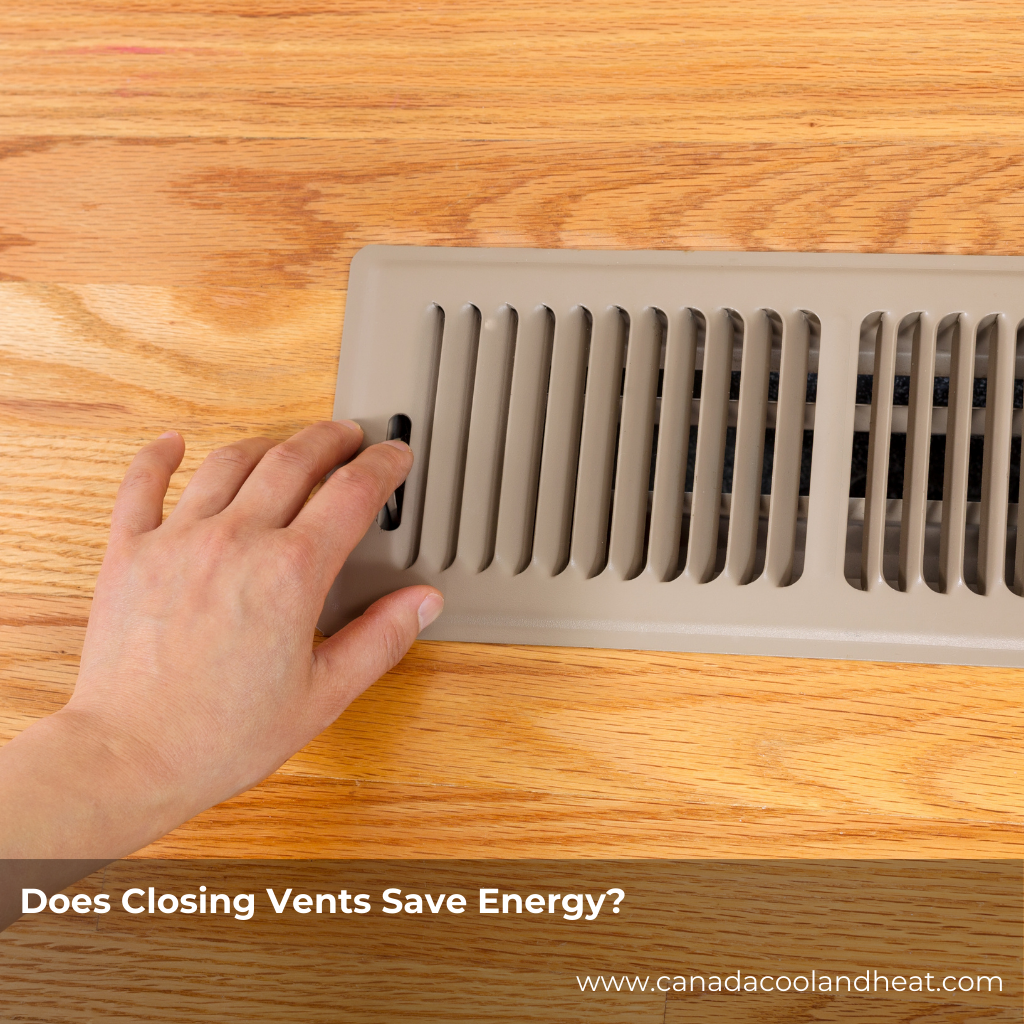
Your HVAC system is designed to move a certain amount of air through the ducts, no matter what. When you close a vent:
-
Airflow is restricted → Your blower motor still pushes the same volume of air, but with fewer outlets, pressure builds inside the ducts.
-
Strain increases → That extra pressure makes your system work harder, which can shorten its lifespan.
-
Comfort suffers → Uneven airflow often leads to hot and cold spots throughout the house.
-
Energy use may rise → Instead of saving energy, you may actually waste it because the system runs longer and less efficiently.
Think of it like blocking one hole in a flute—it doesn’t stop the air, it just changes where and how the air moves.
Proper Ventilation in Kitchens
Now, let’s bring the kitchen into focus. Cooking releases heat, moisture, grease, and smoke into the air. Without a good vent hood HVAC kitchen setup, those particles linger, settling on cabinets, walls, and even in your lungs.
A properly installed range hood:
-
Captures cooking fumes before they spread.
-
Improves indoor air quality by venting contaminants outside.
-
Helps balance indoor humidity and temperature.
-
Keeps your HVAC system from being overloaded with extra pollutants.
Closing vents in nearby rooms won’t help with kitchen odors—it may actually make them worse by reducing circulation.
How Range Hoods Impact HVAC Balance
Here’s where things get tricky: powerful range hoods don’t just exhaust fumes—they also pull conditioned air out of your house.
-
Undersized homes + oversized hoods → A hood with high cubic feet per minute (CFM) suction can create negative pressure.
-
Negative pressure effects → This can backdraft gases from furnaces or water heaters into living spaces.
-
HVAC imbalance → Your heating and cooling system now has to “make up” for lost air, which can strain performance.
In short: range hoods are essential, but they must be properly sized and balanced with your HVAC system.
Sizing Guidelines for Range Hoods
When choosing a vent hood, bigger is not always better. Here are some simple guidelines:
-
Measure your cooktop width.
-
For standard electric ranges → 100 CFM for every linear foot.
-
For gas ranges → 100–150 CFM for every 10,000 BTUs.
-
-
Account for kitchen size.
-
The hood should exchange the air in your kitchen about 15 times per hour.
-
-
Avoid oversizing.
-
A huge commercial-style hood in a small home may cause more harm than good.
-
-
Consider makeup air.
-
Many building codes now require makeup air systems for hoods over 400 CFM. These systems introduce fresh air back into your home to balance the exhaust.
-
Key Takeaways for Homeowners
-
Closing vents does not save energy—it can damage your HVAC system.
-
Kitchens need proper ventilation to remove contaminants effectively.
-
Range hoods should be sized to your stove and kitchen, not just picked for looks or power.
-
Balancing airflow is crucial: too much exhaust without makeup air disrupts your HVAC system.
Conclusion
So, does closing vents save energy? No—but making smart decisions about ventilation does. If you want to boost comfort and efficiency in your home, focus on proper kitchen ventilation and balanced HVAC airflow instead of closing vents.
When in doubt, consult an HVAC professional to evaluate your home’s airflow and ensure your vent hood HVAC kitchen system is the right size for your needs.
Frequently Asked Questions (FAQ)
1. Will closing vents in unused rooms reduce my energy bill?
No. Closing vents restricts airflow, increases duct pressure, and can actually make your HVAC system run longer.
2. What’s the ideal CFM for a kitchen range hood?
It depends on your stove. A typical electric cooktop may need 250–400 CFM, while a powerful gas range may require 600 CFM or more.
3. Can a range hood be too powerful?
Yes. Oversized hoods can create negative pressure, pulling dangerous gases into the home. Always size appropriately.
4. Do ductless (recirculating) range hoods affect HVAC balance?
Not as much, but they don’t vent contaminants outside. They filter grease and odors but aren’t as effective for indoor air quality.
5. Why is makeup air important?
Makeup air prevents negative pressure when high-powered hoods exhaust large volumes of air. It maintains HVAC balance.
6. Can kitchen odors travel more if vents are closed in other rooms?
Yes. Reduced circulation makes odors linger longer and spread unpredictably.
7. How often should I clean my range hood filters?
Every 1–3 months, depending on how often you cook.
8. Is a professional installation necessary for vent hoods?
For high-CFM hoods, yes. Proper ducting and makeup air integration require expertise.