Why Proper Kitchen Ventilation Matters
Picture this: You’re cooking pasta sauce, the steam fogs up your glasses, and the smell of garlic seeps into your living room. A well-sized, properly installed vent hood:
- Removes grease, smoke, and odors from the air.
- Prevents excess heat and humidity from overloading your HVAC system.
- Improves indoor air quality by reducing contaminants.
Without proper ventilation, your HVAC has to work overtime to cool or dehumidify your kitchen, which shortens its lifespan and drives up energy bills.
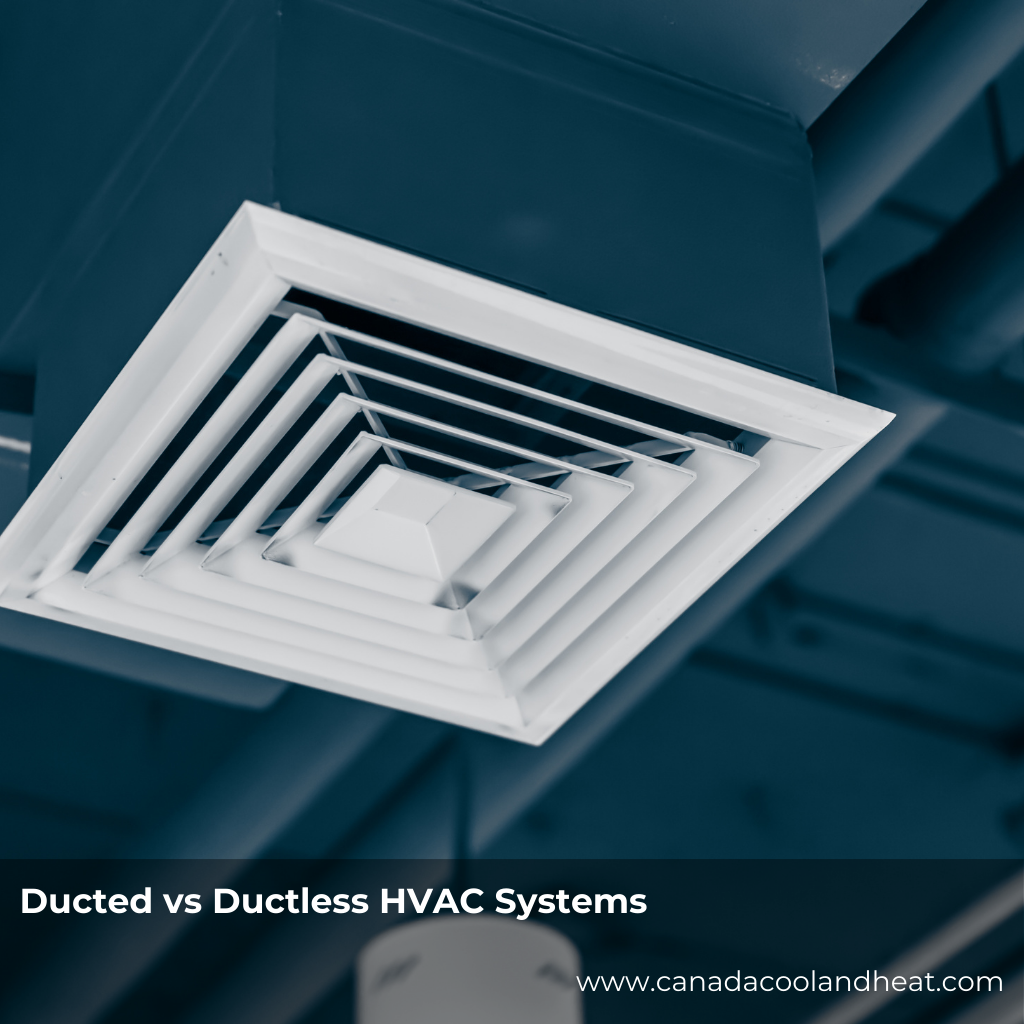
Ducted vs. Ductless Vent Hoods: What’s the Difference?
Ducted Vent Hoods
- How they work: Pull kitchen air through a filter, then push it outside through ductwork.
- Pros:
- Best at removing heat, odors, and pollutants.
- Keeps HVAC workload lower since air contaminants leave the house.
- Cons:
- Requires proper duct installation (often through walls or ceilings).
- Can create negative air pressure if not balanced with make-up air.
Ductless Vent Hoods
- How they work: Filter air through charcoal or mesh, then recirculate it back into the kitchen.
- Pros:
- Easier installation—no ductwork needed.
- More flexible for condos, apartments, or homes without external venting.
- Cons:
- Less effective at removing humidity and heat.
- Filters require frequent cleaning or replacement.
- Can add strain to HVAC since moisture stays indoors.
The HVAC Balance Puzzle
Ventilation doesn’t happen in a vacuum—it’s part of the whole house system. Here’s how vent hoods can tip the balance:
- Air Pressure Issues: A powerful ducted hood (over 400 CFM) can pull so much air out of your home that it creates negative pressure. This can cause backdrafts from fireplaces or gas appliances—potentially dangerous.
- Make-Up Air: To fix this, building codes often require make-up air systems for higher-powered hoods. These systems bring in fresh, conditioned air to balance what’s vented out.
- Impact on Comfort: Without balance, your HVAC may struggle to keep up—drafts, uneven temperatures, and higher bills can follow.
Think of it as a seesaw: if your vent hood takes air out, you need a counterweight (make-up air) to keep your home steady.
How to Size a Kitchen Vent Hood
Choosing the right hood size isn’t just about aesthetics—it’s about performance and balance. General guidelines:
- Match Hood Width to Cooktop Width: Your hood should be as wide as your cooking surface, ideally extending 3 inches on each side for gas ranges.
- CFM Rating:
- Electric cooktops: 100 CFM per 10 inches of cooktop width.
- Gas ranges: Add up the BTUs of your burners and divide by 100 for a minimum CFM.
- Cooking Style Matters: If you frequently sear, fry, or wok cook, lean toward higher CFM.
- Duct Length and Turns: Longer ducts or sharp turns reduce efficiency, meaning you may need a stronger fan.
Conclusion
In the world of vent hood HVAC kitchens, the choice between ducted and ductless systems shapes your home’s comfort, air quality, and energy use. A ducted hood often provides superior performance, but ductless models fit homes where ductwork isn’t possible. The key is finding the right balance—choosing a hood that’s properly sized and ensuring your HVAC system can handle the air exchange. With the right setup, your kitchen becomes a place where flavors linger, but odors don’t.
Ready to upgrade your kitchen ventilation? Talk to an HVAC professional about the right hood size and make-up air system for your cooking style.
FAQs
1. Do ductless hoods really work?
Yes, ductless hoods help with odors and some particles, but they don’t remove heat and moisture as effectively as ducted hoods.
2. What is make-up air, and do I need it?
Make-up air replaces the air your vent hood removes. For powerful hoods (400+ CFM), most building codes require it to maintain safety and comfort.
3. How often should I clean or replace vent hood filters?
For ductless hoods, charcoal filters should be replaced every 3–6 months, depending on usage. Metal mesh filters should be cleaned monthly.
4. Does a larger vent hood mean better performance?
Not always. Oversized hoods can waste energy. Proper sizing based on cooktop width and BTUs is more important than size alone.
5. Can a vent hood affect indoor air quality?
Absolutely. Without one, grease, smoke, and airborne particles stay inside, straining your HVAC system and lowering air quality.
6. Will a ducted hood raise my energy bills?
It can slightly, since it pulls conditioned air outside. However, balanced with make-up air, it often saves money by reducing HVAC strain.
7. Can I install a ducted hood in an older home?
Yes, but it may require creative duct routing through ceilings, walls, or attics. A professional can assess feasibility.
8. What CFM is best for a home kitchen?
Most residential kitchens perform well with 250–600 CFM, but gas-heavy cooking setups may require more.