Cooking Comfort Starts with Airflow
Picture this: You’re simmering a hearty stew, the aroma filling your kitchen. Steam swirls upward, but instead of lingering, it’s whisked away silently by a vent hood. The air stays fresh, your HVAC system hums peacefully, and you’re left with a cozy home instead of a stuffy one.
That’s the magic of proper kitchen ventilation—a detail many homeowners overlook. Whether you’re using a ductless or ducted heating system, the kitchen is a unique battleground for airflow. Let’s explore why vent hood HVAC kitchens matter, how they impact home comfort, and how to size them correctly.
Why Kitchen Ventilation Matters
Cooking releases heat, moisture, and odors—sometimes even tiny particles of grease. Without proper ventilation:
-
Your kitchen feels hotter and more humid
-
Odors cling to furniture and fabrics
-
Grease coats cabinets and walls
-
Your HVAC system works harder to rebalance indoor air
A vent hood acts like a traffic cop for your indoor air, guiding excess heat and pollutants away from living spaces. But not all vent hoods are created equal, and their relationship with your HVAC system is more important than you think.
Vent Hoods & HVAC Balance
Here’s the thing: your home’s HVAC system is designed for a certain air pressure balance. When a vent hood runs, it removes indoor air. In small or tightly sealed homes, this can create negative pressure, pulling in outdoor air through cracks, chimneys, or poorly sealed ducts.
This can lead to:
-
Backdrafting: harmful gases like carbon monoxide flowing back into the home
-
Energy loss: your HVAC must heat or cool extra air coming in
-
Uneven comfort: rooms feel drafty or humid
The solution? Make-up air systems. These introduce fresh air when the vent hood runs, keeping your HVAC balanced.
Ducted vs. Ductless Ventilation
Vent hoods come in two main styles:
✅ Ducted Vent Hoods
-
Exhaust air outside
-
Best for heavy cooking with lots of smoke or grease
-
Keep indoor air cleaner
-
More efficient but require proper ductwork installation
✅ Ductless (Recirculating) Vent Hoods
-
Filter and recirculate air back into the kitchen
-
Easier to install, good for light cooking
-
Don’t affect HVAC balance as much
-
Require regular filter maintenance
If you have a ducted HVAC system, a ducted vent hood is ideal. But for homes with ductless mini-splits, a ductless hood can prevent air balance issues.
Sizing Your Vent Hood the Right Way
Here’s a quick guide to choosing the right hood size:
-
Width: Match or exceed the width of your cooktop. For a 30-inch stove, get at least a 30-inch hood.
-
CFM Rating (Cubic Feet per Minute):
-
Electric cooktops → 100 CFM per 10″ of stove width
-
Gas cooktops → 1 CFM for every 100 BTUs of burner output
-
-
Mounting Height: Keep it 24–30 inches above the cooktop for effective capture.
-
Duct Size: Bigger is better—undersized ducts create noise and reduce airflow.
Pro Tip: If your vent hood exceeds 400 CFM, most building codes require a make-up air system.
Keeping Your HVAC & Kitchen Happy Together
Want a kitchen that smells fresh while keeping your HVAC efficient? Follow these simple tips:
-
Use your vent hood every time you cook
-
Install a make-up air kit if you have a powerful hood
-
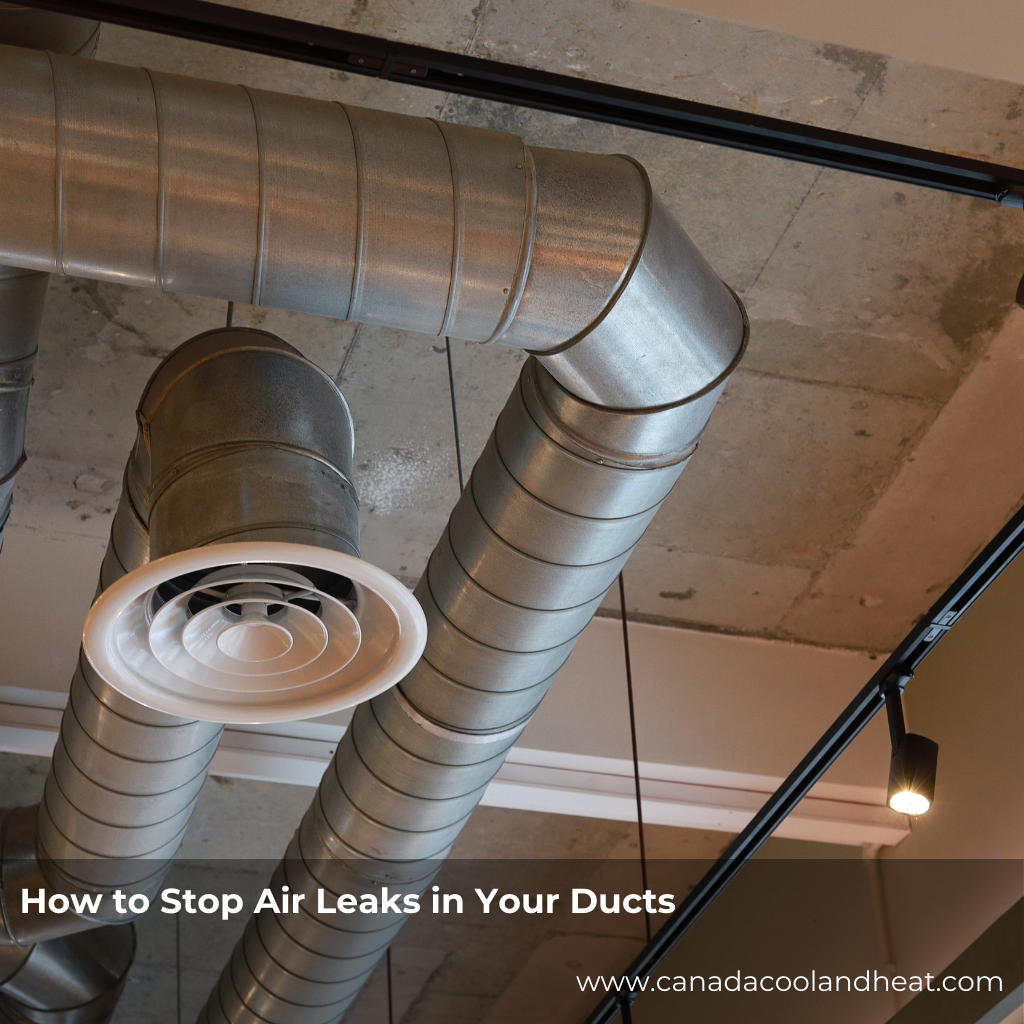
Seal leaks in your HVAC ductwork to maintain proper airflow
-
Clean filters and ducts regularly for peak performance
Think of your vent hood as part of your home’s entire air management team, working with your HVAC to keep comfort in balance.
Conclusion
Proper vent hood HVAC kitchen planning isn’t just about getting rid of cooking smells—it’s about protecting your indoor air quality, your HVAC system, and your energy bills. By choosing the right style, sizing it correctly, and balancing airflow, you’ll create a kitchen that feels as good as it smells.
So next time you’re whipping up a feast, remember: your vent hood is more than an appliance—it’s your home’s silent guardian of clean, comfortable air.
FAQs
1. Do I really need a vent hood if I don’t cook much?
Even light cooking produces moisture and odors. A vent hood helps keep your kitchen fresh and reduces wear on your HVAC.
2. Can a vent hood affect my heating or cooling bills?
Yes—especially high-powered ducted hoods. They can pull out conditioned air, making your HVAC work harder unless you add make-up air.
3. What’s better: ductless or ducted vent hoods?
Ducted is better for heavy cooking and odor removal. Ductless is easier to install and works fine for light cooking.
4. How often should I clean vent hood filters?
Every 1–3 months, depending on how much you cook. Grease buildup reduces airflow efficiency.
5. Is make-up air really necessary?
If your hood is over 400 CFM, yes. It prevents negative pressure that can cause backdrafting and HVAC imbalance.
6. Can I install a vent hood myself?
You can for ductless models. For ducted systems, it’s best to hire a pro to ensure proper airflow and sealing.
7. Does kitchen ventilation help indoor air quality?
Absolutely. It reduces moisture, grease, smoke, and even allergens that would otherwise circulate through your HVAC.