Introduction: Why Kitchen Ventilation Matters
Imagine you’ve just finished cooking a sizzling stir-fry. The aroma is tempting, but so are the plumes of steam, grease, and smoke drifting through the kitchen. Without proper ventilation, that “delicious” smell lingers long after dinner—sometimes settling into furniture, carpets, or even bedrooms. This is where vent hood HVAC kitchens come into play. A well-designed ventilation system doesn’t just clear the air; it helps maintain your home’s overall HVAC balance, making your space more comfortable and healthier.
In this article, we’ll explore how range hoods impact indoor air quality, why balancing them with your HVAC system matters, and the key guidelines for sizing them properly.
The Role of Vent Hoods in Kitchens
Vent hoods—often called range hoods or exhaust hoods—do more than just capture cooking odors. They:
-
Remove heat, smoke, and airborne grease before it spreads.
-
Improve indoor air quality (IAQ) by venting out pollutants.
-
Prevent excess moisture that can cause mold or mildew.
-
Reduce strain on your central HVAC system.
Think of the vent hood as the kitchen’s first line of defense, working hand-in-hand with your home’s heating, cooling, and ventilation systems.
How Range Hoods Affect HVAC Balance
Here’s where things get interesting: your vent hood doesn’t just “suck air out of the kitchen.” It creates a pressure shift inside the house.
-
Air Out, Air In: When air is pulled out, your home needs to replace it. If makeup air isn’t provided, your HVAC system may pull air from unwanted places (like attics, crawlspaces, or even chimneys).
-
Energy Efficiency: Without balance, your HVAC might work harder to heat or cool replacement air, raising energy bills.
-
Comfort & Safety: Negative pressure from oversized hoods can cause drafts, poor airflow in other rooms, or even back-drafting from gas appliances.
A properly balanced vent hood HVAC kitchen setup ensures that the air leaving the kitchen is matched with fresh, conditioned air coming in.
Sizing Guidelines for Range Hoods
One of the most common mistakes homeowners make is choosing the wrong size hood. Too small, and it won’t capture cooking fumes. Too large, and it may disrupt your HVAC system.
General Sizing Rules
-
Width: Your range hood should be at least as wide as your cooktop (ideally extending 3 inches beyond on each side).
-
CFM Rating (Cubic Feet per Minute):
-
For electric ranges: 100 CFM per linear foot of cooktop.
-
For gas ranges: 100 CFM for every 10,000 BTUs.
-
-
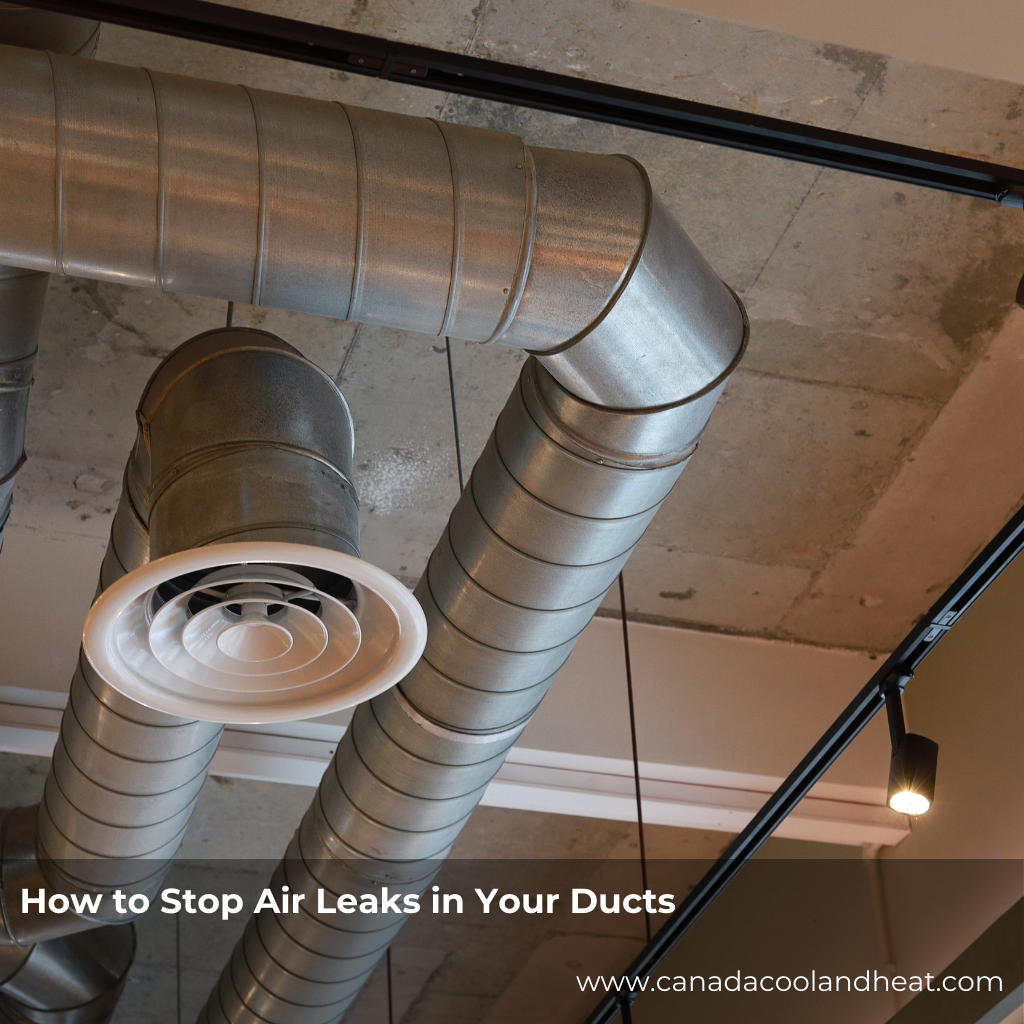
Ductwork: Keep duct runs short and straight. Avoid sharp bends to maintain airflow efficiency.
Example:
If you have a 30-inch gas range that produces 50,000 BTUs, you’ll need a hood rated for at least 500 CFM.
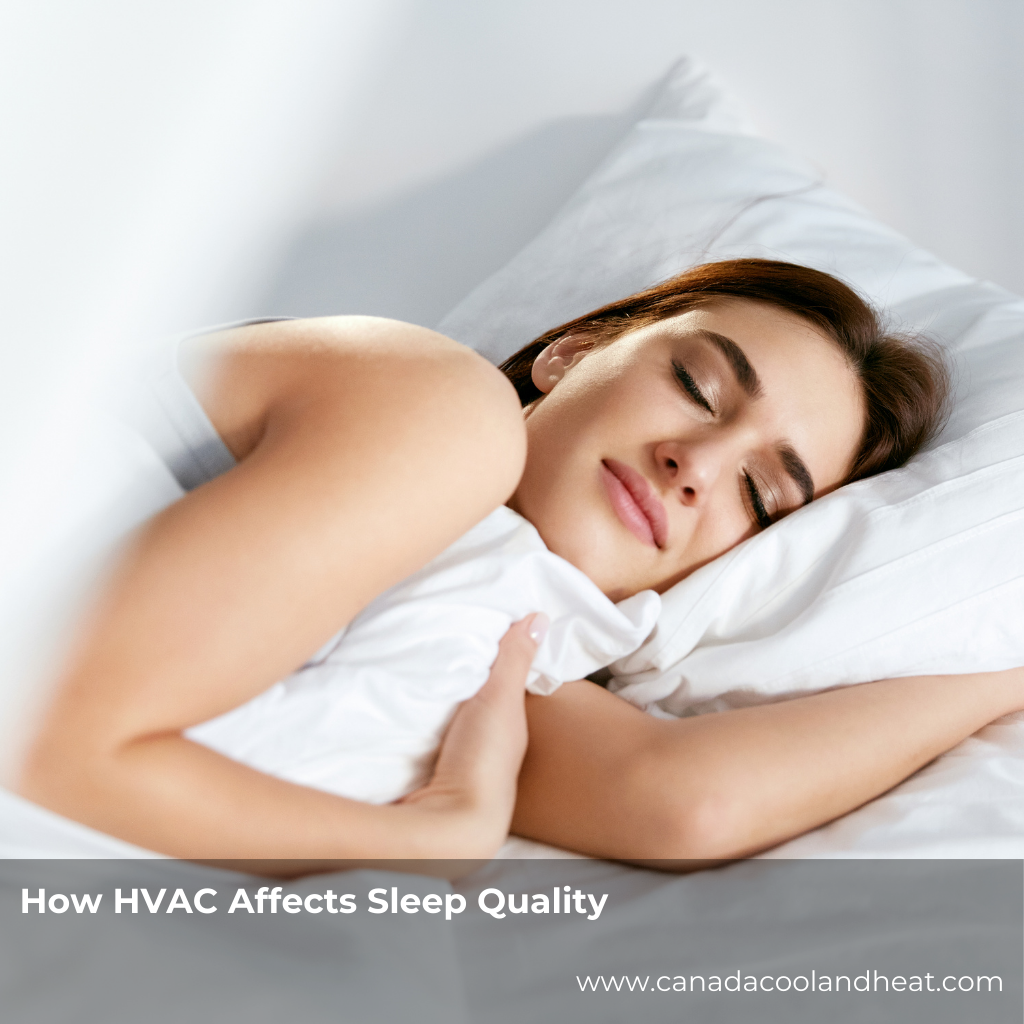
The Connection Between Kitchens and Sleep Quality
You might be wondering—what does kitchen ventilation have to do with sleep? The answer lies in air quality and comfort.
-
Poorly ventilated cooking fumes can spread into bedrooms, disrupting relaxation.
-
Imbalanced HVAC systems may cause uneven temperatures, making it harder to sleep comfortably.
-
Excess humidity from cooking can create stuffy air, which also affects sleep quality.
In short, a well-sized vent hood doesn’t just keep your kitchen fresh—it contributes to a healthier, more restful home environment.
Pro Tips for Healthy Kitchen Ventilation
-
Use Makeup Air: For hoods over 400 CFM, install a makeup air system to keep your HVAC balanced.
-
Run the Fan Early: Turn on the vent hood before you start cooking to get airflow moving.
-
Clean Filters Regularly: Grease build-up reduces efficiency and creates fire risks.
-
Check Seals & Ducts: Ensure no leaks in ductwork that could reduce airflow.
Conclusion: A Breath of Fresh Air
Your kitchen vent hood isn’t just an accessory—it’s a vital part of your home’s HVAC system. When properly sized and balanced, it helps control air quality, supports energy efficiency, and even contributes to better sleep by keeping your home’s environment comfortable and fresh.
If you’re planning a new installation or upgrade, consult with an HVAC professional to ensure your system is designed for both efficiency and comfort. After all, breathing easier in the kitchen means resting easier at night.
FAQs: Vent Hood HVAC Kitchens
1. What happens if my vent hood is too powerful?
It can create negative pressure, pulling in unconditioned air and disrupting your HVAC balance.
2. Do all range hoods need makeup air?
Not always. But for hoods over 400 CFM, building codes often require makeup air systems.
3. Can I recirculate air instead of venting outside?
Recirculating hoods filter grease and odors but don’t remove moisture or heat. External venting is always better.
4. How often should I clean vent hood filters?
At least once a month if you cook frequently. Stainless steel baffle filters are dishwasher-safe.
5. Does a vent hood save energy?
Indirectly, yes. By removing excess heat and moisture, it reduces strain on your HVAC system.
6. Can a vent hood reduce allergies?
Yes—by venting cooking pollutants and allergens, it contributes to better indoor air quality.
7. How quiet should a good vent hood be?
Look for models under 6 sones (about the volume of normal conversation).
8. Is professional installation necessary?
Highly recommended, especially for hoods over 400 CFM that require ductwork and makeup air integration.