The Role of Proper Ventilation in Cooking
A kitchen without good ventilation is like a concert without an exit door — all that heat, smoke, and smell has nowhere to go. Proper ventilation:
-
Removes heat and steam so the kitchen doesn’t become a sauna.
-
Filters out grease particles that can settle on surfaces and damage cabinetry.
-
Keeps indoor air fresh by removing odors before they spread through the home.
-
Protects HVAC components from excess dust and moisture buildup.
When designed well, your kitchen’s vent hood works with your HVAC system, not against it. The key is understanding the airflow.
How Range Hoods Impact HVAC Balance
Here’s where many homeowners (and sometimes contractors) trip up: a high-powered range hood can actually pull so much air from your home that it creates negative pressure.
What does that mean?
-
Your home becomes a bit like a vacuum.
-
Outdoor air gets sucked in through cracks, unsealed doors, or even the chimney.
-
The HVAC system has to work harder to maintain temperature and air quality.
If the vent hood is too powerful without proper makeup air, you might notice:
-
Whistling sounds near doors or windows.
-
Drafts in rooms far from the kitchen.
-
Inefficient heating or cooling.
-
Backdrafting from gas appliances, which can be dangerous.
That’s why balancing airflow is so important. HVAC pros aim for a neutral or slightly positive indoor pressure so the system isn’t constantly fighting itself.
Sizing Guidelines for Kitchen Vent Hoods
Vent hood sizing is not just about matching your range size — it’s also about airflow rates, measured in CFM (cubic feet per minute). Here’s a simple guideline:
1. Match the Hood Width to the Cooking Surface
-
The hood should be at least as wide as your cooktop, ideally 3 inches wider on each side.
-
For a 30-inch range, a 36-inch hood provides better capture.
2. Calculate the CFM
-
For electric ranges: 1 CFM per 100 BTUs of output is a good rule of thumb.
-
For gas ranges: Start with the total BTU rating of the burners, then divide by 100 to get the CFM.
-
For example, a 60,000 BTU gas range would need about 600 CFM.
3. Think About Makeup Air
-
Any hood over 400 CFM in many regions requires a makeup air system by code.
-
This system introduces fresh outdoor air to replace what’s exhausted, preventing negative pressure.
4. Consider Ducting
-
Shorter, straighter ducts improve efficiency.
-
Smooth metal ducts are better than flexible ones for reducing resistance.
5. Noise Levels
-
Higher CFM usually means more noise. Look for models with multiple fan speeds so you don’t always run at maximum power.
Common Mistakes to Avoid
Mistake 1: Oversizing the Hood Without Makeup Air
It might seem like “bigger is better,” but without balancing incoming and outgoing air, you’ll cause more harm than good.
Mistake 2: Undersizing for a High-Power Range
A luxury gas range without enough venting will let heat and grease linger, which can damage cabinets and HVAC filters.
Mistake 3: Poor Duct Design
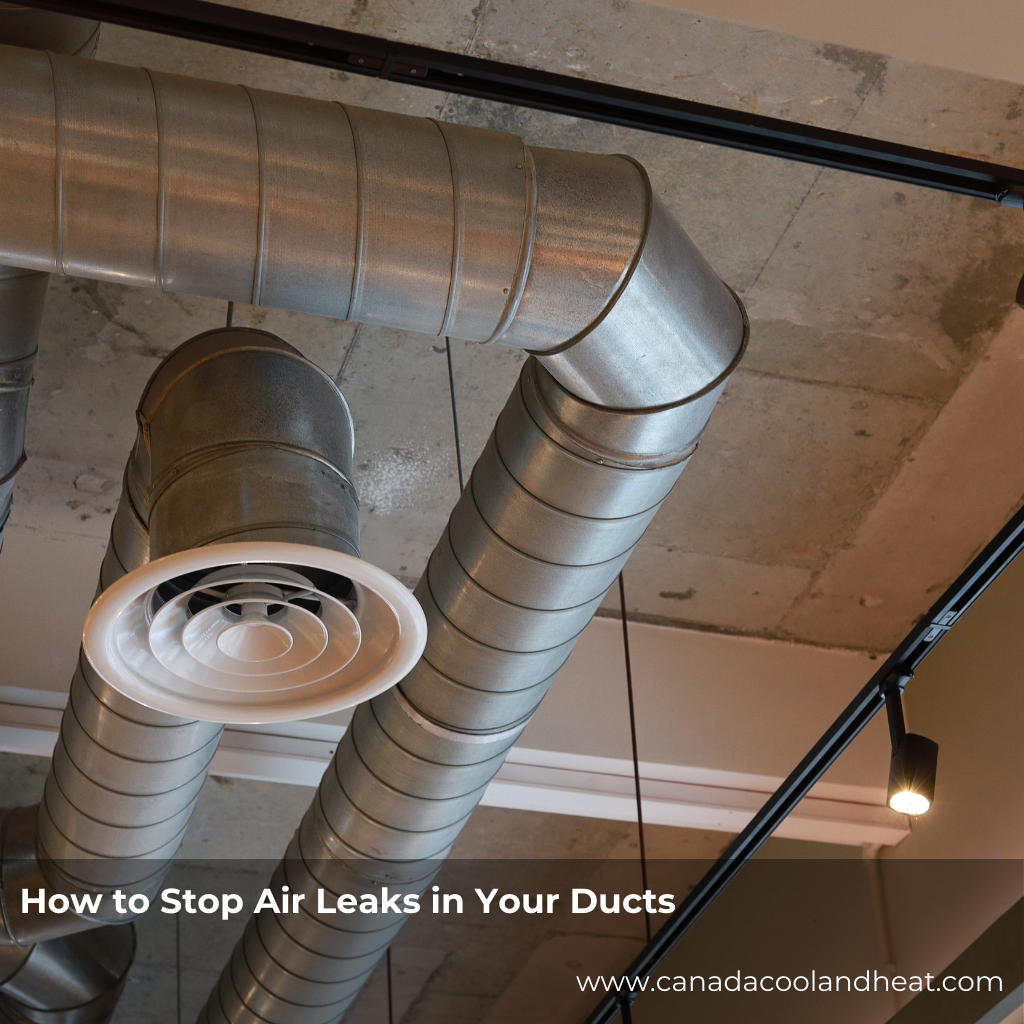
Too many bends, long runs, or small duct diameters can cut performance in half.
Mistake 4: Ignoring HVAC Interaction
Vent hoods and HVAC systems share the same air volume in your home — changes to one affect the other.
Bringing It All Together
In the Johnsons’ case, their contractor upgraded their range hood to an 1,200 CFM model but didn’t install makeup air. Once that was added — a small duct bringing in tempered outdoor air tied to the hood’s operation — the drafts disappeared, their HVAC system calmed down, and cooking became a pleasure again.
The lesson?
Good kitchen ventilation isn’t just about the hood — it’s about the whole home’s airflow. When HVAC and vent hood design work together, you get fresher air, more comfortable temperatures, and longer-lasting equipment.
FAQ
1. What’s the ideal CFM for a residential kitchen vent hood?
It depends on your range size and output, but most home kitchens fall between 300–900 CFM.
2. Do all high-CFM hoods need makeup air?
In many building codes, yes — typically required for hoods above 400 CFM.
3. Can a vent hood be too powerful?
Yes. Oversized hoods can cause negative pressure, drafts, and HVAC inefficiency.
4. Does duct size matter for vent hoods?
Absolutely. Too small a duct will restrict airflow and make the fan work harder.
5. Can recirculating hoods replace ducted hoods?
They can help with odor control but won’t remove heat and moisture like a ducted hood.
6. How far should the hood be from the cooktop?
Typically 24–30 inches for electric ranges and 27–36 inches for gas ranges.
7. Are commercial vent hood rules the same for home kitchens?
No — commercial kitchens have much stricter ventilation codes due to higher cooking loads.
8. Will upgrading my vent hood improve indoor air quality?
Yes, if installed correctly and balanced with your HVAC system.