
The Heart of the Home: Where Comfort Begins
Every home’s airflow story starts in the kitchen. It’s the one place where you generate heat, moisture, and odors all at once. When you flip on your range hood, it’s doing more than clearing the air—it’s literally pulling conditioned air out of your home.
If your vent hood is powerful (as many modern models are), it can exhaust 600 to 1200 cubic feet per minute (CFM). That’s great for removing smoke and steam, but unless that air is replaced properly, it creates negative pressure. This imbalance forces your HVAC system to work harder, drawing air in through gaps, vents, or even your fireplace flue.
How Vent Hoods Affect HVAC Balance
Here’s where things get interesting: your kitchen’s ventilation directly affects your home’s HVAC performance.
When you use a high-CFM vent hood without make-up air (fresh air brought in to replace what’s vented out), you risk:
-
Uneven room temperatures: Upper floors may trap heat while lower levels feel drafty.
-
Pressure imbalances: Air leaks through doors, windows, and vents as the system struggles to stabilize.
-
Reduced HVAC efficiency: Your heating and cooling system compensates for lost air, raising energy costs.
-
Poor indoor air quality: Without proper balance, pollutants and humidity can linger in certain areas.
Imagine your HVAC as a carefully tuned orchestra—when the vent hood pulls too much air, it’s like a tuba player blowing off-beat. Everything else starts compensating to keep the melody together.
Sizing Your Range Hood: Finding the Sweet Spot
Choosing the right hood size is one of the simplest ways to avoid airflow chaos. Oversized vent hoods may look impressive, but they can overpower your HVAC’s ability to maintain balance.
Here’s a quick guideline for proper sizing:
| Cooktop Type | Recommended CFM | Notes |
|---|---|---|
| Electric range (30–36”) | 250–400 CFM | Ideal for standard home kitchens |
| Gas cooktop (up to 36”) | 400–600 CFM | Moderate ventilation needs |
| Professional-style range (48”+) | 600–1200 CFM | May require make-up air system |
Rule of thumb: Aim for about 100 CFM for every 10 inches of cooktop width (for standard home cooking).
If you regularly sear steaks, fry foods, or use a wok burner, lean toward the higher end. For light cooking, you can easily manage with a smaller hood—and save your HVAC from unnecessary strain.
Make-Up Air: The Hidden Hero
One of the best-kept secrets in HVAC design is make-up air. It’s a system that brings in fresh outdoor air to replace what your vent hood expels. This keeps your home’s air pressure stable and your HVAC running smoothly.
Modern building codes often require make-up air systems for vent hoods exceeding 400 CFM, especially in tightly sealed homes. These systems can be simple—like a motorized damper connected to your HVAC return line—or fully integrated solutions that precondition incoming air.
Think of it as a breath of fresh air for your home—literally.
Tips for Keeping Multi-Story Homes Comfortable
Balancing temperature in multi-level houses requires a combination of ventilation strategy and smart HVAC tuning. Try these friendly, practical steps:
-
Run your HVAC fan on “circulate” mode. This keeps air moving even when heating or cooling isn’t active.
-
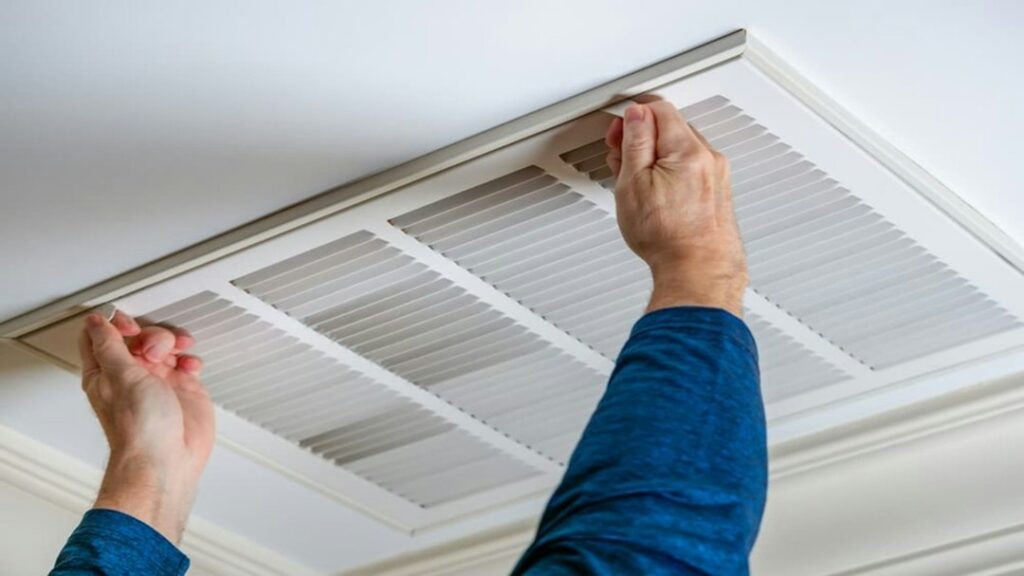
Check your return air vents. Make sure they’re not blocked by furniture or decor, especially on upper floors.
-
Install a zoned HVAC system. This lets you control temperatures independently by floor or area.
-
Use ceiling fans correctly. In summer, blades should spin counterclockwise; in winter, reverse them to push warm air down.
-
Balance dampers in ductwork. Your HVAC professional can fine-tune airflow distribution for even temperatures.
-
Schedule seasonal HVAC tune-ups. Filters, blower settings, and duct inspections make a big difference in comfort.
Real-Life Example: The “Hot Upstairs” Fix
When a family in Charlotte, NC renovated their kitchen, they upgraded to a 1000-CFM range hood. Within weeks, the upstairs bedrooms became uncomfortably warm while the basement felt chilly. The culprit? Negative pressure from the overpowered vent hood was pulling air unevenly through the home.
By installing a make-up air kit and rebalancing their HVAC dampers, they restored even comfort. The vent hood worked perfectly—and so did the temperature on every floor.
Conclusion
Balancing home temperatures in multi-story houses isn’t just about your thermostat—it’s about how your kitchen breathes. Your vent hood HVAC kitchen relationship plays a huge role in maintaining comfort, efficiency, and indoor air quality.
With the right hood size, make-up air strategy, and airflow balance, your home can stay evenly comfortable from basement to attic—all while keeping your kitchen fresh and your energy bills steady.
FAQs
1. What’s the ideal CFM for a typical kitchen vent hood?
Most standard kitchens do well with 250–600 CFM, depending on your cooktop type and cooking habits.
2. Do I need a make-up air system?
Yes, if your vent hood exceeds 400 CFM or if your home is tightly sealed for energy efficiency.
3. Can my HVAC balance be affected by a new vent hood?
Absolutely. Large vent hoods can create pressure differences that impact airflow throughout the home.
4. How often should I clean my range hood filters?
For optimal airflow, clean metal filters monthly (or more often if you cook frequently).
5. Are ductless range hoods a good option?
They’re convenient for condos or apartments, but they don’t remove heat or humidity—only odors—so they don’t help HVAC balance.
6. Can adding a second return vent help with temperature balance?
Yes, additional returns—especially on upper floors—can significantly improve air circulation.
7. Should I run my vent hood when using the oven?
Yes, it helps exhaust extra heat and moisture, reducing strain on your HVAC.