Why Proper Ventilation Matters When Cooking
Cooking releases more than just pleasant aromas. It also produces:
- Smoke and grease particles that stick to surfaces and trigger allergies.
- Moisture that can encourage mold growth.
- Volatile organic compounds (VOCs) from high-heat cooking oils.
- Odors that spread beyond the kitchen.
Without proper airflow, these contaminants circulate through your HVAC system, aggravating allergies, asthma, or respiratory discomfort. By ensuring your kitchen has the right vent hood connected and balanced with your HVAC, you can maintain cleaner, healthier air.
The Role of Range Hoods in HVAC Balance
A range hood is more than just a fan over your stove—it’s a critical component of your home’s ventilation strategy. Here’s how it impacts your HVAC balance:
- Air Capture: The hood collects smoke, steam, and grease right where they’re generated.
- Exhaust Ventilation: It directs contaminants outside through ductwork rather than redistributing them indoors.
- Air Pressure Considerations: If the hood is too powerful, it can create negative pressure, pulling outside air (and allergens) into your home.
- Energy Efficiency: A well-balanced hood reduces strain on your HVAC system by preventing unnecessary recirculation of polluted air.
Think of your kitchen vent hood as the lungs of your cooking space—it needs to inhale the bad air and exhale it outdoors without throwing the rest of your home off balance.
Sizing Guidelines for Kitchen Vent Hoods
Choosing the right size and power for your vent hood ensures effective ventilation while keeping your HVAC balanced. Here are some guidelines:
1. Width of the Hood
- Your hood should be at least as wide as your cooking surface.
- Ideally, extend 3 inches beyond each side for maximum capture.
2. CFM (Cubic Feet per Minute)
- Electric Ranges: Aim for 100 CFM per 10 inches of stove width.
- Gas Ranges: Calculate 100 CFM for every 10,000 BTUs of burner output.
- Heavy Cooking (e.g., frying, wok cooking): Opt for higher CFM ratings.
3. Mounting Height
- Place the hood 24–30 inches above electric ranges.
- For gas ranges, allow 30–36 inches for safety and efficiency.
4. Ductwork Matters
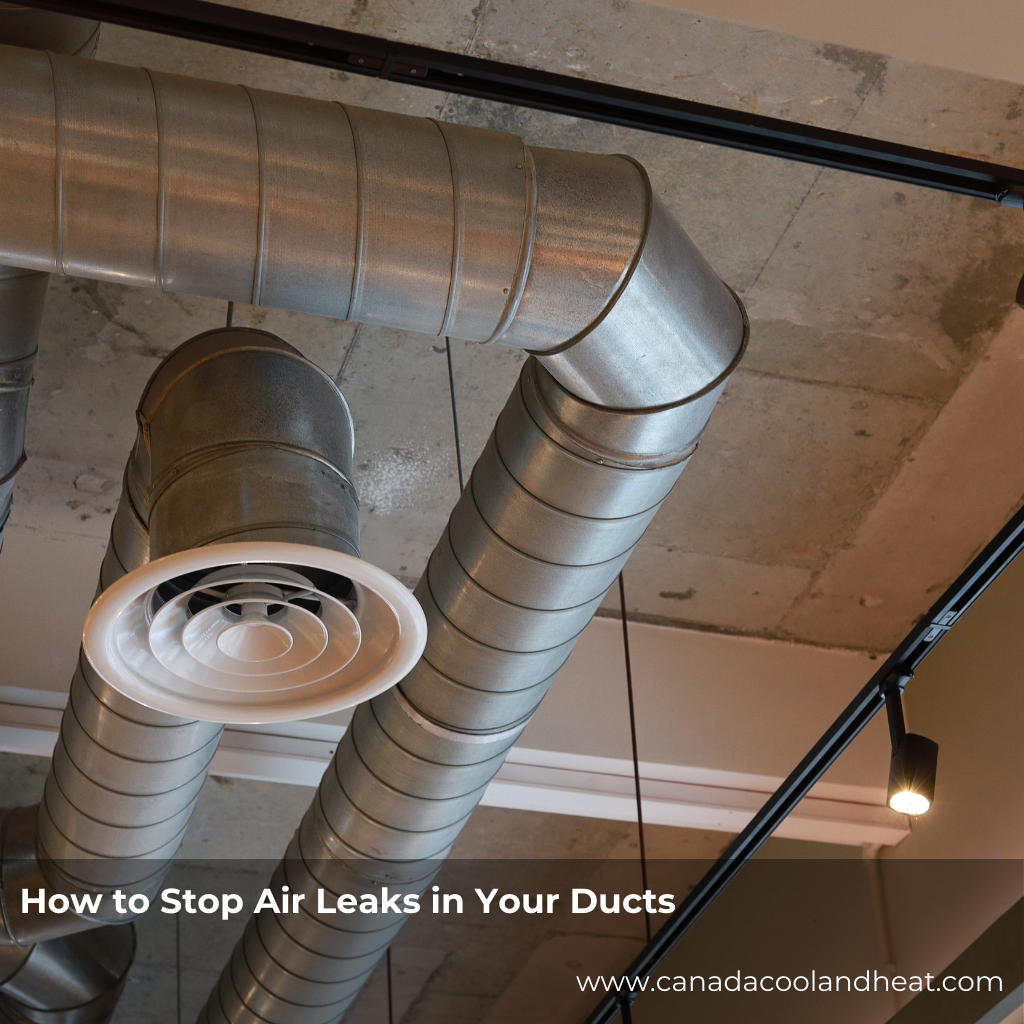
- Keep ducts as short and straight as possible.
- Avoid sharp turns that restrict airflow.
- Use smooth, rigid ducting instead of flexible material.
5. Make-Up Air Systems
- Large, powerful hoods (over 400 CFM) may require a make-up air system to replace the exhausted air and prevent negative pressure.
Practical Tips for Allergen Control in Kitchens
- Regular Cleaning: Clean grease filters monthly to maintain airflow.
- Seal Leaks: Ensure ductwork is sealed to prevent backdrafting.
- Use Recirculating Filters Cautiously: Carbon filters trap odors but don’t remove allergens effectively—venting outdoors is best.
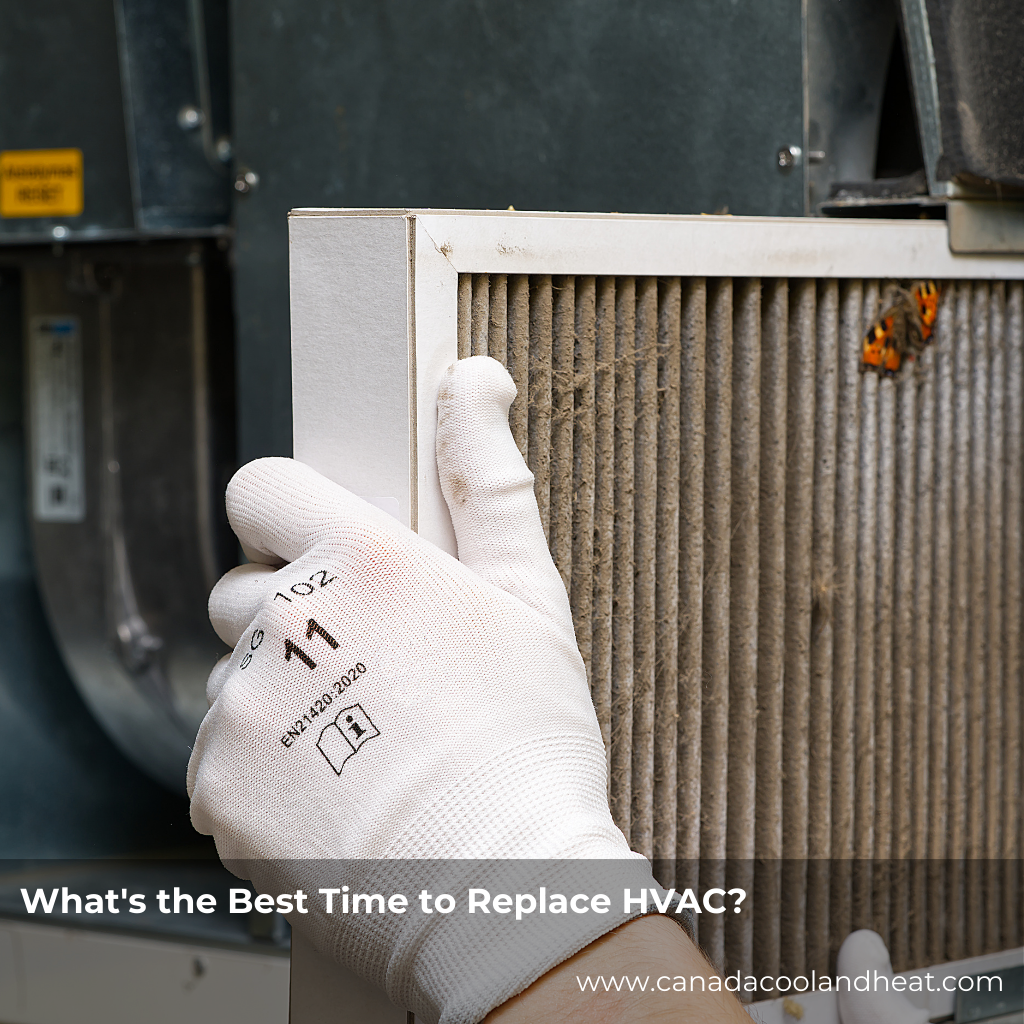
- Integrate HVAC Filters: High-efficiency filters (MERV 11 or higher) capture fine particles circulating in your system.
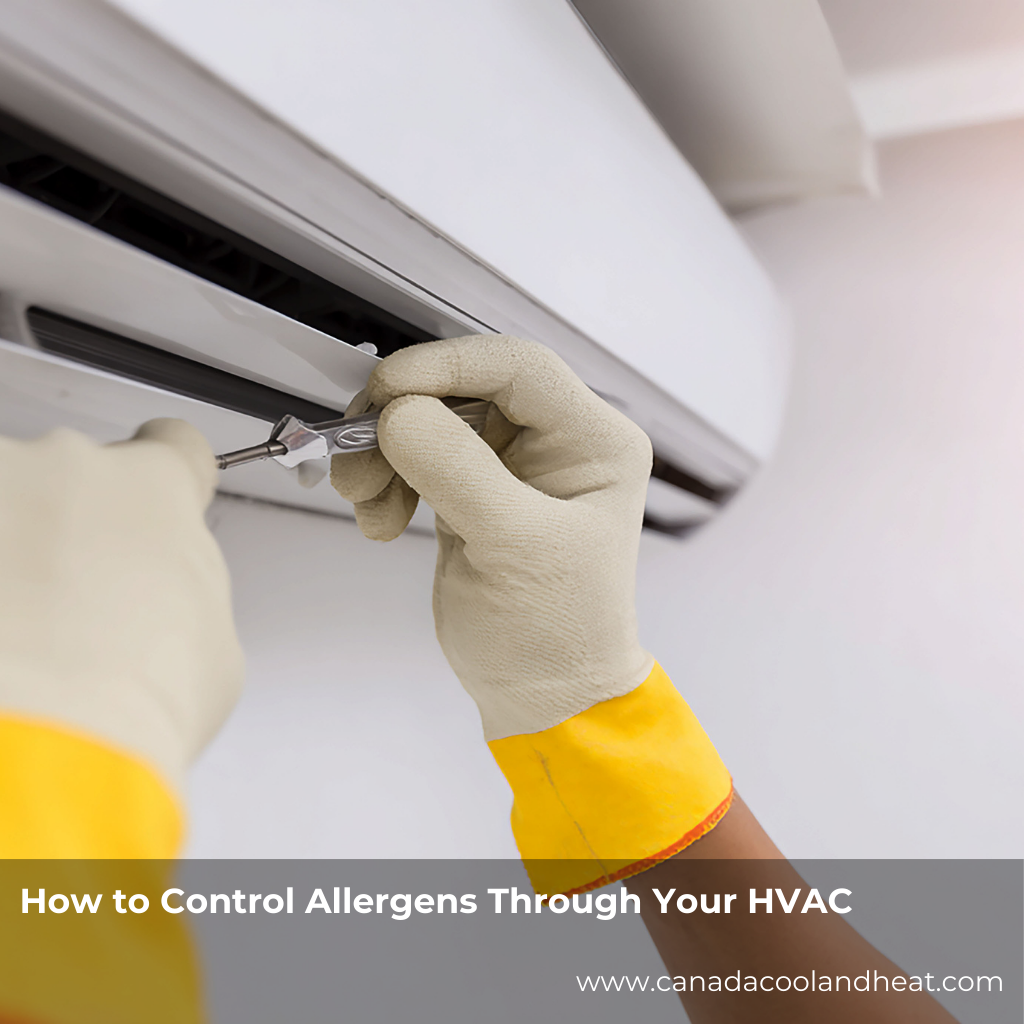
- Routine HVAC Maintenance: Have your system inspected and cleaned regularly to avoid allergen buildup.
Conclusion
Your kitchen vent hood isn’t just about odor control—it’s a vital partner in maintaining healthy indoor air. By choosing the right size, balancing it with your HVAC, and keeping it well-maintained, you can reduce allergens, improve comfort, and extend the life of your system.
So next time you’re whipping up that stir-fry, you’ll enjoy the flavors without the sneezes.
FAQs About Vent Hood HVAC Kitchens
1. Do vent hoods really help with allergens?
Yes. Vent hoods remove smoke, grease, and airborne particles at the source, preventing them from circulating through your HVAC system.
2. How do I know if my hood is too strong for my kitchen?
If you notice drafts, difficulty closing doors, or your HVAC system working harder, your hood may be creating negative pressure.
3. Is a ductless range hood effective?
Ductless hoods help with odors but don’t fully remove allergens or moisture since they recirculate air through filters instead of venting outside.
4. How often should I clean my hood filters?
Grease filters should be cleaned every month, while charcoal filters in ductless systems should be replaced every 3–6 months.
5. Can a vent hood lower my energy bills?
Indirectly, yes. By improving airflow and reducing strain on your HVAC system, a properly sized hood can contribute to better efficiency.
6. Do I always need a make-up air system?
Only if your hood exceeds 400 CFM. Local building codes may also require it for safety and balance.
7. What’s the best filter for HVAC allergen control?
Look for high-efficiency pleated filters rated MERV 11–13 for effective allergen capture.