
Why Kitchen Ventilation Matters More Than You Think
The kitchen is the heart of the home — but it’s also one of the biggest sources of indoor air pollution. Cooking releases moisture, grease, carbon dioxide, and fine particles that linger long after the meal is done. Without good airflow, these pollutants can:
-
Build up on cabinets and walls
-
Trigger allergies or asthma
-
Strain your HVAC system
-
Create persistent odors
That’s why an efficient vent hood is more than a convenience — it’s a vital part of your home’s health.
The Hidden Connection: Vent Hoods and HVAC Balance
Your vent hood doesn’t work in isolation. It’s part of a larger network that includes your home’s HVAC system — heating, ventilation, and air conditioning. When your vent hood pulls air out of the kitchen, your HVAC system must replace that air somehow. If this balance is off, you could experience:
-
Negative pressure: When too much air is exhausted and not enough comes in, outdoor air (and sometimes unwanted smells) can get sucked into the home.
-
Inefficient HVAC performance: Your heating or cooling system works harder to stabilize temperature and air pressure.
-
Drafts or backdrafting: Appliances like gas water heaters or fireplaces can draw exhaust gases back inside, which is dangerous.
The solution? Balance is everything. For every cubic foot of air your vent hood removes, your HVAC should help replace it with clean, conditioned air.
Sizing Your Range Hood: The Goldilocks Rule
Just like Goldilocks, you don’t want a vent hood that’s too small or too large — it has to be just right.
Here’s a simple guide to get started:
| Type of Cooking Surface | Recommended CFM (Cubic Feet per Minute) | Example |
|---|---|---|
| Electric cooktop | 100 CFM per 10 inches of stove width | 300–400 CFM for standard ranges |
| Gas cooktop | 100 CFM for every 10,000 BTU output | 400–600 CFM for medium ranges |
| High-output stove or pro range | 600–1200 CFM | Large gas ranges or frequent frying/grilling |
Pro Tip:
If your kitchen is large or open-concept, go slightly higher on the CFM range. But remember — the more powerful the hood, the more replacement air your HVAC system must supply.
Designing for Air Balance: The Right Way to Breathe Indoors
Let’s say you’ve chosen the perfect vent hood. The next step is ensuring your HVAC system supports it. Here are a few strategies homeowners can use:
1. Add a Makeup Air System
A makeup air unit introduces fresh, filtered air into the home whenever the vent hood is on. This prevents negative pressure and keeps your HVAC system stable.
2. Check for Leaks and Blockages
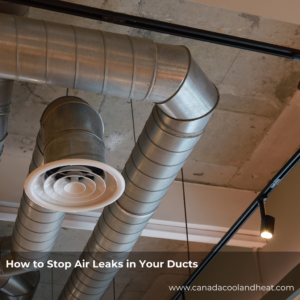
Inspect ducts for grease buildup or disconnected joints. Clean filters and vents regularly — a clogged system disrupts airflow efficiency.
3. Coordinate with HVAC Professionals
Your HVAC technician can calibrate the system to maintain optimal air pressure. This may include adjusting dampers or upgrading return air pathways.
4. Use Smart Ventilation Controls
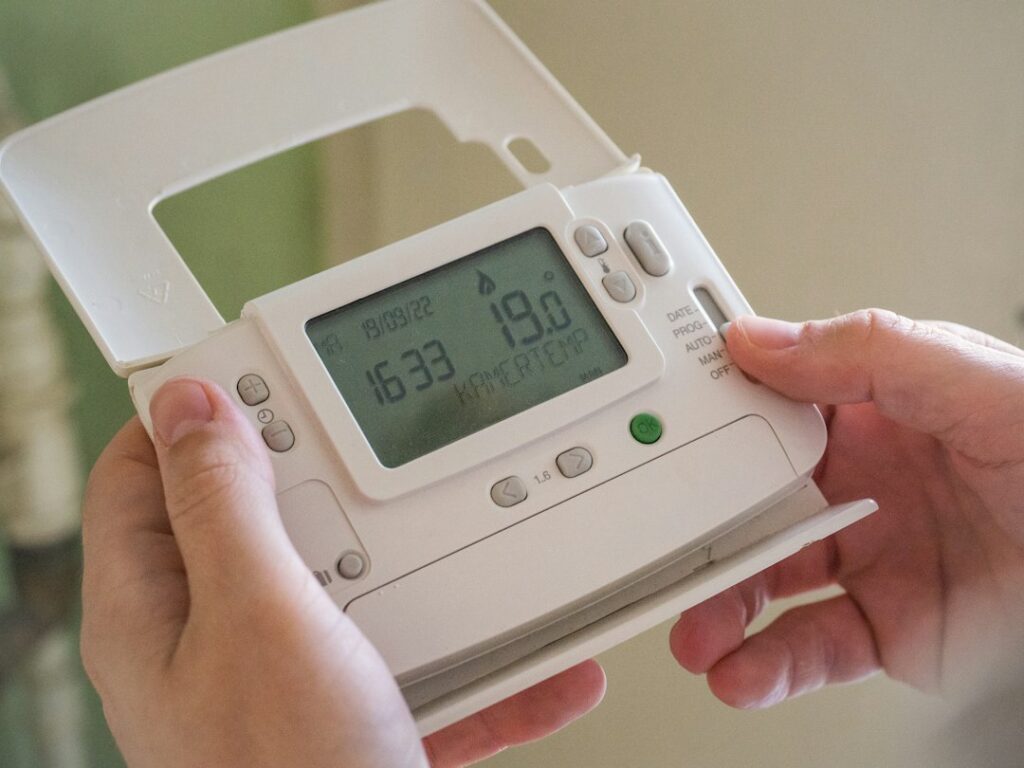
Modern homes often use sensors or automatic dampers that adjust airflow in real-time, ensuring a consistent and healthy indoor environment.
Everyday Habits to Improve Air Circulation
Even without major renovations, small habits can make a noticeable difference:
-
Run your vent hood every time you cook, even for boiling water.
-
Open interior doors to help air circulate freely between rooms.
-
Clean filters monthly, and replace them when worn.
-
Schedule HVAC maintenance twice a year.
-
Avoid blocking vents with furniture or décor.
These simple steps reduce humidity, eliminate odors, and keep your air feeling fresh all day long.
Conclusion: Breathe Easy, Cook Happily
Good ventilation isn’t just about removing smoke — it’s about creating a home that breathes with you. By understanding how your vent hood interacts with your HVAC system, ensuring it’s properly sized, and maintaining balance, you’ll enjoy cleaner air, more efficient energy use, and a more comfortable cooking experience.
Next time you sauté or simmer, take a moment to appreciate that soft whoosh above your stove — it’s quietly protecting your home’s air quality.
FAQs About Vent Hood HVAC Kitchens
1. What’s the ideal CFM for a standard kitchen range hood?
Most homes do well with 300–600 CFM, depending on stove type and kitchen size.
2. How often should I clean my range hood filter?
At least once a month if you cook frequently. Metal filters can be cleaned with warm soapy water or a dishwasher.
3. Does a vent hood affect my heating and cooling bills?
Yes. If not balanced with makeup air, it can cause your HVAC to work harder, raising energy costs.
4. Can I use a ductless range hood instead?
Ductless hoods help reduce odors but don’t remove heat or moisture. They’re best for small spaces or apartments.
5. What is makeup air, and do I need it?
Makeup air replaces what your vent hood removes. It’s essential in tightly sealed or energy-efficient homes.
6. How can I tell if my home has poor air circulation?
Signs include condensation on windows, musty odors, or uneven temperatures between rooms.
7. Can an HVAC technician adjust my airflow for better balance?
Absolutely. They can fine-tune dampers, check ductwork, and install systems that optimize pressure.
8. What’s the quietest type of vent hood?
Remote or inline blower systems, which place the motor farther from the kitchen, tend to be quieter.
9. Should the vent hood vent outside or recirculate?
Venting outside is always best for removing heat, moisture, and contaminants effectively.
10. What’s the most common mistake homeowners make with ventilation?
Choosing an oversized hood without considering makeup air — it can disrupt your entire HVAC balance.