Why Proper Cooking Ventilation in Basements Matters
Cooking generates smoke, grease particles, moisture, and odors. Without proper ventilation, all of that lingers in the space. In basements, this is even more problematic because:
- Airflow is naturally restricted.
- There are fewer or smaller windows.
- HVAC systems often aren’t designed with kitchens in mind.
Improper ventilation can lead to mold growth, higher humidity, and even issues with carbon monoxide if gas appliances are involved.
How Range Hoods Interact with HVAC Systems
Enter the hero of kitchen ventilation: the vent hood.
Range hoods pull air, steam, and airborne grease out of the cooking area and either filter and recirculate it or exhaust it outdoors. In a basement kitchen, the second option—external venting—is typically preferred.
But here’s where it gets interesting: using a high-powered vent hood in a tightly sealed basement can upset the balance of your HVAC system.
Common Issues:
- Negative Pressure: Powerful hoods can pull too much air out, creating a vacuum effect that pulls in unconditioned air from cracks or other floors.
- Backdrafting: In gas-heated homes, this can cause dangerous combustion gases to re-enter living spaces.
- System Imbalance: If your central HVAC isn’t set up to handle the air loss, it may strain to maintain temperature and air quality.
Sizing Guidelines for Basement Kitchen Vent Hoods
Getting the right size range hood is critical for both effectiveness and HVAC compatibility. Here’s a simple breakdown:
1. Know Your BTUs
If you have a gas stove, calculate the total BTUs (British Thermal Units) of all burners. A good rule of thumb:
- 1 CFM (cubic feet per minute) per 100 BTUs.
For example, if your stove produces 50,000 BTUs, you’ll need a hood rated at least 500 CFM.
2. For Electric or Induction Cooktops:
- Go by cooktop width.
- 30″ cooktop = 250-400 CFM
- 36″ cooktop = 300-500 CFM
3. Ducting Matters
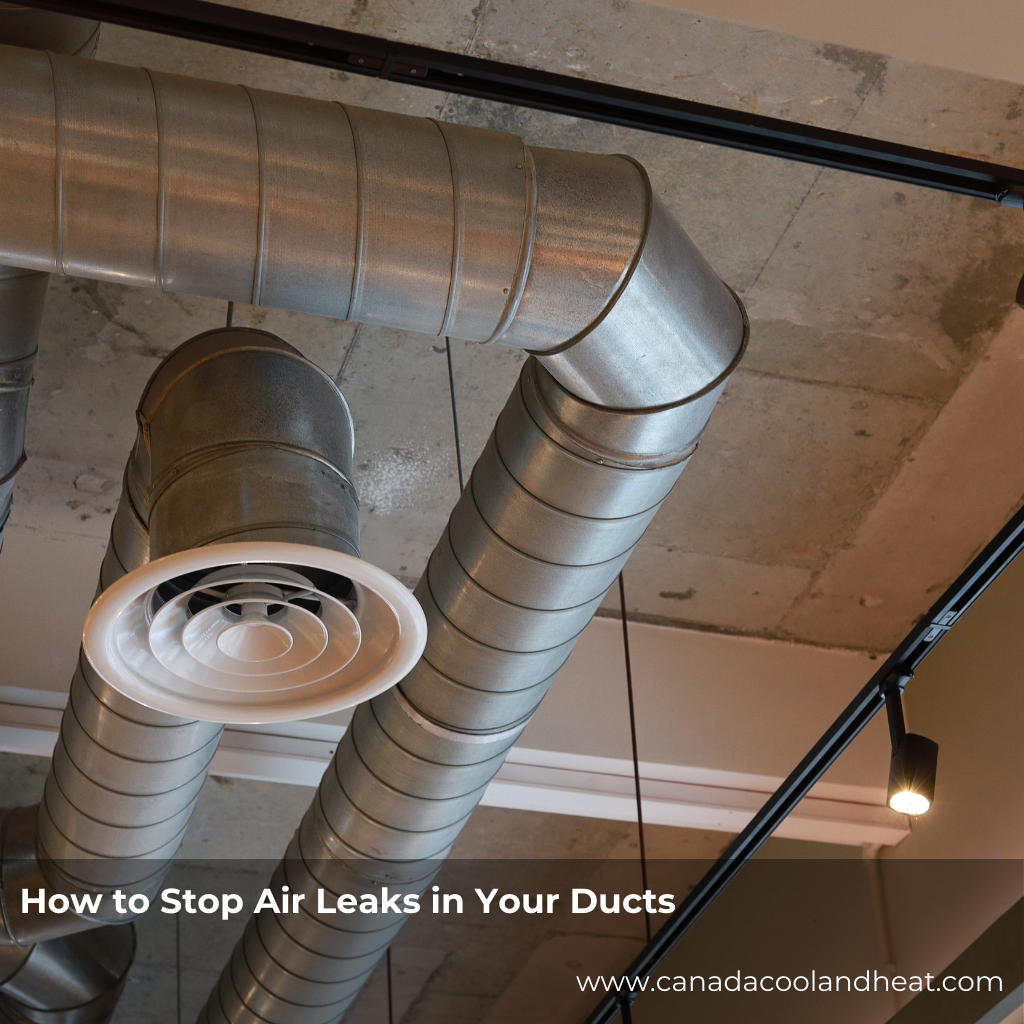
- Use rigid ducting instead of flexible tubing for better airflow.
- Keep duct runs short and with minimal bends.
- Make sure the duct vents outside, not just into the ceiling or wall cavity.
4. Consider a Make-Up Air System
For hoods over 400 CFM, most building codes require a make-up air system. This system brings fresh air into the basement to replace the exhausted air, maintaining HVAC balance.
Smart Tips for Improving Basement Ventilation
Even beyond range hoods, here are some practical steps to boost your basement kitchen’s air quality:
- Install an ERV or HRV (Energy/Heat Recovery Ventilator) to promote fresh air exchange.
- Add a dehumidifier to control moisture.
- Seal air leaks to avoid drafts and unbalanced airflow.
- Use exhaust fans in combination with range hoods for enhanced circulation.
- Install air purifiers if odors are persistent.
Conclusion
Ventilation isn’t just about keeping your basement kitchen from smelling like last night’s curry—though that’s a perk. It’s about ensuring safe, breathable air, balanced HVAC performance, and long-term comfort. So, if you’re planning a basement remodel or struggling with stale air, consider investing in the right vent hood, smart airflow design, and maybe a call to your local HVAC pro.
Because as Sarah learned, great tacos shouldn’t come with lingering side effects.
FAQs
1. Do I need a vent hood in a basement kitchen?
Yes, especially if you’re cooking regularly. A vent hood helps remove smoke, grease, and odors to improve air quality.
2. Can I use a ductless hood in the basement?
You can, but it’s not ideal. Ductless hoods filter and recirculate air, which isn’t as effective as venting outside in a closed space like a basement.
3. How do I know if my range hood is too powerful?
If it causes drafty conditions, disrupts HVAC balance, or you feel suction near doors, it’s likely too strong or lacks make-up air.
4. What is make-up air and do I need it?
Make-up air replaces air pulled out by the hood. For systems over 400 CFM, it’s often required by code and essential to avoid negative pressure.
5. What’s the best type of hood for a basement?
Wall-mounted or under-cabinet hoods with external venting are ideal. Choose one sized appropriately for your stove and cooking habits.
6. Can basement kitchen odors travel upstairs?
Yes. Poor ventilation allows smells to rise through the home. Proper hoods and sealing can prevent this.
7. Should I modify my HVAC for a basement kitchen?
It may be wise. Consult an HVAC professional to assess airflow, duct sizing, and the need for a dedicated zone.
8. Can a dehumidifier help with ventilation?
Yes, it reduces moisture but doesn’t replace air. Use it with other systems for the best results.
9. Are window fans useful in basements?
If you have windows, they can help. But they’re not a substitute for a vent hood or exhaust system.
10. Is it expensive to install proper ventilation?
Costs vary, but good ventilation pays off in comfort, air quality, and home value. Budget $500–$2,500 depending on complexity.