Why Kitchen Ventilation Matters
Cooking releases more than just delicious smells. Every pot of boiling pasta water and sizzling stir-fry adds:
-
Moisture – a key ingredient for mold growth.
-
Grease particles – which cling to ducts and trap dirt.
-
Combustion byproducts – like carbon monoxide if you’re cooking with gas.
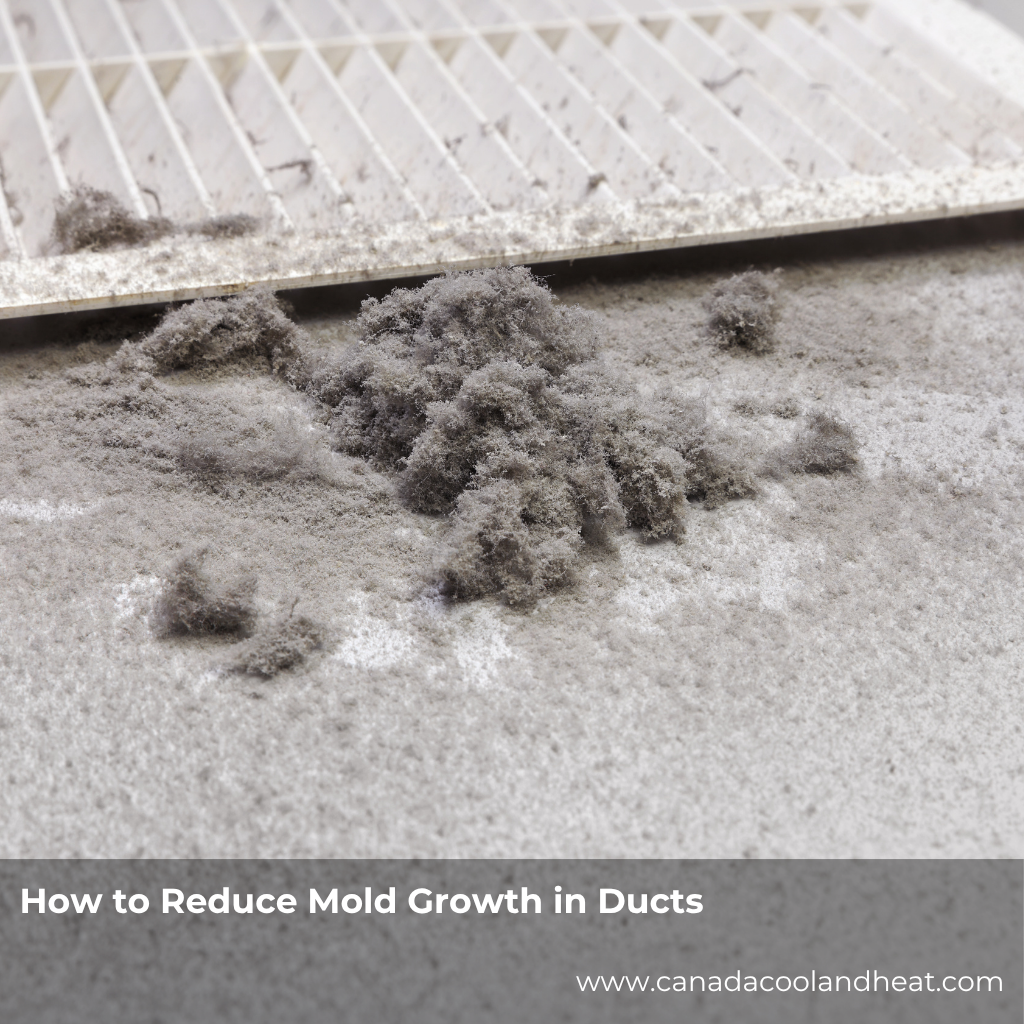
Without proper ventilation, these contaminants don’t escape. Instead, they cycle through your HVAC ducts, creating the perfect damp environment where mold spores settle and grow.
A well-functioning vent hood doesn’t just clear the air above your stove—it directly influences how your entire home’s HVAC system performs.
The Hidden Link: Range Hoods and HVAC Balance
Here’s where things get interesting. Many homeowners don’t realize that range hoods impact HVAC balance. Think of your house as a giant breathing system. Air needs to flow in and out smoothly, but a poorly sized or overly powerful vent hood can throw things off.
-
Overpowered hoods can pull too much air out, creating negative pressure. This forces outdoor air (and moisture) to sneak in through cracks or gaps—feeding mold risk.
-
Underpowered hoods don’t remove enough cooking byproducts, letting steam and grease recirculate into your HVAC ducts.
-
Unbalanced airflow makes your HVAC system work harder, often leading to uneven heating and cooling, which encourages condensation inside ducts.
A balanced system ensures your vent hood works with your HVAC—not against it.
How to Choose the Right Vent Hood Size
Sizing your range hood is one of the most overlooked but crucial steps in mold prevention. Too small, and it won’t capture enough pollutants. Too big, and it disrupts airflow. Here’s a simple guideline:
-
For electric ranges: Aim for 100 CFM (cubic feet per minute) for every 10 inches of stove width.
-
For gas ranges: You’ll need more power—about 100 CFM for every 10,000 BTUs of burner output.
-
Hood width: Ideally, the hood should extend 3 inches beyond each side of the cooktop for maximum capture.
-
Duct size: Bigger isn’t always better, but ducts must match hood capacity. Narrow ducts restrict airflow, making grease and moisture linger.
💡 Pro Tip: If your hood is larger than 400 CFM, you may need a makeup air system—a feature that balances airflow by bringing fresh air back in. Without it, your HVAC may struggle to maintain proper pressure, leading to—you guessed it—mold risks.
Mold Prevention Through Ventilation Habits
Even with the best equipment, habits matter. Here are a few everyday practices to reduce mold growth in ducts:
-
Turn on your vent hood before cooking – This helps establish airflow early.
-
Let it run 10–15 minutes after cooking – To clear lingering moisture.
-
Clean filters regularly – Grease-clogged filters reduce airflow and trap mold spores.
-
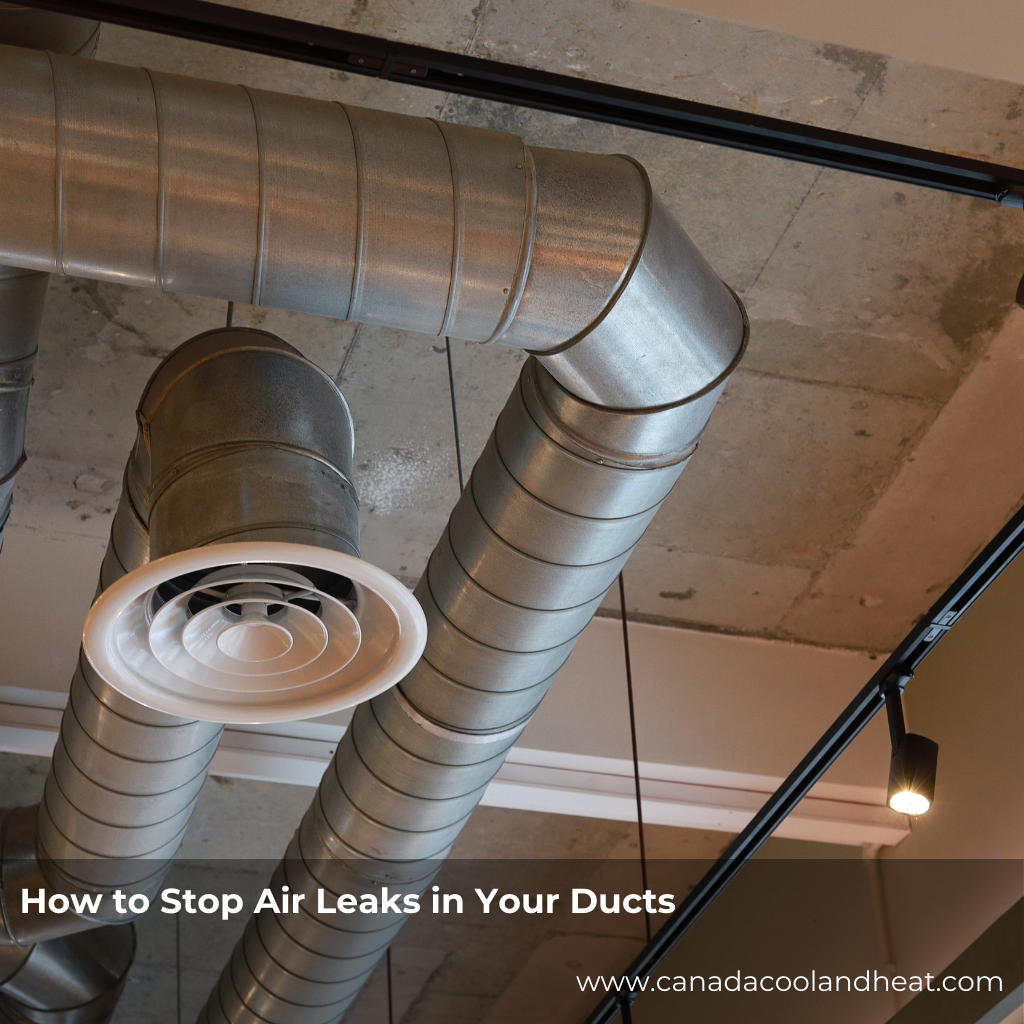
Check ductwork for leaks – Any gaps invite warm, moist air into cooler spaces, encouraging condensation.
-
Schedule HVAC maintenance – A technician can spot early signs of mold and balance your system.
The Long-Term Payoff
Think of proper ventilation as an investment—not just in comfort, but in health. Mold exposure can trigger allergies, asthma, and respiratory issues. By ensuring your vent hood HVAC system in kitchens is sized and balanced correctly, you’re protecting both your home and your family.
Plus, balanced ventilation extends the life of your HVAC equipment, reduces energy waste, and keeps your kitchen air smelling like fresh herbs instead of lingering fried food.
Conclusion
Mold in ducts doesn’t start with mold spores—it starts with overlooked ventilation. The steam from last night’s pasta, the smoke from searing steaks, and the grease from frying—it all adds up. With the right vent hood sizing, HVAC balance, and kitchen ventilation habits, you can stop mold before it starts.
So the next time you fire up your stove, remember: your range hood isn’t just a luxury—it’s a frontline defense against hidden duct mold.
FAQs
1. How often should I clean my range hood filters?
At least once a month if you cook frequently, or quarterly for light use.
2. Do vent hoods really affect mold growth in ducts?
Yes. Poor ventilation traps moisture in ductwork, creating conditions for mold.
3. Can I install a powerful vent hood without a makeup air system?
Not recommended. Over 400 CFM usually requires makeup air to prevent HVAC imbalance.
4. What’s the best duct material for vent hoods?
Smooth, rigid metal ducts. Flexible ducts trap grease and moisture, increasing mold risk.
5. Why does my kitchen still smell after cooking, even with a hood?
Your hood may be undersized, improperly vented, or recirculating air instead of venting outdoors.
6. Can I retrofit an old kitchen with a better hood?
Absolutely. An HVAC professional can recommend proper sizing and ducting.
7. Is mold in ducts dangerous?
Yes—mold spores can circulate through your HVAC system, triggering allergies and respiratory issues.
8. How do I know if my HVAC system is unbalanced?
Signs include drafty rooms, uneven heating/cooling, or difficulty closing doors when the hood runs.