Why Proper Kitchen Ventilation Matters
Cooking releases heat, moisture, smoke, grease particles, and odors—and all of that needs a fast and efficient exit route. But poor duct sealing or mismatched airflow can cause major problems, including:
-
Pressure imbalances
-
Excessive humidity
-
Backdrafting in gas appliances
-
HVAC inefficiency
-
Higher energy bills
And in kitchens, where airflow is strongest, even small duct leaks can turn into major efficiency losses.
How Range Hoods Affect HVAC Balance
Here’s the part most homeowners don’t know:
Range hoods don’t just pull smoke out—they pull conditioned air out too.
Your HVAC system is constantly trying to keep a balanced amount of air circulating throughout your home. But when the vent hood turns on, suddenly the balance shifts. Think of it like someone opening a window during a snowstorm—you lose precious conditioned air.
What Happens When Balance Is Lost
When the hood exhausts too much air:
-
Your HVAC system must pull in more replacement air.
-
If the home is tightly sealed, it may pull air from the attic, crawlspace, or garage.
-
Doors may slam or whistle as air flows unpredictably.
-
Duct leaks become more obvious because the system is under extra strain.
This is one of the leading hidden causes of duct leakage in vent hood HVAC kitchens.
Sizing Guidelines for Range Hoods
Choosing the right hood size is essential for maintaining healthy airflow.
1. Electric or Induction Cooktops
-
Recommended: 100–150 CFM per linear foot of cooktop
-
Typical hood: 300–450 CFM
2. Gas Cooktops
Gas burners produce more heat, so you need stronger ventilation.
-
Recommended: 1 CFM per 100 BTUs
-
Typical hood: 400–900 CFM
3. Oversized or Commercial-Style Ranges
These require significantly more power:
-
Often 900+ CFM
-
Require makeup air solutions to keep pressure balanced
-
Must follow local building codes
4. Hood Size Relative to Cooktop
Your hood should be:
-
Same width as the cooktop (minimum)
-
Ideally 3 inches wider on each side for stronger capture efficiency
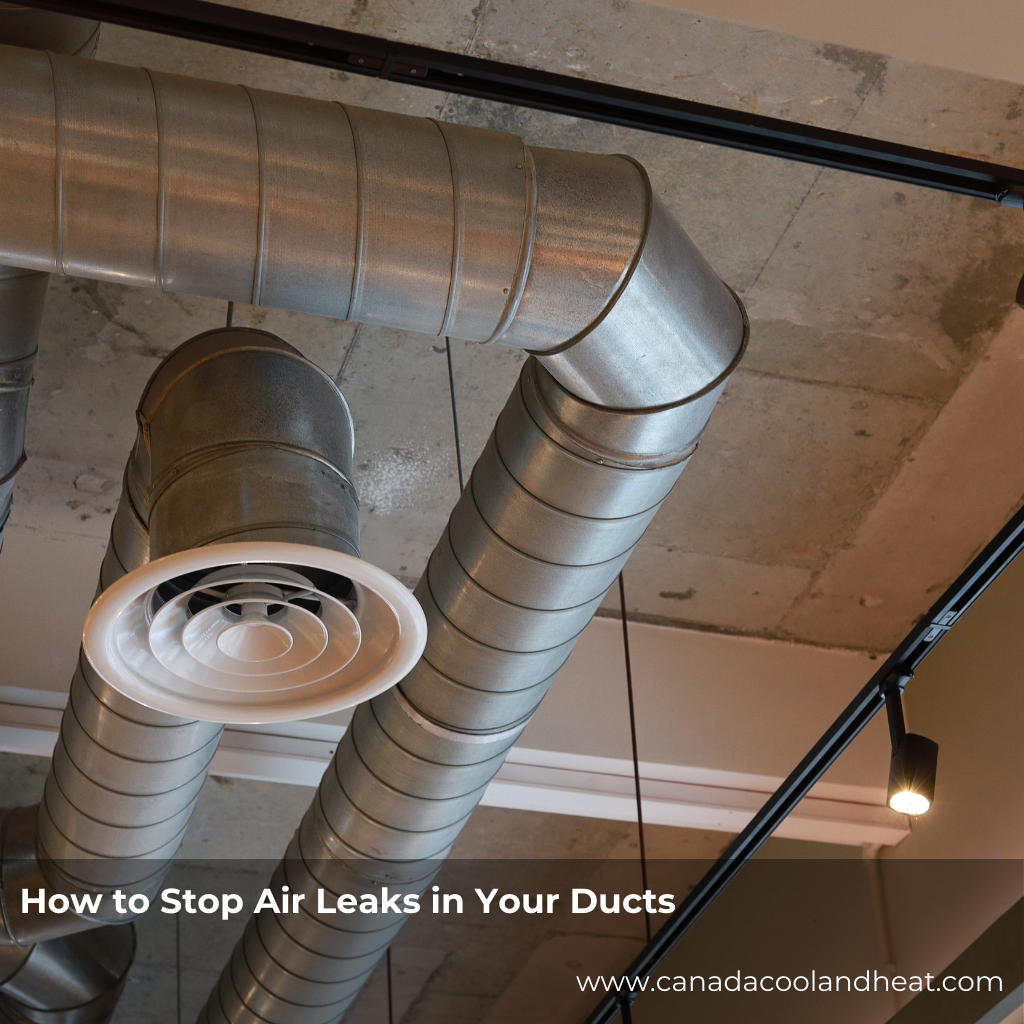
How to Stop Air Leaks in Your Ducts
Now that we understand how kitchen ventilation affects overall airflow, let’s talk about solving the root issue—duct leaks. Even a small gap can lose up to 30% of airflow, especially in pressure-heavy rooms like kitchens.
1. Inspect All Accessible Ductwork
Look for:
-
Gaps
-
Disconnected joints
-
Torn flex duct
-
Crushed or kinked duct sections
-
Grease accumulation near joints (a sign of escaping air)
Use a flashlight and run the hood while feeling for escaping air.
2. Use Mastic Sealant, Not Tape
Many people reach for duct tape—but ironically, duct tape is the worst thing for ducts.
Instead:
-
Apply water-based mastic around all seams
-
For large gaps, reinforce with fiber mesh tape before sealing
-
Avoid foil tape except for smooth metal surfaces
Mastic stays flexible and lasts decades.
3. Seal Wall Caps and Exterior Vents
Exterior terminations are common leak points. Inspect for:
-
Loose flapper dampers
-
Gaps between the vent and siding
-
Bird nests (surprisingly common)
Seal using silicone caulk, not mastic.
4. Add or Adjust Makeup Air (For Large Hoods)
If your hood is 400+ CFM, you may need makeup air—a controlled way to bring fresh air in without creating pressure problems.
Makeup air systems:
-
Prevent your HVAC from pulling air from unwanted places
-
Reduce duct strain
-
Are required by building code above certain CFM thresholds
Your HVAC contractor can help install a passive or powered system depending on your hood size.
5. Balance the HVAC System
Balancing includes:
-
Adjusting dampers
-
Rebalancing supply vs. return air
-
Ensuring proper airflow in kitchens
This reduces pressure differential and stabilizes duct performance.
Conclusion
Your kitchen plays a bigger role in your home’s airflow health than you might think. By properly sizing your range hood, maintaining balanced airflow, and sealing leaks throughout the duct system, you can protect your HVAC system, reduce energy costs, and keep your kitchen comfortable year-round.
Stopping air leaks isn’t just about sealing ducts—it’s about understanding the bigger airflow story happening in vent hood HVAC kitchens. With the right approach, your home can breathe easier.
Frequently Asked Questions
1. What causes air leaks in kitchen ventilation ducts?
Loose joints, improper installation, aging materials, or pressure imbalances caused by strong range hoods can all contribute.
2. How do I know if my range hood is too powerful?
If doors slam, the house feels drafty, or your HVAC struggles when the hood runs, it may be oversized without makeup air.
3. Does duct tape actually work for sealing ducts?
No—the adhesive fails quickly. Use mastic sealant or foil tape rated for HVAC.
4. Should my range hood vent outside?
Yes. Recirculating hoods only filter odors—they don’t remove moisture, heat, or combustion byproducts.
5. How often should I clean my range hood filters?
Metal baffle filters: every 1–3 months
Charcoal filters (recirculating models): every 3–6 months
6. Can duct leaks increase energy bills?
Absolutely. Leaks can waste 20–30% of airflow, forcing your HVAC to run longer.
7. How large should my range hood be?
Match the width of your cooktop—or go slightly wider for better capture.
8. What is makeup air and why do I need it?
It’s a controlled pathway for replacement air. Large hoods require it to maintain pressure balance.