The Role of Vent Hoods in Kitchen Airflow
Imagine a kitchen as a living organism: the HVAC system is the lungs, and the vent hood is its nose. When you cook, grease particles, steam, and heat rise into the air. The vent hood captures these contaminants and directs them outside, keeping your air fresh and breathable.
However, vent hoods are powerful pieces of equipment. They don’t just pull out odors and smoke—they also pull out large volumes of air. If your HVAC system isn’t properly balanced, this can lead to:
- Negative air pressure: Air gets sucked out faster than it’s replaced, causing doors to slam or drafts to form.
- Reduced efficiency: Conditioned air escapes too quickly, making heating and cooling uneven.
- Contamination: Without proper makeup air, grease and moisture can recirculate into the space.
A vent hood that’s too strong can cause as many problems as one that’s too weak. The key lies in proper sizing and balance.
Sizing Guidelines for Kitchen Ventilation
Before you install or upgrade your vent hood, sizing it correctly is crucial. Here are general guidelines:
1. Determine CFM (Cubic Feet per Minute) Needs
- Electric ranges: 100 CFM per linear foot of cooktop
- Gas ranges: 150 CFM per linear foot
- Commercial kitchens: Up to 300 CFM per linear foot, depending on cooking intensity
2. Match the Ductwork
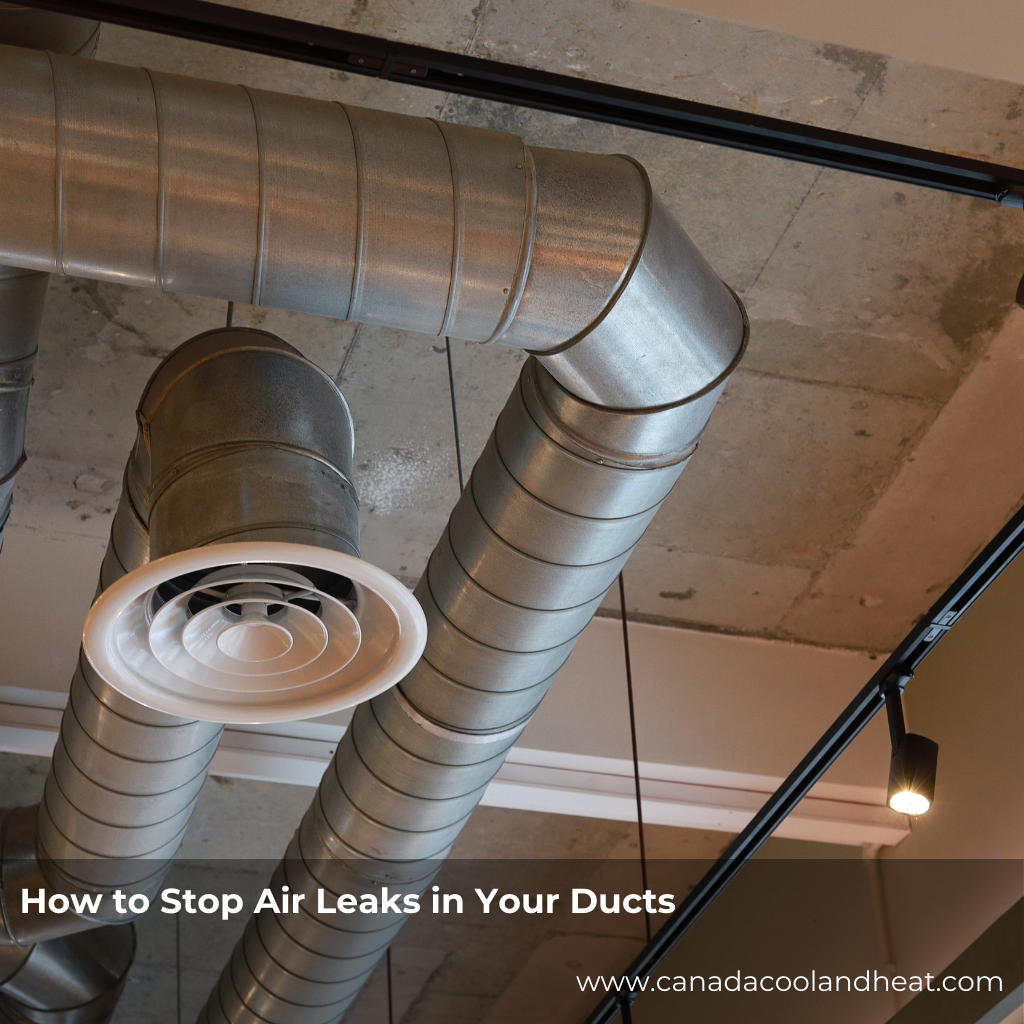
Improper duct sizing creates resistance and reduces airflow. As a rule of thumb:
- Keep duct runs as straight as possible.
- Avoid sharp bends.
- Use smooth metal ducts (not flexible foil).
3. Balance Exhaust with Makeup Air
Every cubic foot of air pulled out must be replaced. Makeup air units (MAUs) introduce fresh air to maintain balance and prevent negative pressure. Many building codes now require MAUs for systems exceeding 400 CFM.
4. Account for Room Size and Ceiling Height
Larger kitchens need proportionally more airflow. Measure the kitchen volume (length x width x height) and ensure the ventilation system exchanges the air 15 to 30 times per hour for optimal comfort.
How Range Hoods Affect HVAC Balance
When the vent hood kicks on, it starts competing with your HVAC system for air. If not designed correctly, this tug-of-war can:
- Pull conditioned air out of other rooms
- Reduce HVAC efficiency, making your system work harder
- Cause backdrafting, where exhaust gases from water heaters or furnaces are drawn back into the room
To prevent this, HVAC professionals use balancing dampers and airflow sensors to fine-tune performance. In well-designed kitchens, exhaust air, makeup air, and conditioned air all work together harmoniously—like instruments in an orchestra.
Troubleshooting Common Airflow Problems
If your kitchen feels stuffy or unevenly heated, here are a few steps to diagnose the issue:
- Check for Obstructions
Inspect filters and ducts for grease buildup or blockages. - Listen for Air Noise
Whistling or hissing sounds often mean a leak or restriction in ductwork. - Test Airflow Balance
Open a door slightly when the vent hood is running. If you feel a strong draft, your system might be negatively pressurized. - Inspect the Makeup Air System
Ensure makeup air vents aren’t blocked or closed off. - Call a Professional Balancing Service
Experts use tools like anemometers to measure air velocity and make precise adjustments.
Smart Solutions for Modern Kitchens
Today’s kitchens are smarter and more energy-efficient than ever. Integrated systems can automatically balance airflows, adjust hood speeds, and even sync with occupancy sensors. Investing in smart controls not only improves air quality but also reduces energy waste.
You can also consider:
- Variable Speed Hoods: Automatically adjust suction based on cooking intensity.
- Energy Recovery Ventilators (ERVs): Capture heat from exhaust air to precondition incoming air.
- Advanced Filters: Capture grease and particulates more efficiently, extending HVAC life.
Conclusion
Airflow problems in kitchens aren’t just a nuisance—they’re a sign your HVAC system might be out of balance. By understanding how vent hood HVAC kitchens systems work together, you can prevent performance issues, improve comfort, and protect your investment. Whether you’re designing a new setup or troubleshooting an old one, always aim for balance: remove just enough air to clear contaminants, and replace it with clean, conditioned air.
FAQs
1. What causes uneven airflow in my kitchen?
Blocked ducts, dirty filters, or an unbalanced vent hood can all cause uneven air distribution.
2. How often should I clean my vent hood filters?
For home kitchens, clean them monthly. In commercial kitchens, clean or replace filters weekly.
3. What is makeup air, and why is it important?
Makeup air replaces the air vented out by your hood, preventing negative pressure and maintaining indoor air quality.
4. Can an oversized hood cause problems?
Yes. Oversized hoods can pull too much conditioned air out, overworking your HVAC system.
5. How do I know if my HVAC system is balanced?
If you notice doors slamming, drafts, or inconsistent temperatures, it’s time for a professional airflow test.
6. Are there energy-efficient vent hood options?
Yes, variable speed hoods and energy recovery systems help reduce energy waste while maintaining proper ventilation.
7. What type of ducting is best for vent hoods?
Smooth, rigid metal ducts minimize airflow resistance and improve efficiency.
8. How do I size a vent hood for a gas range?
Use 150 CFM per linear foot of cooktop as a baseline, adjusting for heavy cooking.
9. Should my HVAC and vent hood systems be designed together?
Absolutely. Coordinating both ensures balanced airflow and energy efficiency.
10. Can smart technology help manage airflow?
Yes. Smart sensors and automated dampers can continuously balance airflow for optimal comfort and performance.