The Importance of Proper Kitchen Ventilation
Cooking doesn’t just fill your kitchen with delicious aromas—it also releases grease, moisture, and pollutants like carbon monoxide and nitrogen dioxide. Without proper ventilation, these can linger in your home, affecting air quality and even triggering HVAC inefficiencies.
Why Ventilation Matters:
-
Health: Removes smoke, particulates, and harmful gases.
-
Comfort: Keeps cooking odors and heat from spreading.
-
Efficiency: Prevents overworking your HVAC system.
-
Durability: Reduces grease buildup on cabinets and ceilings.
Mistake #1: Oversized or Undersized Range Hoods
Story Moment:
Meet Mark and Rachel, a couple in Portland who installed a 1200 CFM (cubic feet per minute) commercial-grade vent hood in their standard home kitchen. It looked impressive—but within weeks, they noticed drafts around their windows and unexplained HVAC short cycling.
Why Sizing Matters
Range hoods that are too powerful can create negative air pressure, drawing air from places you don’t want—like chimneys, bathrooms, or crawlspaces. Undersized hoods, on the other hand, fail to vent contaminants effectively.
General Sizing Guidelines:
-
Under-cabinet hoods: 100 CFM per linear foot of cooktop.
-
Wall-mounted or chimney hoods: 150 CFM per linear foot.
-
Island hoods: Add 50 CFM to account for open space.
-
Gas cooktops: 100 CFM per 10,000 BTUs of burner output.
Mistake #2: Ignoring Makeup Air Requirements
Story Moment:
In Florida, a restaurant-style kitchen in a residential home had an 1100 CFM hood but no makeup air system. After installation, they struggled with doors that wouldn’t shut and an HVAC system that constantly cycled. Why? The hood was sucking out more air than the home could replace.
What’s Makeup Air?
Makeup air is fresh, filtered air brought in to replace the air exhausted by the vent hood. Without it, your HVAC system fights to balance pressure, leading to:
-
Poor airflow from vents
-
Temperature inconsistencies
-
Backdrafting of combustion appliances
Tip: Any hood above 400 CFM (per most codes) often requires a dedicated makeup air system.
Mistake #3: Poor Ductwork Design
Even the best vent hood can’t perform well with sloppy ductwork.
Common Duct Mistakes:
-
Too many bends or elbows restrict airflow
-
Ducts that are too narrow increase resistance
-
Long duct runs reduce efficiency
-
Improper materials like flexible ducting degrade over time
Ideal Setup:
-
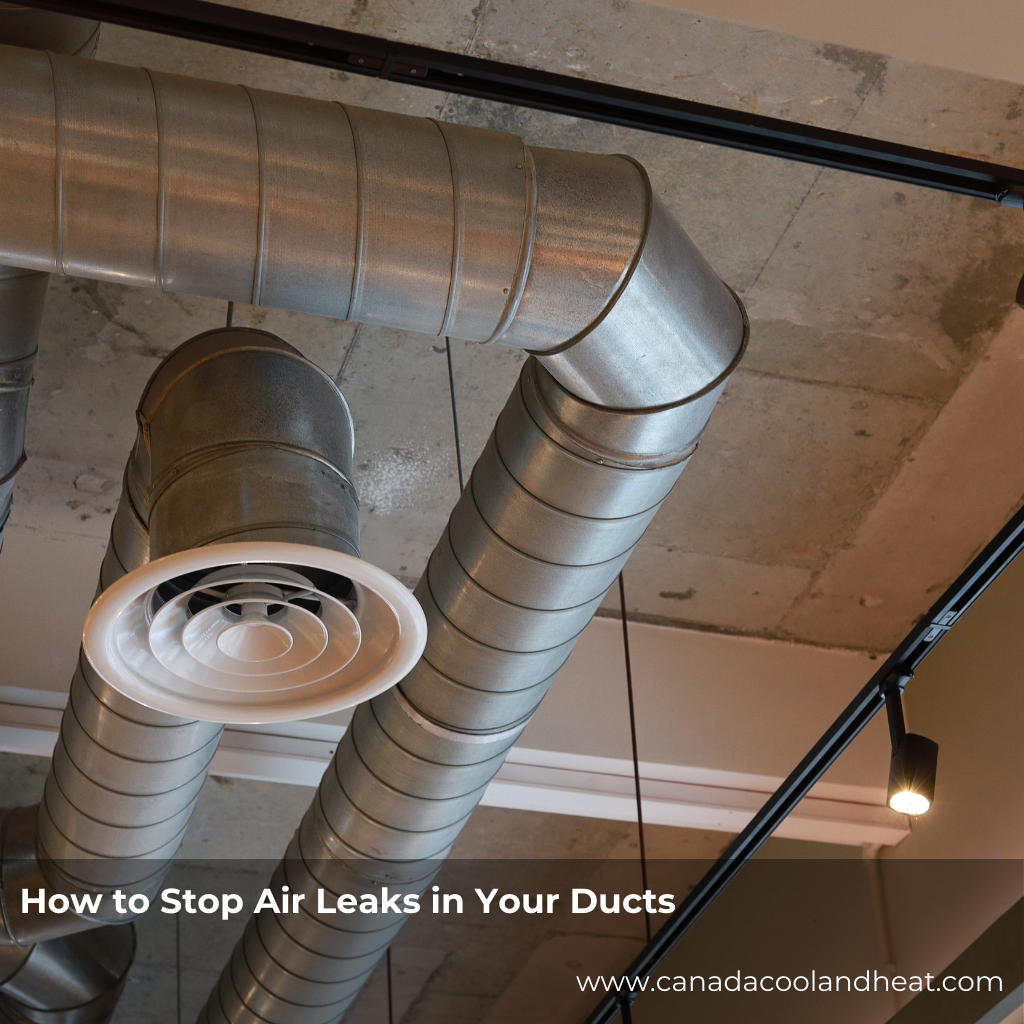
Use smooth, rigid metal ductwork
-
Keep runs as short and straight as possible
-
Use appropriate diameter (6″ minimum for up to 600 CFM)
-
Exhaust to the outside—never into an attic or crawl space
Mistake #4: Not Integrating HVAC with Vent Hood Design
Story Moment:
In Seattle, a homeowner upgraded to a professional-style vent hood but didn’t tell their HVAC installer. The result? Pressure imbalances threw off the home’s zoning system, heating some rooms while others froze.
Smart Integration Tips:
-
Involve your HVAC contractor when planning kitchen upgrades
-
Assess air balancing needs when adding high-CFM appliances
-
Consider zoned HVAC systems that can compensate for kitchen loads
-
Ask if your HVAC can work with automated dampers or smart sensors
Mistake #5: Forgetting to Test and Commission
Installation is just part of the job. The other half is testing and balancing.
What to Do Post-Installation:
-
Perform a blower door test if you’ve installed a high-CFM hood
-
Use an anemometer to measure airflow at vents
-
Confirm makeup air activates automatically when the hood turns on
-
Inspect all duct connections for leaks
Conclusion: Cook Comfortably, Breathe Easy
Kitchen ventilation isn’t just a matter of luxury—it’s essential for your health and your home’s HVAC balance. By avoiding the common mistakes above, especially when it comes to vent hood HVAC kitchens, you ensure your cooking space is safe, efficient, and comfortable.
Takeaway: When upgrading or installing a kitchen ventilation system, always consider airflow, size, makeup air, and HVAC integration. Consult HVAC and kitchen ventilation experts to avoid costly rework down the road.
FAQ: Vent Hood HVAC Kitchens
1. What is the ideal CFM rating for a residential kitchen vent hood?
For most homes, 300–600 CFM is sufficient, depending on cooktop size and type. Higher ratings may need makeup air.
2. Do all range hoods need makeup air?
Any vent hood rated above 400 CFM generally requires a makeup air system by code in many jurisdictions.
3. How does a range hood affect my HVAC system?
It alters pressure balance, which can reduce HVAC efficiency and create airflow issues if not properly designed.
4. Can I vent into the attic or garage?
No. All cooking ventilation should be ducted to the exterior to avoid moisture buildup and fire hazards.
5. Should I turn on my vent hood every time I cook?
Yes, even for boiling water. It helps remove moisture, heat, and invisible pollutants.
6. Can a smart home system help manage ventilation?
Yes! Some HVAC systems can integrate with range hoods and sensors to automate makeup air and pressure balancing.
7. What’s the best duct material for a range hood?
Rigid metal (galvanized steel or aluminum) with smooth walls is best for airflow and durability.
8. Is downdraft ventilation a good alternative?
Downdraft systems are less effective than overhead hoods and are best used when other options are unavailable.
9. How often should I clean my vent hood filters?
Every 1–3 months, depending on cooking frequency. Wash metal filters or replace charcoal filters as needed.
10. Can poor ventilation impact indoor humidity?
Absolutely. Cooking adds moisture, and without proper venting, it can strain your HVAC system and promote mold.