Why Proper Ventilation in Kitchens Matters
Cooking releases a cocktail of particles and gases: smoke, grease, moisture, and sometimes even carbon monoxide. Without a proper ventilation setup:
- Your indoor air quality drops significantly
- Odors linger in fabrics and surfaces
- Moisture buildup encourages mold growth
- The HVAC system becomes imbalanced, leading to drafts or pressure issues
A well-ventilated kitchen does more than clear the air—it keeps your entire home healthier and more energy-efficient.
How Range Hoods Impact HVAC Balance
Many people don’t realize that range hoods are like mini jet engines. High-CFM models (think 600 CFM and up) can quickly depressurize your home if there’s no air makeup strategy in place. Here’s how it affects your HVAC system:
- Negative Pressure: Powerful vent hoods pull air out of your home. Without a source of incoming air, they may pull air down chimneys or from attics—not ideal.
- HVAC Overcompensation: Your HVAC tries to stabilize pressure, which strains the system.
- Backdrafting: Dangerous gases from combustion appliances (like furnaces and water heaters) can get pulled back indoors.
Moral of the story: Even the best range hood can wreak havoc if not paired with proper HVAC planning.
Choosing the Right Range Hood Size
Now that you know why ventilation matters, let’s talk sizing. You want a vent hood that’s effective, but not overkill.
Step 1: Match to Your Cooktop
- Electric ranges: Aim for 100 CFM per linear foot of cooktop.
- Gas ranges: Target 150 CFM per linear foot.
Example: A 36″ gas cooktop needs a 450-600 CFM range hood.
Step 2: Consider Hood Type
- Under-cabinet hoods: Best for smaller spaces
- Wall-mounted or chimney hoods: Offer stronger ventilation and design appeal
- Island hoods: Require higher CFM due to open layout
Step 3: Check Ductwork & Makeup Air
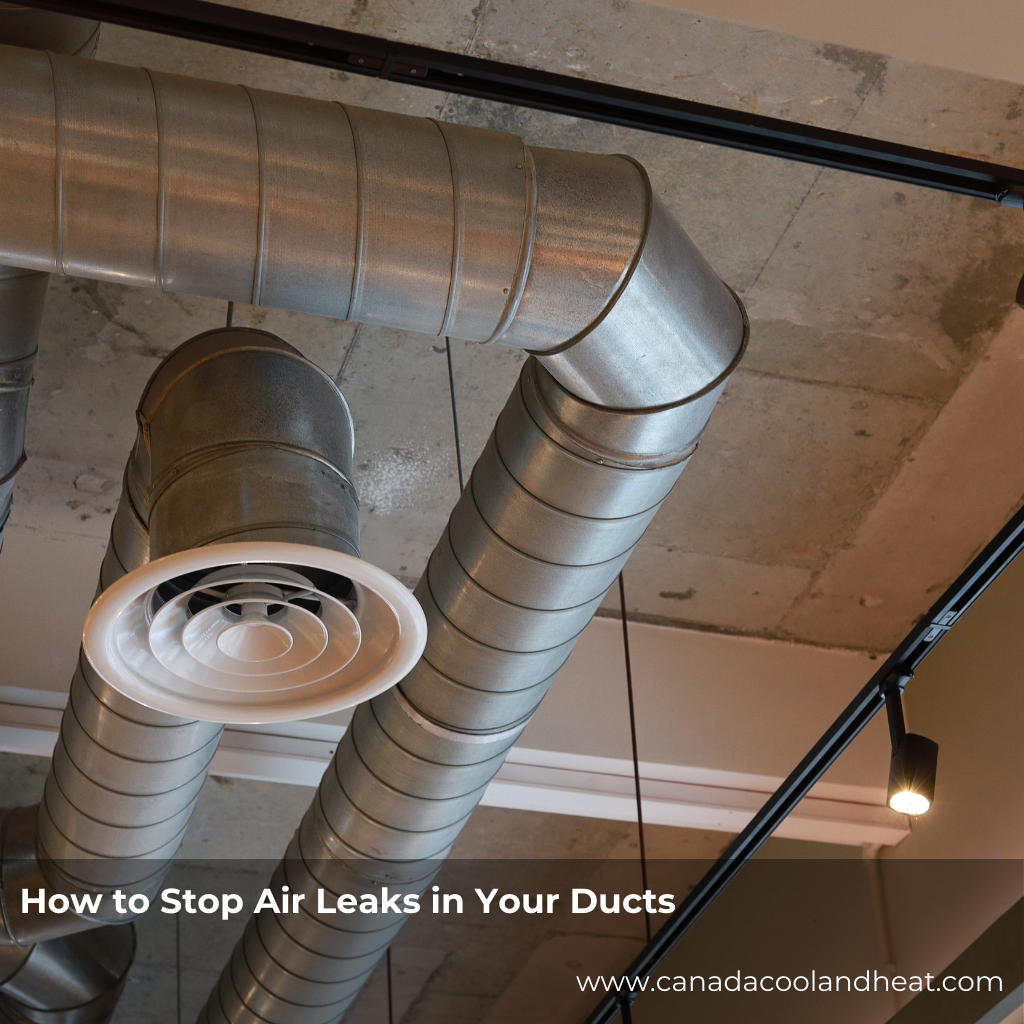
- Use smooth, rigid ducts, ideally 6″ or more in diameter
- Include a makeup air system if CFM exceeds 400 (code-required in many areas)
Integrating Range Hoods with Your HVAC System
Think of your HVAC and vent hood like roommates. They need boundaries, good communication, and shared responsibilities. Here’s how to help them get along:
- Install a makeup air system: It brings in fresh air to replace what the hood exhausts.
- Balance air returns: Avoid placing returns near the kitchen; it could pull grease and odors into ductwork.
- Seal and insulate ducts: Prevent heat loss and backdrafting.
- Upgrade to variable-speed HVAC systems: These adjust airflow more effectively alongside dynamic kitchen environments.
Final Thoughts: It’s More Than Just Cooking
When planning your dream kitchen or upgrading your HVAC system, remember: the humble range hood has the power to upset or enhance your home’s airflow.
Pairing the right vent hood with a well-planned HVAC system ensures you breathe easier, cook safer, and keep your comfort steady year-round.
So next time you wonder whether to replace your furnace with a heat pump, also ask: Is my kitchen ventilation doing its part?
FAQ: Vent Hood HVAC Kitchens
1. What is the ideal CFM for a kitchen range hood?
It depends on your cooktop type and size. Generally, 100 CFM per linear foot for electric ranges and 150 CFM for gas ranges.
2. Do I need makeup air for my range hood?
Yes, especially if your hood exceeds 400 CFM. It prevents negative pressure and is often required by building codes.
3. How does kitchen ventilation affect indoor air quality?
Proper ventilation removes smoke, moisture, and airborne particles, significantly improving indoor air and reducing mold risks.
4. Can a range hood affect HVAC efficiency?
Absolutely. A powerful hood can disrupt pressure balance, making your HVAC system work harder or even cause backdrafting.
5. What size duct is best for a range hood?
Use rigid ducts at least 6″ in diameter, or larger for higher CFM hoods. Avoid flexible ducting, which restricts airflow.
6. Should kitchen HVAC vents be closed or open?
Leave them open. Closing vents can create imbalance and hot/cold zones in your home.
7. Are island range hoods less effective?
Not less effective, but they require higher CFM due to their open-air setup and lack of surrounding cabinetry.
8. What are signs of poor kitchen ventilation?
Lingering smells, visible moisture, soot around walls or ceilings, and allergy flare-ups are common indicators.
9. Can a smart thermostat help with ventilation issues?
Yes, especially if it controls a variable-speed HVAC system. It can better manage pressure and airflow.
10. What is the best way to retrofit makeup air into an existing kitchen?
Use a passive or fan-assisted makeup air kit tied to your range hood, with automatic dampers and proper ducting.