
How HVAC Affects Sleep Quality
Introduction: Why Kitchen Ventilation Matters Imagine you’ve just finished cooking a sizzling stir-fry. The aroma is tempting, but so are the plumes of steam, grease, and smoke drifting through the kitchen. Without proper ventilation, that “delicious” smell lingers long after dinner—sometimes settling into furniture, carpets, or even bedrooms. This is where vent hood HVAC kitchens […]
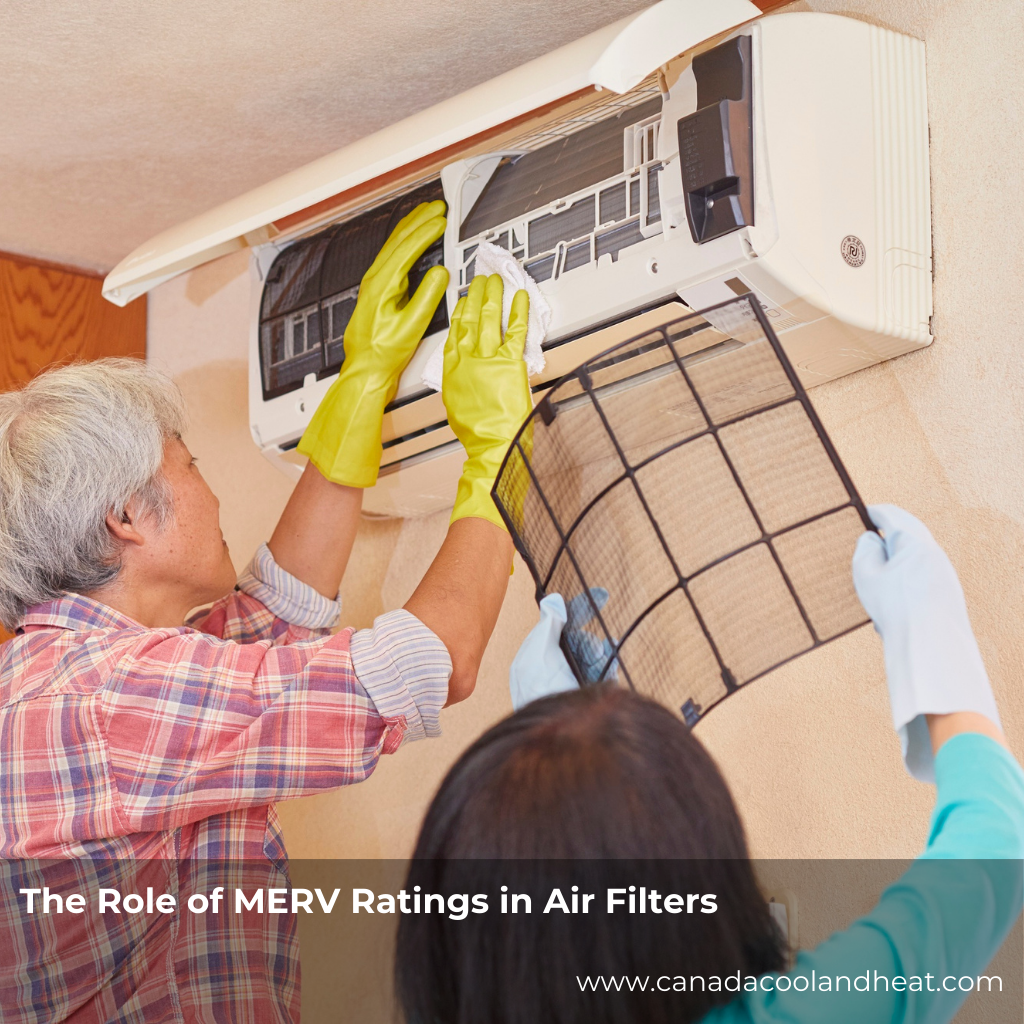
The Role of MERV Ratings in Air Filters
Why Ventilation Matters in Kitchens Cooking releases a cocktail of byproducts into the air: Grease particles that cling to surfaces Smoke and odors that linger long after a meal Moisture that fuels mold growth Heat that can overwhelm HVAC systems A vent hood serves as the first line of defense. It captures airborne pollutants and […]
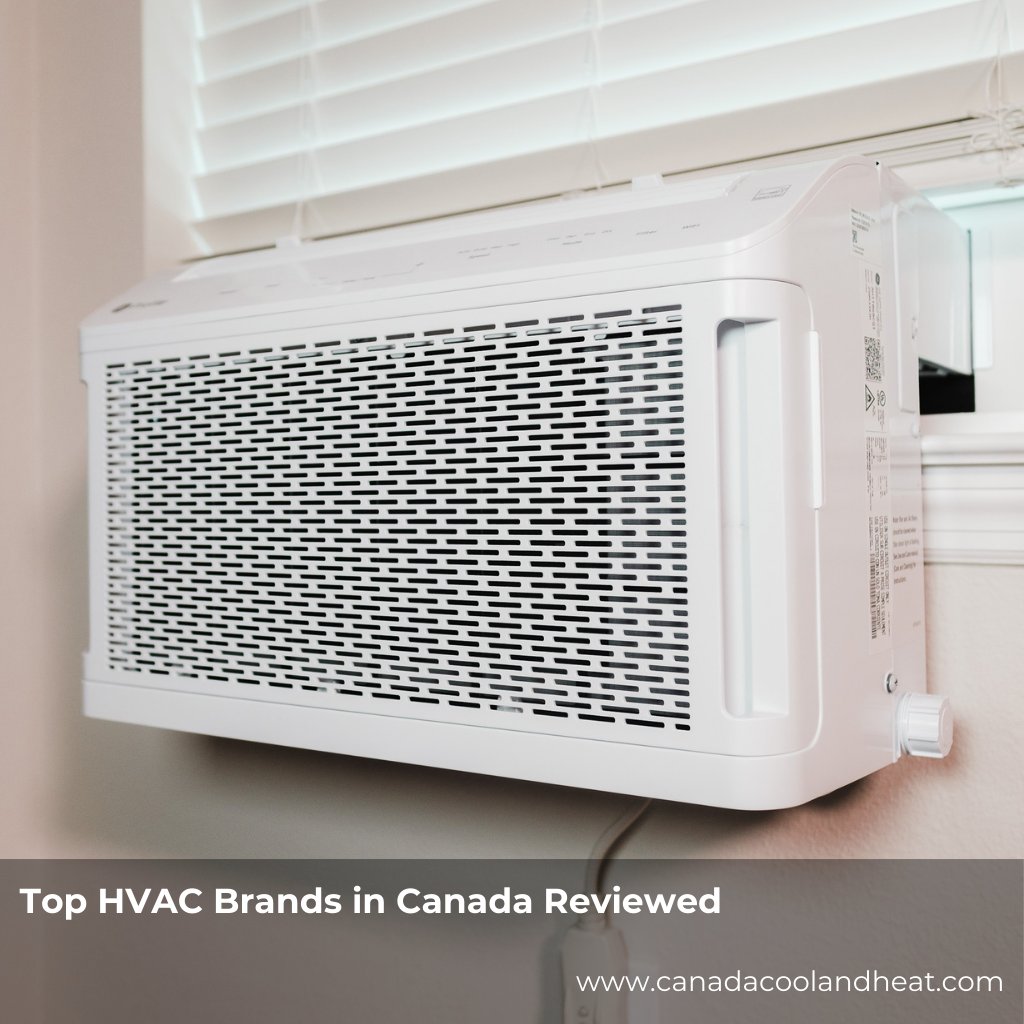
Top HVAC Brands in Canada Reviewed
Why Ventilation Matters in Cooking Cooking releases heat, grease particles, smoke, and even harmful gases like carbon monoxide. Without the right ventilation, these contaminants can spread through your home and get trapped in your HVAC system. Heat & Moisture: Adds load to HVAC systems. Grease Particles: Stick to ducts and filters, reducing efficiency. Odors: Linger […]
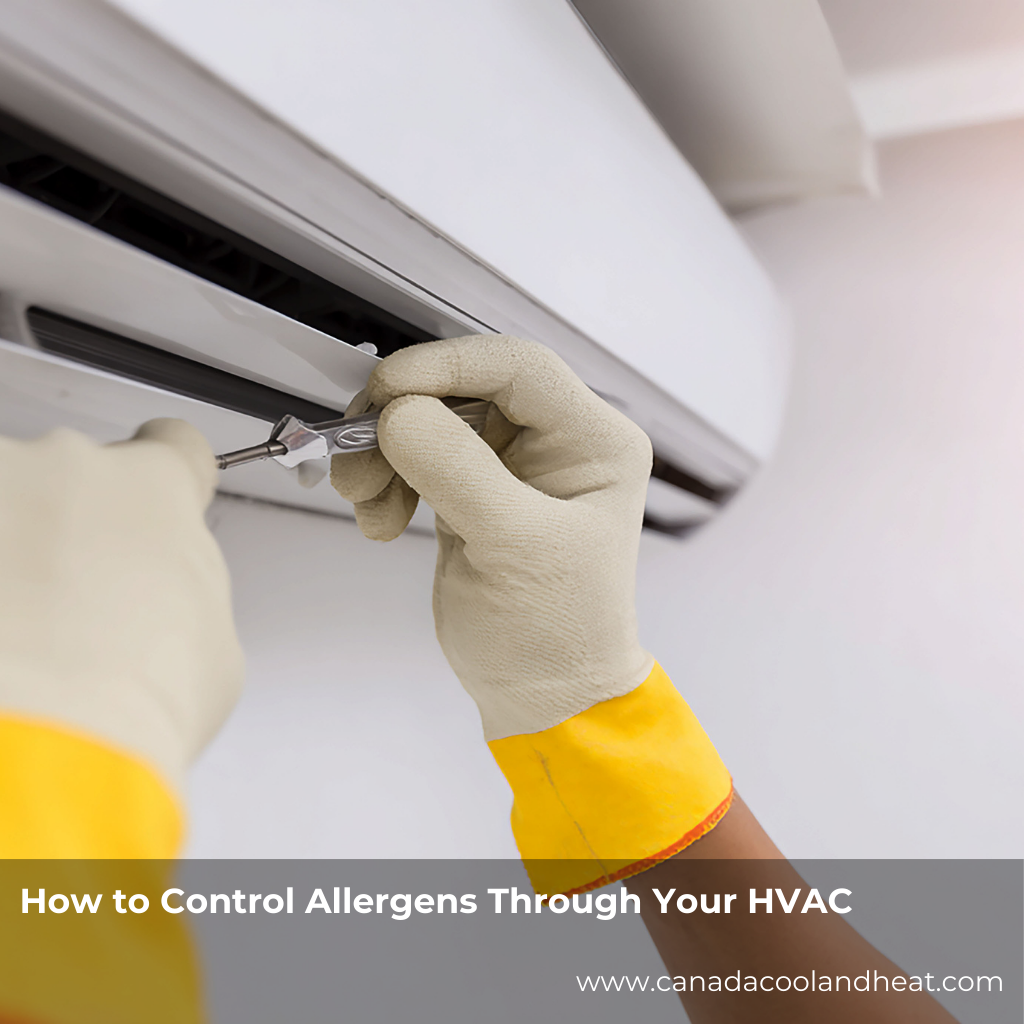
How to Control Allergens Through Your HVAC
Why Proper Ventilation Matters When Cooking Cooking releases more than just pleasant aromas. It also produces: Smoke and grease particles that stick to surfaces and trigger allergies. Moisture that can encourage mold growth. Volatile organic compounds (VOCs) from high-heat cooking oils. Odors that spread beyond the kitchen. Without proper airflow, these contaminants circulate through your […]
How to Lower HVAC Bills in Winter
The Story Begins in the Kitchen Imagine this: it’s a frosty evening, and you’re making a hearty soup. The steam, aromas, and occasional sizzle all head straight toward your kitchen vent hood. What many homeowners don’t realize is that the very system whisking away those cooking fumes can also impact your HVAC balance—and, in turn, […]
What to Expect During HVAC Installation
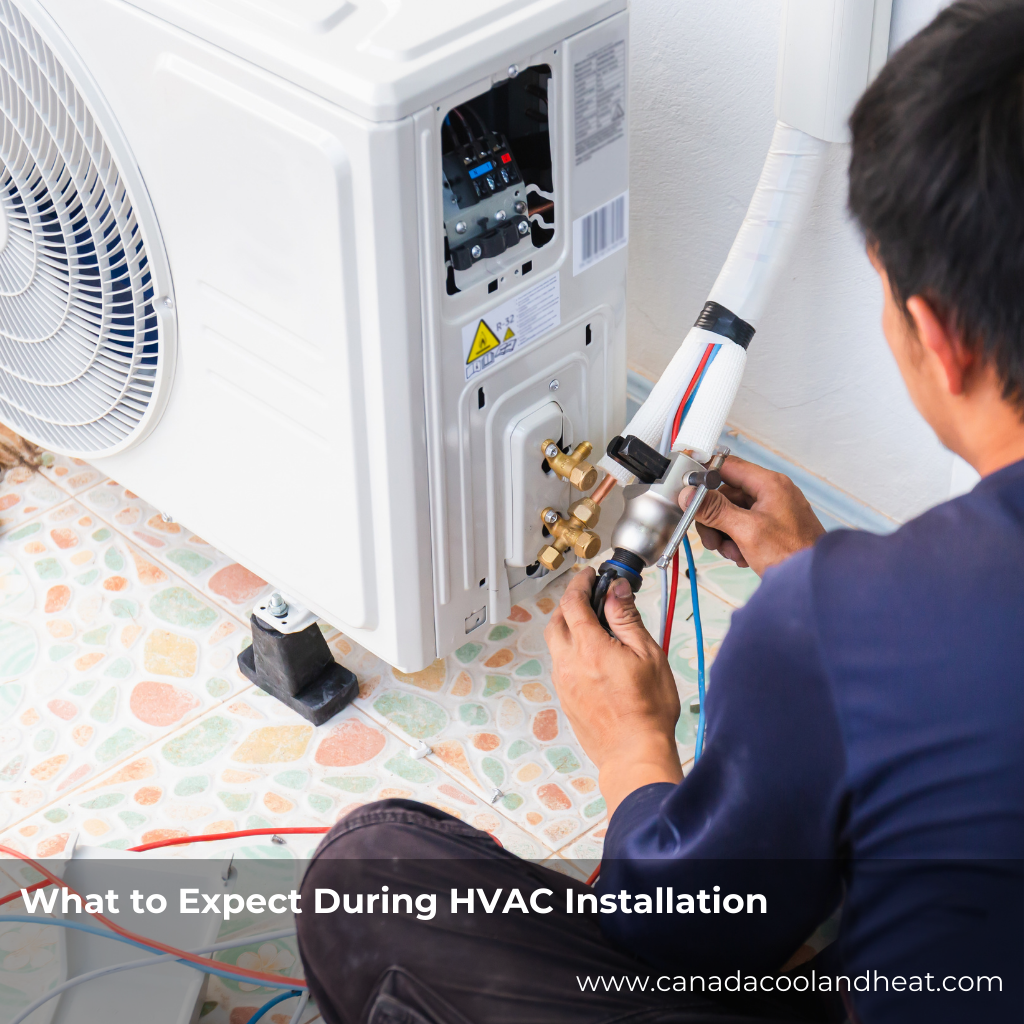
Why Proper Kitchen Ventilation Matters Cooking generates more than just delicious aromas—it also releases smoke, grease, carbon monoxide, and moisture into the air. Without the right ventilation system, these contaminants can: Collect on cabinets and walls, causing sticky buildup Lower indoor air quality and trigger allergies or asthma Create excess humidity that strains your HVAC […]
Best Air Purifiers to Use with HVAC Systems
Why Proper Kitchen Ventilation Matters Cooking produces more than just tasty food. It also releases: Smoke and steam that can linger in the air. Grease particles that settle on surfaces. Carbon monoxide and nitrogen dioxide from gas ranges. Strong odors that travel beyond the kitchen. Without a good ventilation strategy, these pollutants don’t just stay […]
Does Closing Vents Save Energy?
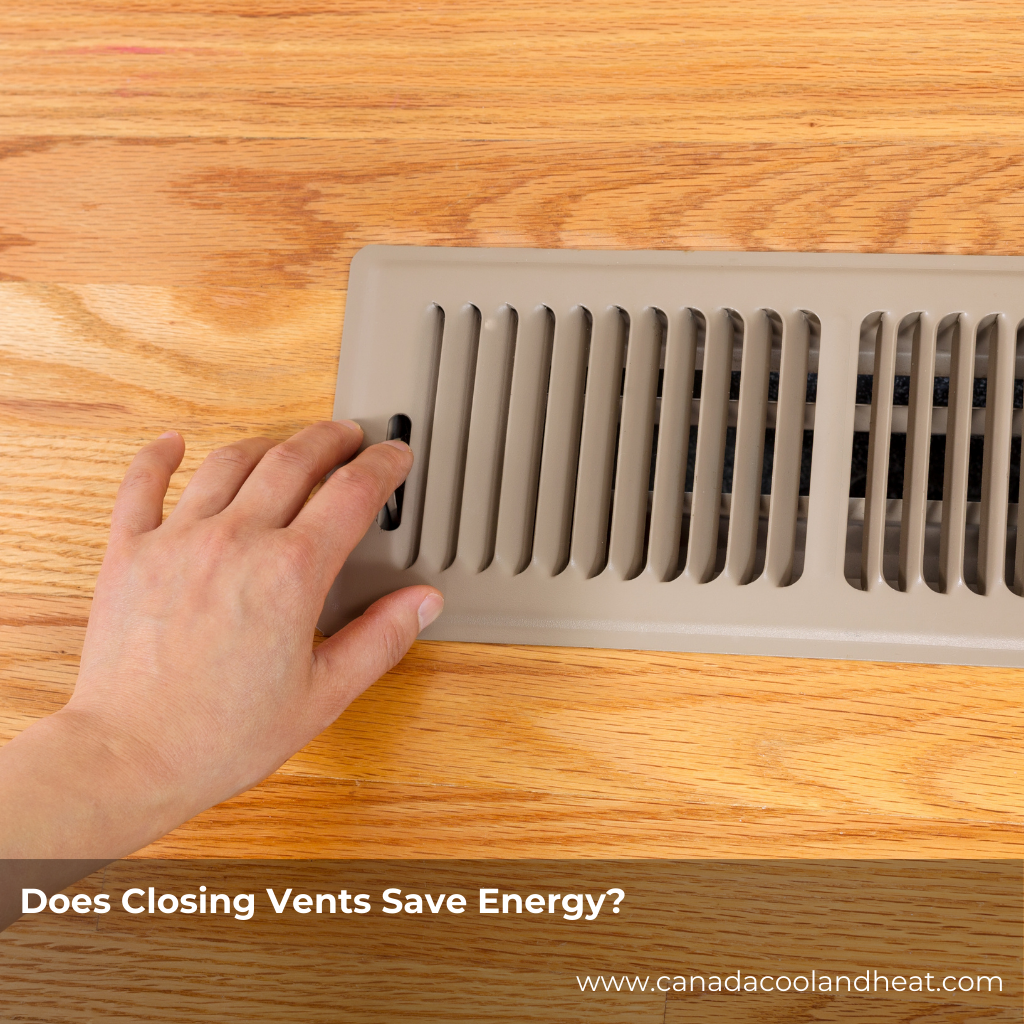
Why Closing Vents Doesn’t Save Energy Your HVAC system is designed to move a certain amount of air through the ducts, no matter what. When you close a vent: Airflow is restricted → Your blower motor still pushes the same volume of air, but with fewer outlets, pressure builds inside the ducts. Strain increases → […]
Benefits of Installing a Heat Recovery Ventilator
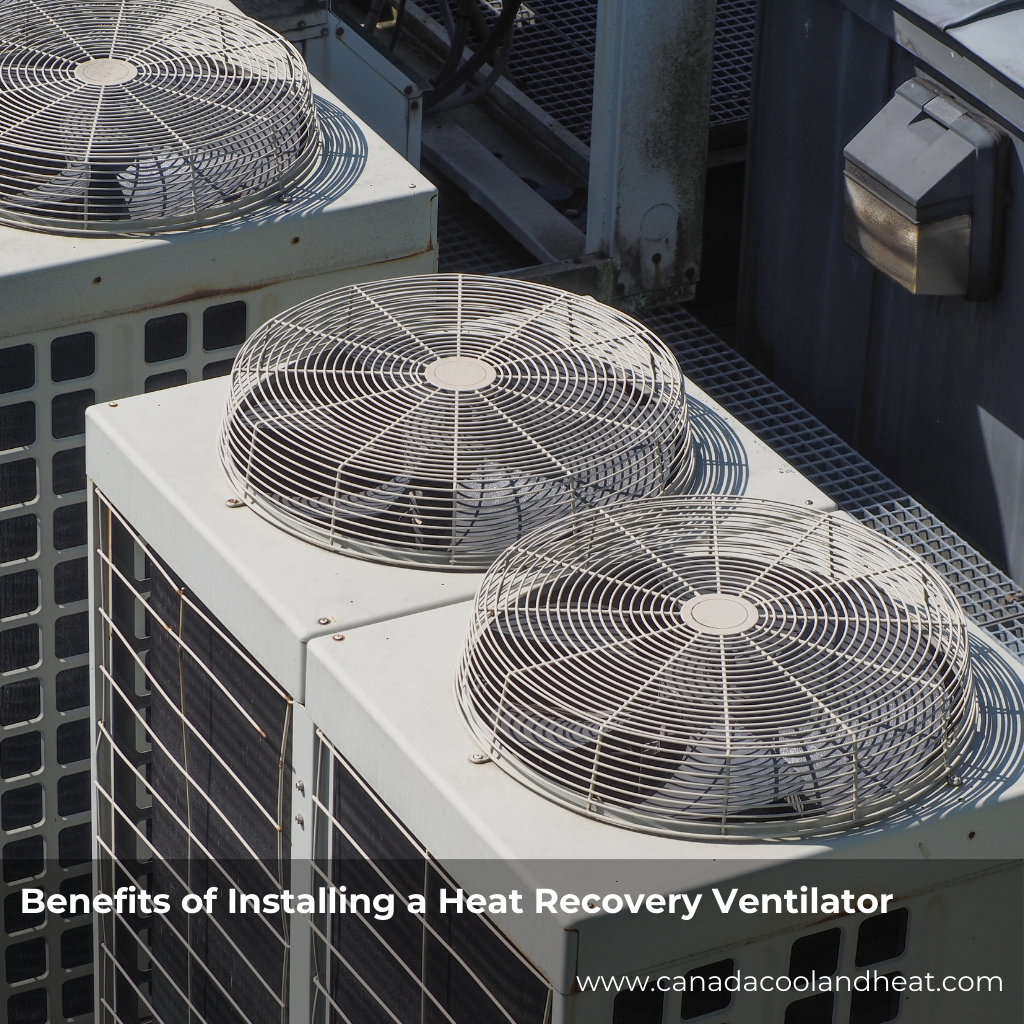
Why Proper Kitchen Ventilation Matters Cooking releases more than just aromas. Each time you sauté, fry, or boil, you release: Moisture – leading to condensation and potential mold growth. Particles – grease and oils that cling to cabinets and walls. Combustion byproducts – like carbon monoxide from gas burners. Without good ventilation, these pollutants stay […]
Best Ways to Ventilate Your Basement
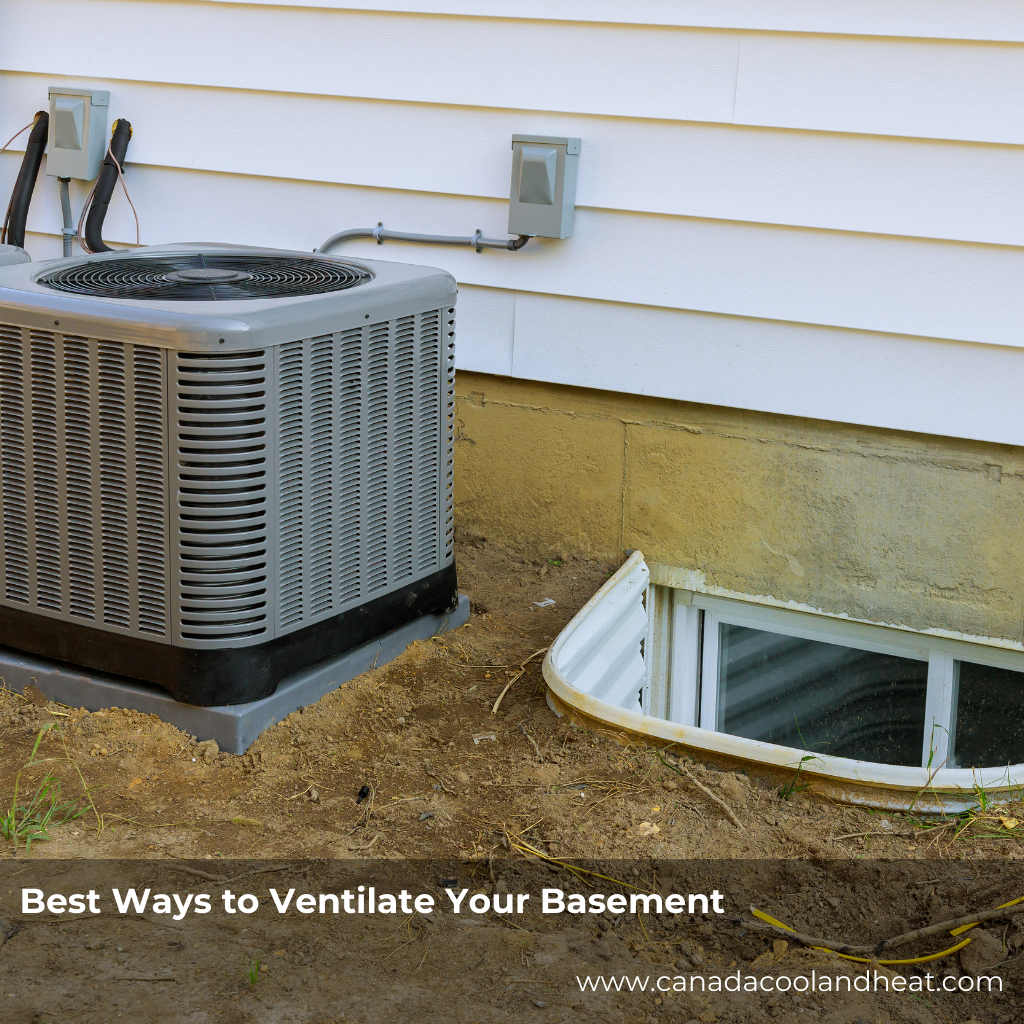
Why Basement Kitchens Are Tricky to Ventilate Basements naturally have poor airflow. Unlike upper levels, they’re partially underground and often lack large windows. When you add a stove or cooktop, you introduce heat, smoke, grease, and moisture into an already confined space. Without the right system in place, this leads to: Persistent food odors that […]