Why Proper Ventilation Matters in Cooking
Cooking may be an everyday activity, but it produces a surprising amount of airborne contaminants. Without proper ventilation, these can linger and cause problems.
Here’s what’s released into the air when you cook:
-
Grease particles that cling to walls, ceilings, and ducts.
-
Moisture and steam that increase humidity, leading to mold and mildew.
-
Smoke and odors that stick around long after the meal is done.
-
Carbon monoxide (CO) and other combustion byproducts from gas stoves.
Good ventilation serves two main purposes:
-
Protects your health by reducing exposure to pollutants and allergens.
-
Preserves your kitchen by limiting buildup on surfaces and inside ducts.
How Range Hoods Impact HVAC Balance
Your vent hood doesn’t operate in isolation—it’s directly tied to your home or commercial HVAC system. Think of it as part of a bigger breathing mechanism for your building.
-
Airflow balance: A strong vent hood pulls air out of the kitchen. If it removes too much air without proper replacement (makeup air), your HVAC system struggles. This can create negative pressure, drawing in outdoor air through cracks or pulling exhaust fumes back into living areas.
-
Energy efficiency: Oversized or unbalanced hoods waste energy, forcing your HVAC system to work harder to maintain comfortable temperatures.
-
Indoor air quality: If your vent hood is dirty or undersized, contaminants bypass the system, circulating through the house and lowering overall air quality.
👉 Regular duct cleaning ensures that grease and debris don’t block airflow. A clear duct means your hood runs more efficiently and your HVAC system doesn’t have to fight unnecessary resistance.
Sizing Guidelines for Vent Hood HVAC Kitchens
Choosing the right vent hood is more than picking a style—it’s about function. The wrong size can mean poor performance, wasted energy, or even safety issues. Here are some practical guidelines:
1. Width of the Hood
-
The hood should be at least as wide as the cooking surface.
-
For best results, extend 3 inches beyond each side of the cooktop.
2. CFM (Cubic Feet per Minute)
The CFM rating tells you how much air the hood can move. The higher the heat output of your cooktop, the more CFM you’ll need.
-
Gas ranges: About 100 CFM per 10,000 BTUs of burner output.
-
Electric ranges: 100 CFM per 12 inches of stove width.
-
High-output ranges: Some commercial-style appliances may need 600–1,200 CFM.
3. Duct Size & Length
-
Always match duct size to the hood’s requirements—too small, and you choke the system.
-
Keep duct runs short and with minimal bends to reduce airflow resistance.
4. Makeup Air
For residential kitchens: If your hood exceeds 400 CFM, most building codes require a makeup air system. This ensures your HVAC stays balanced and prevents back-drafting of appliances like water heaters.
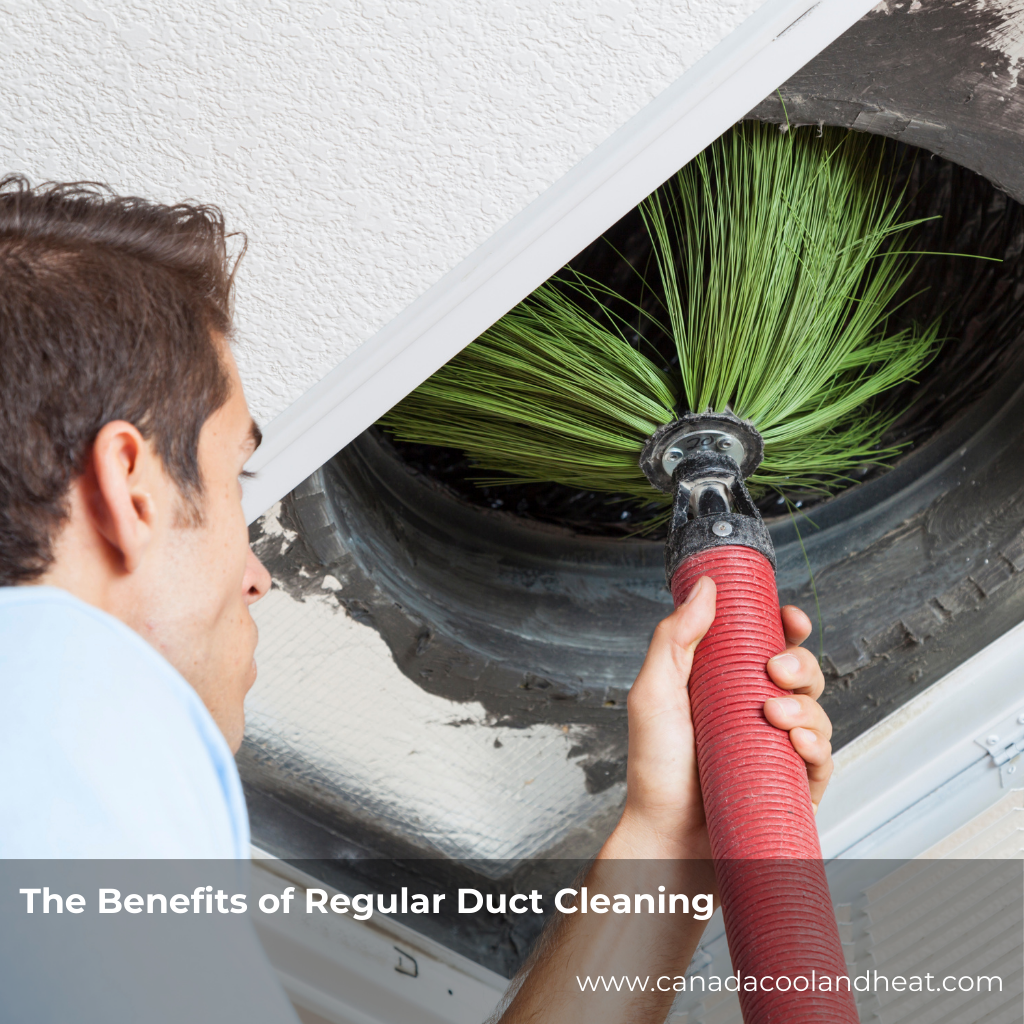
The Benefits of Regular Duct Cleaning
Even the best-sized vent hood won’t perform well if the ducts are clogged. Grease buildup narrows airflow, reduces efficiency, and becomes a fire hazard. Regular cleaning provides:
-
Improved safety: Grease in ducts is highly flammable. Cleaning reduces fire risks.
-
Better air quality: Removes lingering odors, smoke, and contaminants.
-
Longer system life: Keeps fans, filters, and HVAC equipment from overworking.
-
Energy savings: Clear ducts mean smoother airflow and lower utility costs.
👉 For commercial kitchens, duct cleaning is often required every 3–6 months. For residential use, once every 1–2 years is typically sufficient, depending on how often you cook.
Conclusion
Cooking should be enjoyable—not something that compromises your health, comfort, or safety. By investing in the right vent hood size, maintaining HVAC balance, and scheduling regular duct cleaning, you create a kitchen environment that works as beautifully as the meals you prepare.
So the next time you fire up the stove, take a moment to appreciate the silent partnership between your vent hood and HVAC system. It’s the unsung hero keeping your kitchen fresh, your air clean, and your home safe.
FAQs
1. How often should I clean my kitchen ductwork?
For homes, every 1–2 years is usually enough. Restaurants or commercial kitchens should clean every 3–6 months.
2. What happens if my vent hood is too powerful?
An oversized hood can disrupt HVAC balance, create negative pressure, and increase energy bills if there’s no makeup air system.
3. Can I clean my vent hood ducts myself?
Surface filters and grease traps can be cleaned at home, but deep duct cleaning is best left to professionals with the right tools.
4. Does a ductless (recirculating) hood need cleaning?
Yes—though it doesn’t vent outside, filters still collect grease and odors and need regular maintenance.
5. What’s the difference between commercial and residential hoods?
Commercial hoods are larger, higher CFM, and must meet strict fire codes, while residential hoods focus more on comfort and energy efficiency.
6. What is makeup air, and why does it matter?
Makeup air is fresh air brought in to replace what the hood exhausts. Without it, your HVAC system may struggle and harmful gases can backdraft.
7. Are stainless steel hoods better?
Stainless steel is durable, easy to clean, and resists corrosion—making it the most popular choice for both homes and restaurants.
8. Can dirty ducts affect my health?
Yes. Grease, mold, and contaminants in ducts can worsen allergies, trigger asthma, and lower overall indoor air quality.