Why Proper Kitchen Ventilation Matters
Cooking releases heat, grease, moisture, and a surprising number of airborne particles. Without proper ventilation, these contaminants linger, making your kitchen (and your whole home) less comfortable and less healthy. Here’s what can happen without a well-designed vent hood:
- Lingering Odors: Cooking smells can seep into fabrics and furniture.
- Grease Build-Up: Tiny grease particles cling to surfaces and ducts.
- Excess Humidity: Moisture can cause condensation, mold, and HVAC inefficiency.
- Poor Air Quality: Combustion from gas stoves can release carbon monoxide and nitrogen dioxide.
A vent hood’s job is simple: capture, contain, and exhaust contaminants. But in practice, it’s also a key player in maintaining overall air balance.
How Range Hoods Affect HVAC Balance
Your HVAC system and your range hood share a delicate relationship. When you switch on a powerful vent hood, it pulls air from your kitchen and exhausts it outdoors. The problem? That air must be replaced somehow.
If your vent hood pulls out more air than your HVAC system can supply, it creates negative pressure inside the home. That can cause:
- Backdrafting: Outdoor air, or even exhaust from fireplaces and water heaters, can be pulled back indoors.
- Reduced Efficiency: Your HVAC must work harder to rebalance airflow.
- Temperature Fluctuations: Drafts and uneven temperatures become common.
In short, your vent hood can disrupt your HVAC’s rhythm if it’s not properly integrated. The fix lies in careful sizing and make-up air planning.
Sizing Guidelines: Finding the Right Vent Hood for Your Kitchen
A properly sized vent hood ensures you’re removing enough air to keep your kitchen fresh—but not so much that you destabilize your home’s air pressure. Here’s how to strike the right balance:
1. Know Your Cooktop Type
- Electric or Induction: 100 CFM (cubic feet per minute) for every 10 inches of cooktop width.
- Gas Ranges: 100–120 CFM for every 10 inches, since they generate more heat and fumes.
2. Consider Hood Mounting Height
- Mount between 24 to 30 inches above the cooktop for optimal capture.
- Higher installations require stronger fans.
3. Size Your Hood Width
- The hood should be at least as wide as your cooking surface, ideally extending 3 inches beyond on each side.
4. Calculate Make-Up Air Needs
- Vent hoods over 400 CFM may require a make-up air system to supply replacement air.
- This system integrates with your HVAC to prevent negative pressure.
5. Duct Design Matters
- Short, straight ducts improve airflow and efficiency.
- Avoid sharp bends and undersized ducting—it forces your fan to work harder.
Integrating Vent Hoods with HVAC Systems
To create harmony between your HVAC and vent hood, a few smart strategies go a long way:
- Use a Make-Up Air Damper: Automatically brings in fresh air when the vent hood is operating.
- Balance Airflow: Have your HVAC technician perform an airflow test to fine-tune your system.
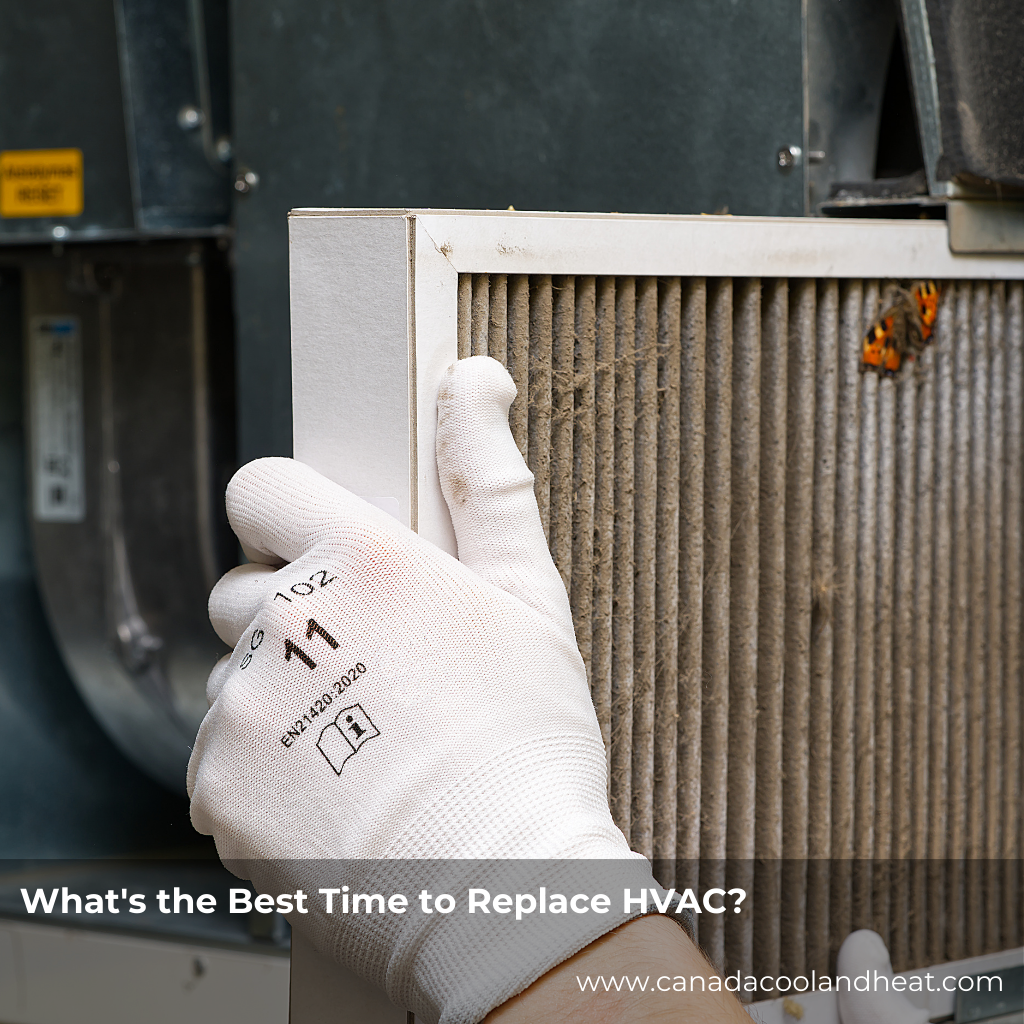
- Upgrade Filters: Use high-efficiency filters to keep grease and smoke from recirculating.
- Coordinate with Your HVAC Installer: When installing a new system, discuss your kitchen ventilation setup early.
Proper coordination ensures your system operates smoothly, keeping your kitchen comfortable year-round.
The Cost of Installing a New HVAC System
While the vent hood is just one piece of your home’s air ecosystem, installing a new HVAC system offers the perfect opportunity to improve ventilation. Here’s what to expect in terms of costs:
| System Type | Average Cost (Installed) | Lifespan |
|---|---|---|
| Central AC + Furnace | $7,500 – $12,000 | 15–20 years |
| Heat Pump System | $8,000 – $15,000 | 15 years |
| Ductless Mini-Split | $4,000 – $10,000 | 20 years |
Add-on Ventilation Improvements:
- Make-Up Air System: $800–$2,000
- High-Efficiency Range Hood: $500–$2,500
- Ductwork Modifications: $1,000–$3,500
When coordinated properly, these upgrades create a seamless, efficient indoor environment.
Conclusion: Balance Is Everything
Proper ventilation isn’t just about clearing the air—it’s about maintaining a balanced, efficient, and healthy home. When your vent hood HVAC kitchen systems work together, you’ll enjoy cleaner air, better comfort, and lower energy bills. Before you install your next HVAC system, make sure your kitchen ventilation is part of the conversation.
FAQs About Vent Hood HVAC Kitchens
1. How do I know if my kitchen vent hood is too powerful?
If your home feels drafty or your doors slam when the hood is on, your system might be creating negative pressure.
2. Can I vent my hood into the attic instead of outside?
No—venting indoors can lead to moisture and grease buildup, which may cause mold or fire risks.
3. How often should I clean my range hood filters?
At least once a month for frequent cooks. Grease buildup reduces efficiency and airflow.
4. Do all hoods require make-up air systems?
Only those rated above 400 CFM typically need them, but it’s best to check local building codes.
5. What’s the ideal duct length for a vent hood?
Keep it under 30 feet with minimal bends to maintain proper airflow.
6. Can my HVAC technician handle vent hood installation?
Yes, many HVAC professionals can coordinate ventilation systems, ensuring balanced airflow.
7. How can I improve indoor air quality beyond ventilation?
Use HEPA filters, maintain your HVAC regularly, and keep humidity between 30–50%.
8. Does kitchen ventilation affect energy bills?
Yes—inefficient hoods or unbalanced airflow can cause your HVAC to work harder, raising costs.
9. Are ductless range hoods effective?
They filter air but don’t exhaust it outdoors. Ideal for apartments, but less effective for heavy cooking.
10. Should I upgrade my vent hood when replacing my HVAC?
Absolutely. Coordinating both ensures efficient air balance and comfort throughout your home.