Why Proper Ventilation Matters in Cooking
A kitchen isn’t just a place to prepare meals — it’s a miniature climate system. Cooking releases:
-
Heat
-
Moisture
-
Smoke and particulates
-
Odors
-
Grease vapor
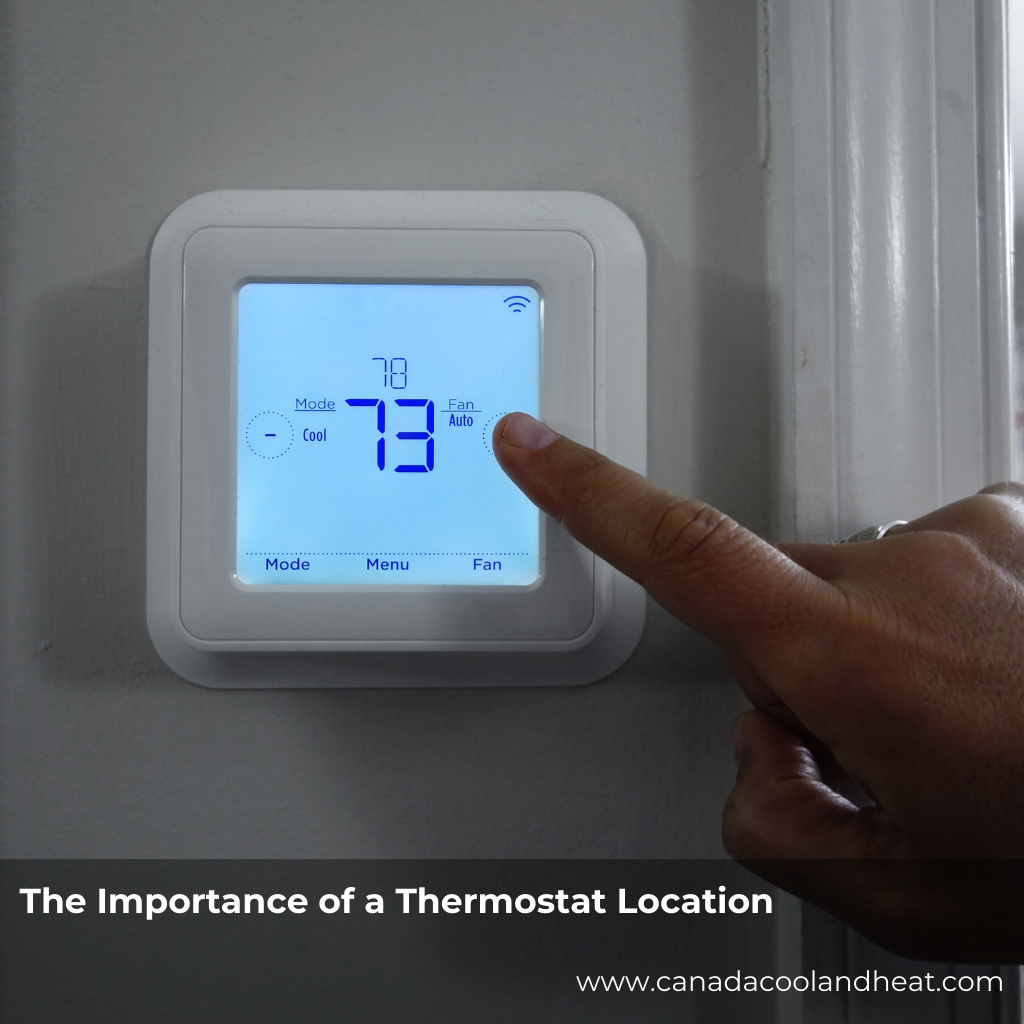
These contaminants linger without an effective vent hood. When hot air builds up, your thermostat — usually placed in a hallway or living space — senses rising temperatures and signals the HVAC system to cool, even if the rest of the house is perfectly comfortable.
The Chain Reaction
-
You turn on the stove.
-
Heat rises and spreads toward your thermostat.
-
The thermostat “thinks” the house is warming up.
-
The HVAC system runs harder to compensate.
This is why a well-designed vent hood isn’t only about fresh air — it’s about keeping your HVAC system honest.
How Range Hoods Affect HVAC Balance
Many homeowners know their vent hood removes smoke and odors, but few realize it also removes conditioned air. And depending on your hood’s power, it might remove a lot.
The Push–Pull Effect
A vent hood on high speed creates significant negative pressure in the kitchen. The air it exhausts must be replaced from somewhere — the path of least resistance. That can be:
-
Gaps in windows
-
Leaks around doors
-
The fireplace (dangerous backdrafting)
-
Other rooms
-
The HVAC system’s duct leakage
Pulling air back through the HVAC system disrupts balance and increases workload.
Kitchen HVAC Imbalance Symptoms
-
Rooms far from the kitchen become colder or hotter
-
The AC runs longer than expected
-
Drafts appear around doors or windows
-
The vent hood sounds louder than usual
-
Cooking odors linger because air isn’t replaced efficiently
The interplay between your hood and HVAC isn’t accidental — it’s physics at work.
Sizing Guidelines: Choosing the Right Vent Hood
Selecting the right CFM (cubic feet per minute) rating for your vent hood is crucial for both ventilation and HVAC balance.
Basic Sizing Rules
For electric cooktops:
-
Minimum: 100 CFM for every 10 inches of cooktop width
-
Example: A 30-inch electric cooktop → ~300 CFM
For gas cooktops:
-
1 CFM per 100 BTUs of burner capacity
-
A standard 50,000 BTU cooktop → ~500 CFM
For professional-style ranges:
-
600–1200 CFM is common
-
Higher heat requires more ventilation
The Make-Up Air Factor
Most building codes require make-up air (MUA) for hoods over 400 CFM.
Make-up air restores pressure equilibrium by supplying filtered, tempered air to replace what the hood removes.
Without MUA, a strong hood can:
-
Create severe negative pressure
-
Pull air from chimneys (CO danger)
-
Increase HVAC costs
-
Disrupt airflow throughout the home
Duct Length and Design Considerations
A vent hood isn’t only about CFM — duct design impacts performance:
-
Keep duct runs as short and straight as possible
-
Use smooth metal ductwork (not flex duct)
-
Avoid excessive elbows
-
Maintain proper duct diameter (commonly 6″–10″)
How Ventilation Ties Into Thermostat Location
Even with a correctly sized hood, poor thermostat placement can cause continuous comfort problems.
If Your Thermostat Is Too Close to the Kitchen
-
The AC cycles on too soon
-
The furnace may short-cycle
-
Energy bills rise
-
Temperature swings feel exaggerated
Ideal Thermostat Placement
-
Central location, away from major heat sources
-
Not facing direct sunlight
-
Not near supply vents
-
Not near the kitchen doorway
-
Mounted 52–60 inches from the floor
A perfectly placed thermostat paired with balanced kitchen ventilation keeps your home stable, comfortable, and energy-efficient.
Putting It All Together: A Balanced Kitchen Climate
When ventilation, HVAC airflow, and thermostat placement work together, your kitchen becomes a comfortable, functional part of your home rather than a heat-driven microclimate.
A well-sized hood removes contaminants.
Make-up air balances pressure.
Proper thermostat placement ensures the HVAC system responds accurately.
It’s a recipe for both comfort and efficiency.
Conclusion
Kitchen ventilation isn’t just about eliminating smoke — it’s a system that directly affects comfort, HVAC operation, and household energy use. By selecting the right vent hood size, providing adequate make-up air, and ensuring proper thermostat placement, you create a kitchen environment that runs smoothly without straining the rest of your home.
If you’re planning a remodel or upgrading your cooking equipment, consider airflow as carefully as you consider appliances. Your home — and your thermostat — will thank you.
FAQs
1. How many CFM should my kitchen vent hood be?
Electric cooktops need about 300 CFM for a 30-inch cooktop. Gas ranges need 1 CFM per 100 BTUs. High-powered ranges may require 600–1200 CFM.
2. Does a stronger vent hood affect my HVAC system?
Yes. High-CFM hoods remove conditioned air, potentially creating negative pressure that forces the HVAC to work harder.
3. Do I need make-up air?
Many codes require MUA for hoods over 400 CFM. It restores pressure balance and improves ventilation performance.
4. Why does my kitchen get hot even with a hood running?
Your hood may be undersized, improperly ducted, or it may lack adequate make-up air to move heat effectively.
5. Can thermostat placement affect kitchen comfort?
Absolutely. If placed near the kitchen, the thermostat may read heat spikes and cause the HVAC to overreact.
6. How often should I clean my vent hood filters?
Most homes should clean filters every 1–3 months, depending on cooking frequency.
7. Are ductless hoods good for HVAC balance?
They don’t remove air, but they also don’t vent contaminants outdoors. They’re gentler on HVAC systems but less effective for heavy cooking.