The Overlooked Link: Kitchen Ventilation and Your Furnace
Imagine cooking a big holiday dinner: pots boiling, pans sizzling, and the oven humming. Without proper ventilation, all that heat, grease, and humidity spills into your living space. Your vent hood is designed to capture these contaminants and move them outdoors.
But here’s the catch—ventilation isn’t just about fresh air. It also affects your home’s pressure balance, which your furnace relies on.
-
Poor ventilation can trap moisture, which seeps into ducts and stresses your heating system.
-
Oversized vent hoods can pull too much air, creating negative pressure that forces your furnace to work harder.
-
Balanced ventilation keeps your indoor air healthy without straining the furnace.
How Range Hoods Impact HVAC Balance
A range hood does more than whisk away smoke—it changes the way air flows through your home. That air has to be replaced somehow, and if the hood is too strong, it can pull air from places you don’t want, like furnace flues or drafty windows.
Key Effects on HVAC Systems:
-
Negative Pressure Issues: If your hood is oversized, it can pull combustion gases back into the house instead of venting them outdoors (a dangerous condition called backdrafting).
-
Energy Loss: Constantly pulling out conditioned air (warm in winter, cool in summer) makes your furnace and AC cycle more often.
-
Comfort Imbalance: Poorly sized or unvented hoods may leave some rooms stuffy while others feel drafty.
That’s why maintaining your furnace isn’t just about the unit itself—it’s about the ecosystem of air movement in your home.
Sizing Guidelines for Vent Hoods in HVAC Kitchens
Not all kitchens (or hoods) are created equal. The right size depends on your cooking style, stove type, and the size of the space. Choosing wisely helps protect both your indoor air quality and your HVAC system.
General Rules of Thumb:
-
Electric cooktops: Aim for 100 CFM (cubic feet per minute) per linear foot of stove.
-
Gas ranges: Need more—about 150 CFM per linear foot.
-
Hood width: Should be equal to or slightly wider than your cooking surface.
-
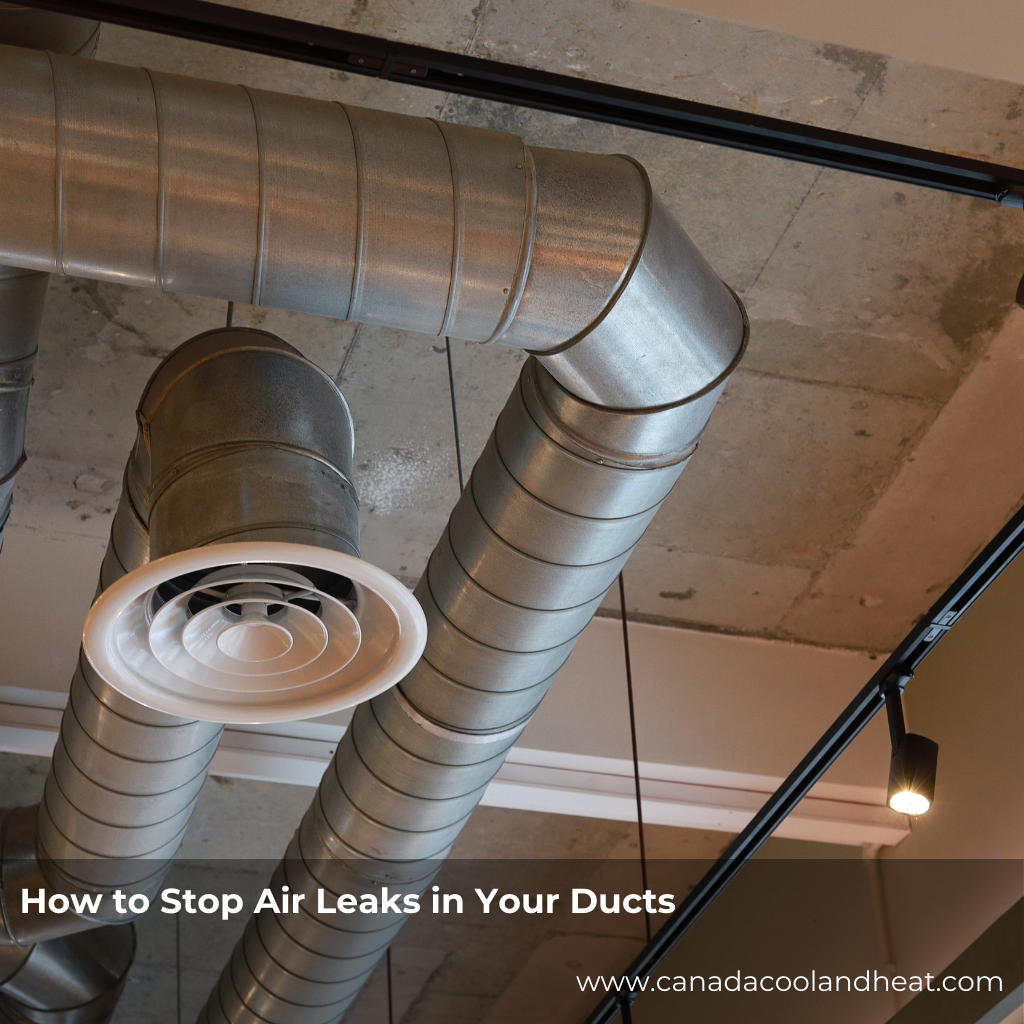
Duct size: Bigger is better—narrow ducts restrict airflow and stress both the hood and HVAC system.
👉 Pro Tip: Always balance your hood with a make-up air system if it exceeds 400 CFM. This ensures fresh air replaces what the hood exhausts without pulling against your furnace.
Practical Furnace Maintenance Tips
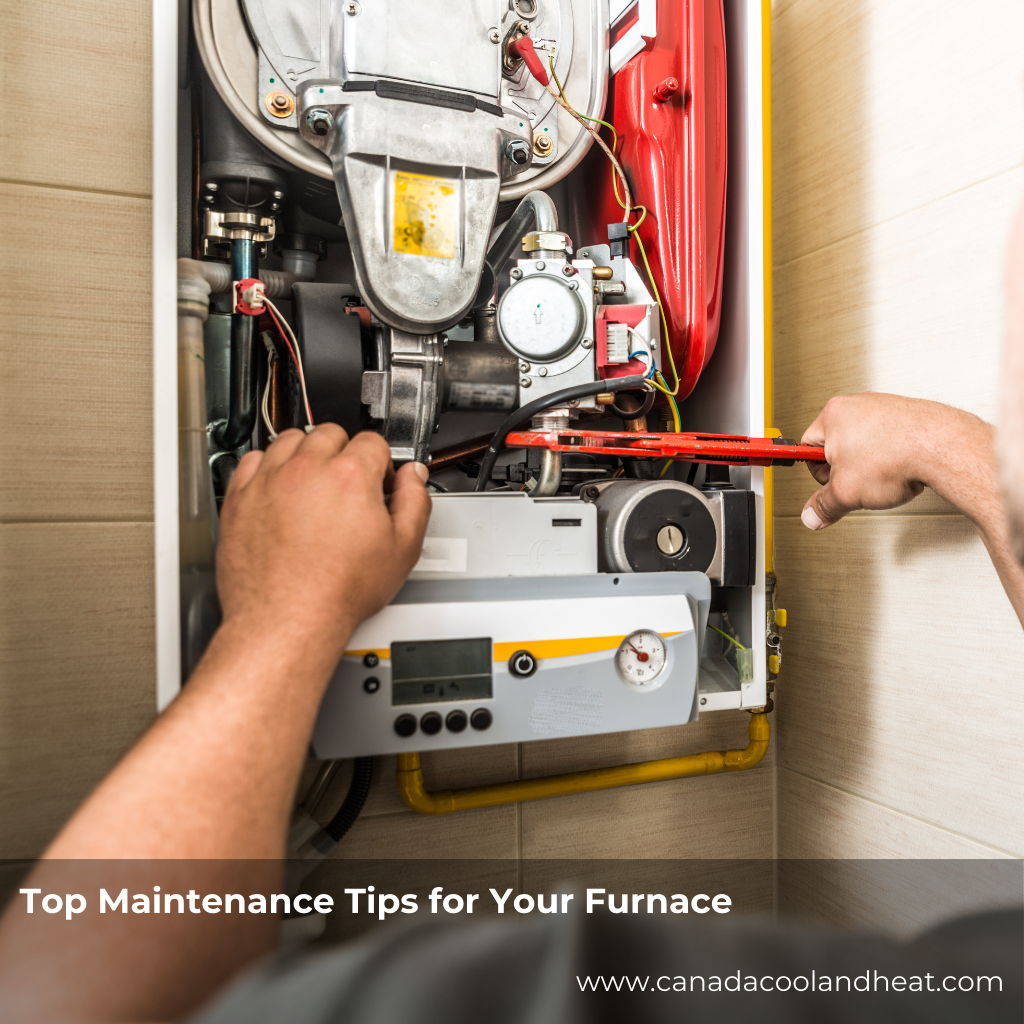
Now that we understand the kitchen connection, let’s get back to furnace care. Pair these classic maintenance steps with smart ventilation choices:
-
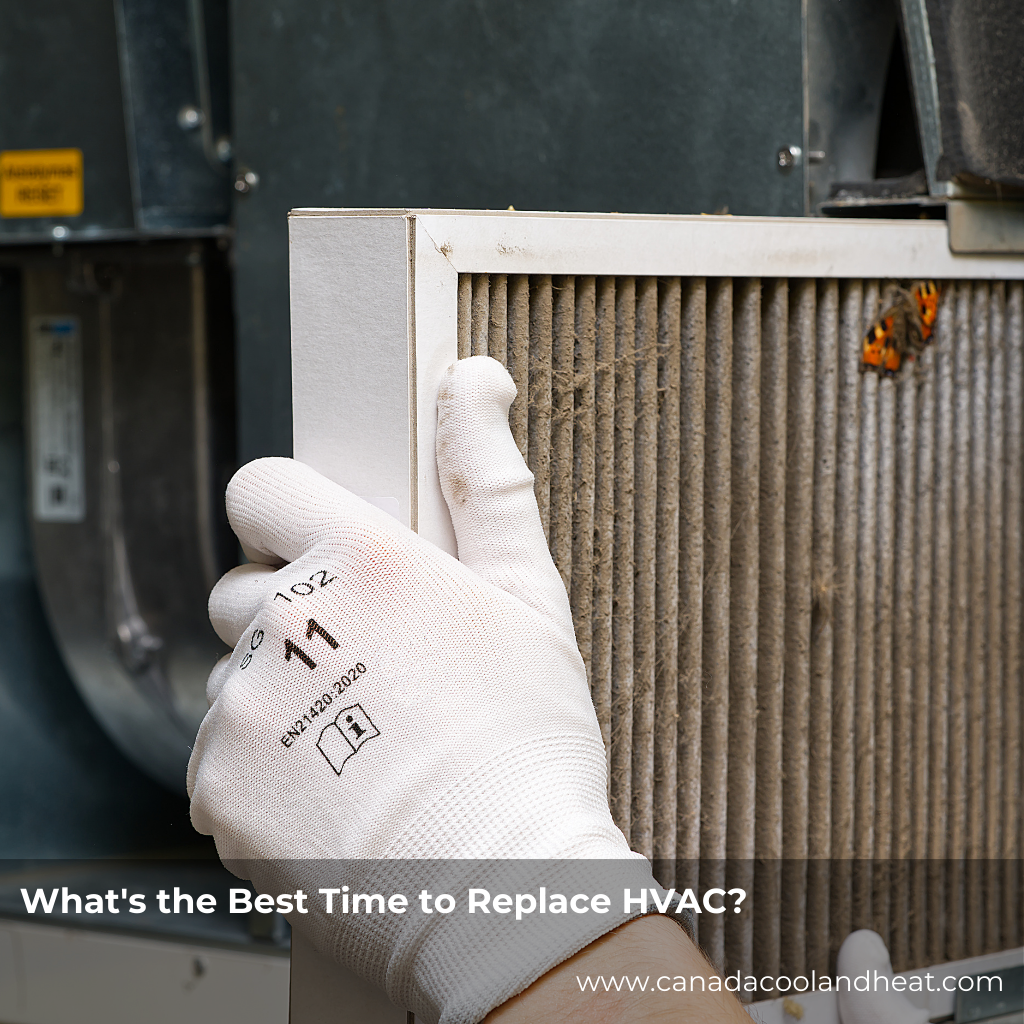
Change Filters Regularly – Dust and grease from cooking can travel farther than you think. Replace or clean filters every 1–3 months.
-
Inspect Ducts for Moisture – Poor ventilation raises humidity, which can condense in ductwork. Look for damp spots or mold.
-
Check for Backdrafting – Light a match near the furnace flue; if smoke drifts inside instead of out, you may have a ventilation issue.
-
Schedule Annual Service – A pro can test airflow, combustion safety, and HVAC balance.
-
Upgrade Kitchen Ventilation if Needed – A well-sized, properly vented hood reduces strain on your furnace and improves indoor comfort.
Story from the Field
A homeowner in Minnesota installed a commercial-grade range hood in their cozy suburban kitchen. At 1,200 CFM, it was powerful enough to ventilate a restaurant—but without a make-up air system, it pulled air straight from the furnace flue. Within weeks, their furnace safety switch kept tripping.
The solution? Downsizing to a properly sized hood and adding balanced ventilation. The furnace stopped overworking, and the home’s air quality improved dramatically.
Sometimes, maintaining your furnace starts in the kitchen.
Conclusion
Your furnace and your kitchen vent hood may seem like separate systems, but they’re part of the same home ecosystem. By understanding how vent hood HVAC kitchens interact, choosing the right hood size, and maintaining good airflow balance, you not only protect your furnace but also ensure cleaner air and greater comfort.
✅ Stay proactive, balance your ventilation, and schedule regular maintenance. Your furnace (and your lungs) will thank you.
FAQs
1. How often should I clean my range hood filters?
At least once a month for heavy cooking, every 2–3 months for lighter use. Clean filters protect both the hood and HVAC system.
2. Can a range hood affect furnace efficiency?
Yes. Oversized or poorly balanced hoods can pull conditioned air out, making your furnace work harder.
3. What is make-up air, and why do I need it?
Make-up air is fresh air supplied to replace what your hood exhausts. Without it, your home may develop negative pressure and backdrafting issues.
4. Should I get a professional to size my vent hood?
Absolutely. An HVAC technician can assess your cooking habits, stove type, and ventilation needs to recommend the right hood.
5. Can poor kitchen ventilation damage my furnace?
Indirectly, yes. Excess moisture, grease, or negative pressure from bad ventilation can stress the furnace and ductwork.
6. Do electric stoves need the same ventilation as gas?
No. Gas produces combustion byproducts, so it requires stronger ventilation than electric.
7. What’s the best way to prevent backdrafting?
Ensure your vent hood is properly sized and paired with a make-up air system if necessary.
8. Is ductless (recirculating) ventilation bad for HVAC systems?
Not necessarily, but it doesn’t remove humidity or combustion byproducts. Ducted systems are generally better for air quality and furnace protection.