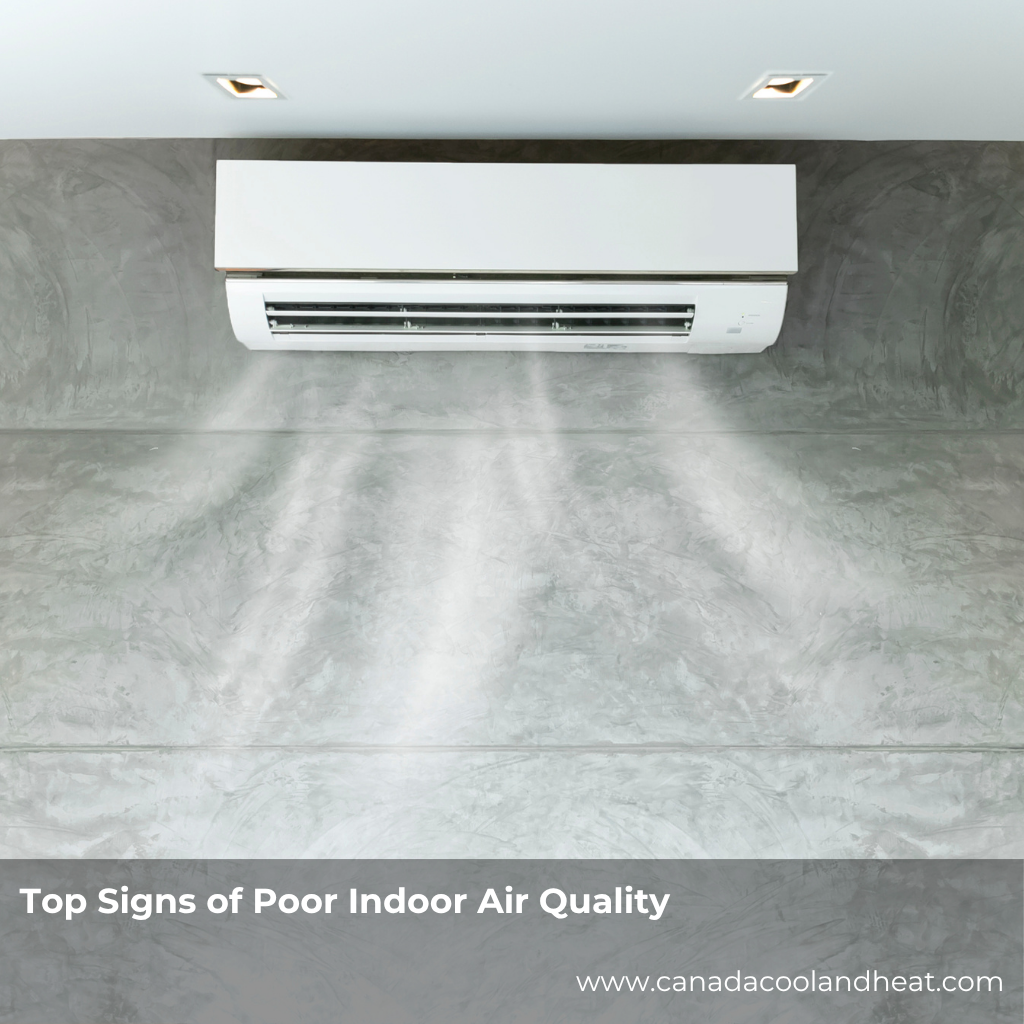
The Subtle Clues: Recognizing Poor Indoor Air Quality
Have you ever cooked a big meal — maybe a stir-fry or bacon breakfast — and noticed that smoky haze lingering long after? That’s one of the first signs that your ventilation isn’t keeping up. Here are a few other warning signs that your air could use some help:
-
Lingering Odors:
If last night’s dinner scent greets you in the morning, your ventilation system may not be removing enough air fast enough. -
Condensation on Walls or Cabinets:
Steam and moisture should escape through your hood, not cling to surfaces and invite mold. -
Dust Buildup or Greasy Residue:
When air doesn’t circulate properly, particles settle on countertops and walls — sometimes creating that sticky film near your stove. -
Inconsistent Room Temperatures:
Poor air balance between your vent hood and HVAC system can cause drafts or warm spots, especially near your kitchen. -
Headaches or Fatigue Indoors:
Over time, trapped carbon dioxide, nitrogen dioxide, and other combustion byproducts can make you feel sluggish or unwell.
The Science Behind Kitchen Ventilation
Every time you cook, you release a mix of gases, grease, and tiny particulates into the air. While a delicious meal is the goal, those byproducts need a clear exit path. That’s where vent hoods and your HVAC system come into play.
Think of your range hood as the front-line soldier — it captures airborne contaminants at the source. The HVAC system, meanwhile, ensures balanced air pressure and replaces the exhausted air with fresh, conditioned air.
When they’re not in sync, however, you can end up with negative pressure problems. In simple terms, your home can start pulling in unfiltered outdoor air — through cracks, vents, or even the fireplace — just to make up for the loss. That’s when your home starts to “breathe wrong.”
How Range Hoods Affect HVAC Balance
It’s easy to assume your range hood operates independently, but it’s actually part of a delicate ecosystem. Here’s how it can disrupt — or enhance — your HVAC system’s balance:
-
Air Pressure:
Powerful vent hoods can exhaust hundreds of cubic feet of air per minute (CFM). Without a makeup air system, that air has to come from somewhere, often leading to drafts or air infiltration from less desirable places. -
Temperature Control:
If too much warm or cool air escapes, your HVAC system works overtime to stabilize the indoor temperature, increasing energy bills. -
Humidity Management:
Cooking releases moisture. A properly balanced vent hood ensures your HVAC system doesn’t have to fight excess humidity alone. -
Energy Efficiency:
When the air exchange between your vent hood and HVAC is balanced, your system runs smoother, uses less energy, and keeps the air fresher.
In short, your vent hood doesn’t just handle odors — it’s a critical part of your home’s overall air health strategy.
Sizing Guidelines: Getting Your Vent Hood Right
Bigger isn’t always better. The goal is efficiency — capturing and exhausting cooking pollutants without creating air imbalance. Here’s how to find the right size:
-
Measure Your Cooktop Width:
-
Electric ranges: Aim for 100 CFM per linear foot of cooktop.
-
Gas ranges: Opt for 100–150 CFM per 10,000 BTUs of burner output.
-
-
Consider Your Cooking Style:
-
Frequent frying, grilling, or wok cooking? Lean toward higher CFM.
-
Light cooking? You may get by with less.
-
-
Hood Mounting Height:
-
Typically, hoods should sit 24–30 inches above electric ranges or 30–36 inches above gas stoves.
-
-
Ductwork Design:
-
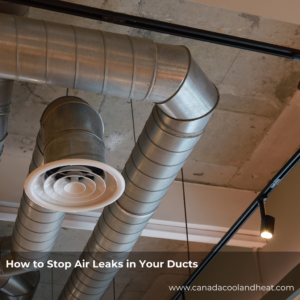
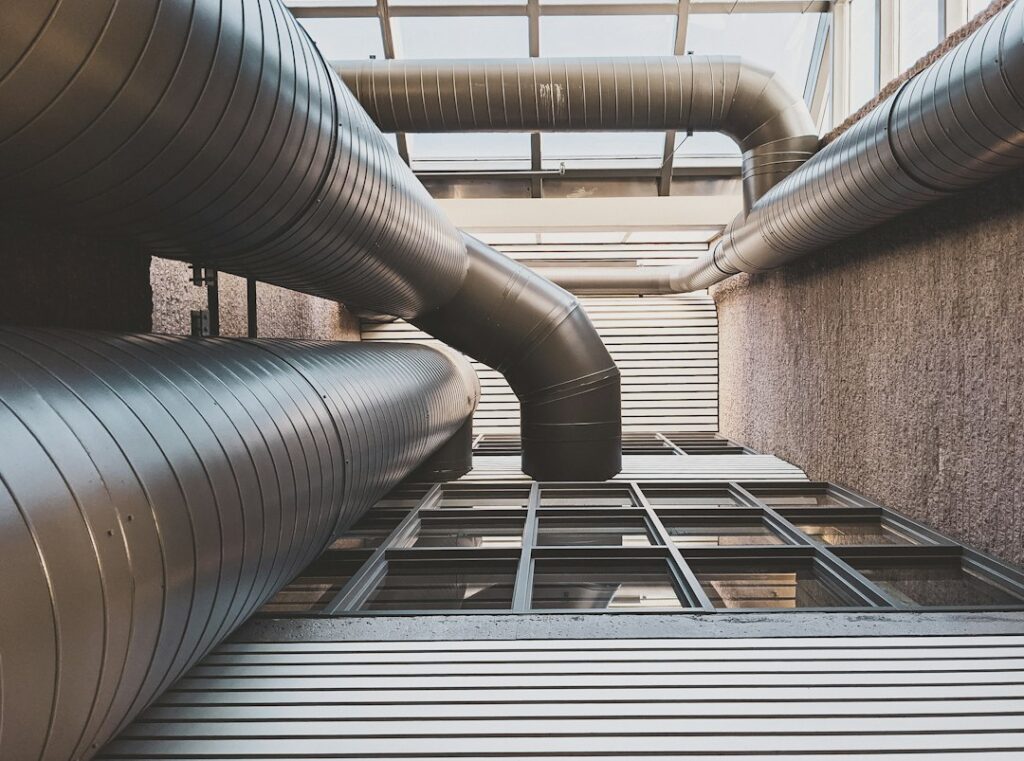
Short, straight ducts with smooth interiors are best.
-
Avoid sharp bends or narrow ducts that restrict airflow.
-
-
Makeup Air Systems:
-
For hoods above 400 CFM, building codes often require a makeup air unit — a system that replaces exhausted air to maintain balance.
-
By sizing your vent hood correctly, you ensure your kitchen’s air stays fresh without compromising your home’s comfort.
Keeping It Clean and Clear
Even the best ventilation systems need a little TLC.
-
Clean filters monthly to prevent grease buildup.
-
Inspect ducts annually to check for blockages or leaks.
-
Test airflow by holding a tissue near the hood’s edge — if it pulls in steadily, your fan is doing its job.
Breathing Easy: A Story of Balanced Air
Imagine walking into your kitchen after a long day, greeted not by lingering smoke or humidity, but by a light, clean scent of home-cooked meals. Your HVAC hums quietly, and your range hood does its job so seamlessly, you barely notice it.
That’s what proper ventilation feels like — effortless comfort.
Good air quality doesn’t just happen; it’s designed. When your vent hood and HVAC system work together, your kitchen becomes a healthy, balanced space where every breath feels fresh.
FAQs About Vent Hood HVAC Kitchens
1. How often should I run my vent hood while cooking?
Run it throughout the entire cooking process and for about 10–15 minutes afterward to clear residual particles.
2. What’s the best type of vent hood for heavy cooking?
A ducted hood is ideal, as it vents air directly outside rather than recirculating it.
3. Can I connect my vent hood to my HVAC system?
Not directly — they should operate independently but in balance, with proper makeup air and exhaust design.
4. What if I don’t have an external vent option?
A recirculating hood with a charcoal filter is better than nothing, but plan for regular filter changes.
5. How do I know if I need a makeup air system?
If your vent hood exceeds 400 CFM or you notice drafts, a makeup air unit is likely required.
6. Does ventilation affect energy efficiency?
Absolutely. Proper balance prevents overworking your HVAC and reduces heating or cooling loss.
7. How can I tell if my air pressure is unbalanced?
Watch for slamming doors, drafts near windows, or air being pulled down chimneys — all red flags.
8. Can poor ventilation cause health issues?
Yes. Lingering pollutants and combustion gases can contribute to headaches, allergies, and fatigue.