Why Kitchen Ventilation Matters
Ventilation is more than just an exhaust fan over your stove. It’s about removing heat, moisture, grease, and odors from your cooking area and ensuring they don’t affect the rest of your home. Without proper ventilation:
- Grease accumulates on surfaces and walls.
- Humidity levels rise, impacting HVAC efficiency.
- Pollutants like carbon monoxide and nitrogen dioxide linger longer.
The Role of Range Hoods
Range hoods are designed to capture and remove airborne particles at the source. They come in two main types:
- Ducted Hoods – These vent air outside, removing it completely from the home.
- Ductless (Recirculating) Hoods – These filter and recirculate the air back into the kitchen.
While ductless hoods are easier to install, ducted hoods are far more effective at maintaining air quality and HVAC balance.
The HVAC Balance: A Delicate Dance
Now, let’s talk HVAC. Your heating, ventilation, and air conditioning system works hard to maintain a comfortable temperature throughout your home. But what happens when your range hood starts pulling hundreds of cubic feet of air out every minute?
Negative Pressure Issues
High-powered range hoods (especially those over 400 CFM) can create negative air pressure in your home. This means your HVAC system has to work harder to replace the air being removed, which can:
- Pull outdoor air in through cracks and windows
- Affect furnace and water heater performance
- Disrupt airflow and temperature balance
Makeup Air: The Unsung Hero
For powerful vent hoods, makeup air systems are essential. These introduce fresh air back into the home to replace the exhausted air, helping to maintain pressure equilibrium. In many local building codes, makeup air is required for range hoods over 400 CFM.
Sizing Your Range Hood Correctly
Getting the size and power of your vent hood right is critical to both kitchen comfort and HVAC harmony. Here’s how to do it:
Step 1: Calculate Hood Width
Your hood should be at least as wide as your cooking surface. Ideally:
- 30-inch range: 30-36 inch hood
- 36-inch range: 36-42 inch hood
Step 2: Determine CFM Needs
Use this rule of thumb:
- Electric cooktop: 100 CFM per linear foot of cooktop
- Gas cooktop: 100 CFM per 10,000 BTUs of burner output
Step 3: Factor in Duct Length and Bends
Longer duct runs and bends increase resistance. Add 25 CFM for each elbow and 10 CFM per foot of ductwork.
Design Tips for Better Kitchen Ventilation
Want to get the most out of your vent hood without disrupting HVAC flow? Consider these design tips:
- Install close to the source: Mount your hood 24-30 inches above the cooktop.
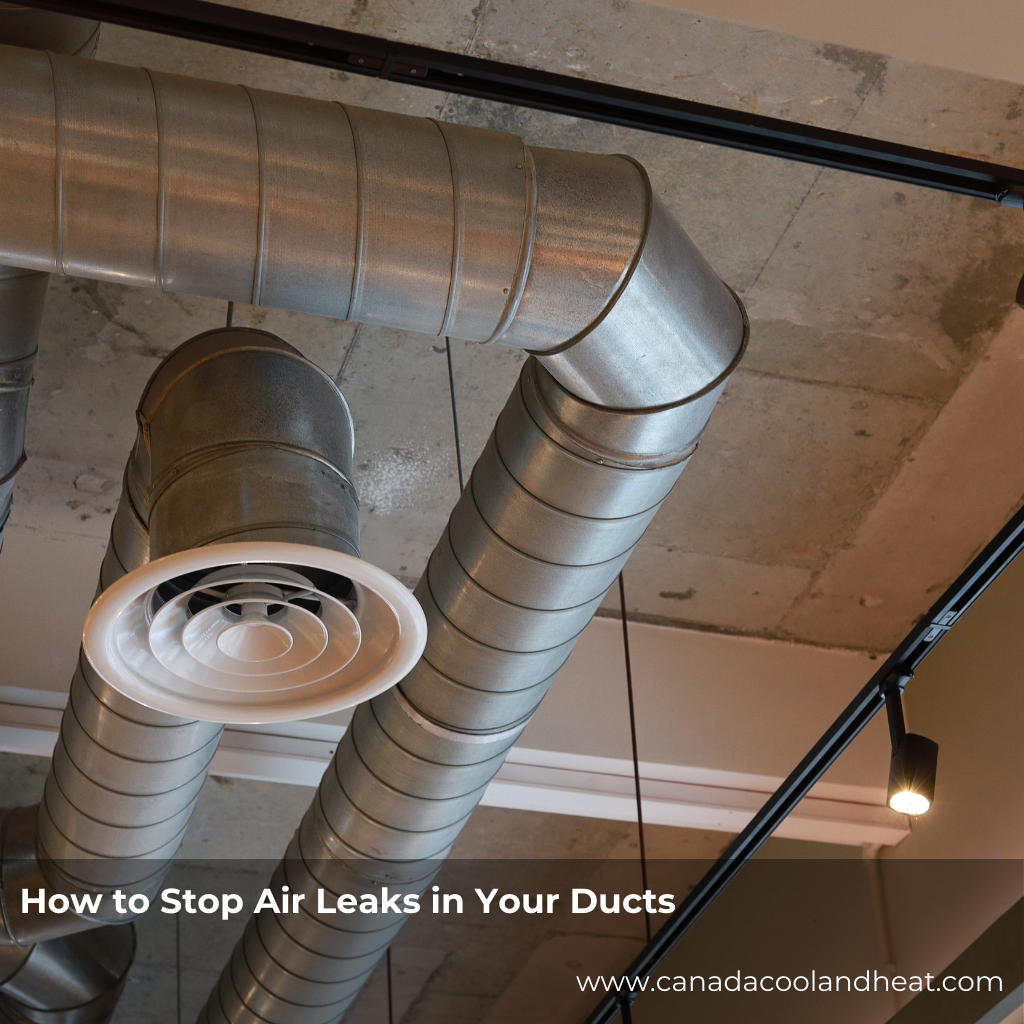
- Use smooth metal ducts: Avoid flexible ducting which traps grease.
- Go vertical: Straight, vertical ducts are most efficient.
- Seal and insulate: Prevent leaks and temperature loss in duct runs.
Conclusion: Balance, Breathe, and Cook Happily
A well-ventilated kitchen is a joy to cook in and a healthier place to live. By understanding how your vent hood HVAC kitchen system works together, you can improve air quality, protect your home, and enjoy your culinary adventures without compromise.
If you’re planning a kitchen remodel or just curious about your current setup, take the time to check your hood specs and airflow requirements. Your nose—and your HVAC system—will thank you.
FAQs About Kitchen Ventilation
1. Do I really need a range hood?
Yes. It removes heat, grease, and pollutants, making your kitchen safer and more comfortable.
2. What happens if I don’t have makeup air?
Negative pressure can cause backdrafting in gas appliances and reduce HVAC efficiency.
3. Is ductless ventilation ever a good idea?
Only for light cooking or where ducting isn’t possible. It doesn’t remove moisture or odors effectively.
4. Can I oversize my range hood?
Yes, but it’s better to match it appropriately to your cooking habits and kitchen size to avoid pressure issues.
5. How often should I clean my hood filters?
At least once a month, more frequently if you cook often or fry foods regularly.
6. What’s the best duct size for a range hood?
At least 6 inches in diameter; larger hoods may require 8-10 inch ducts.
7. How loud are vent hoods?
Look for hoods with a sone rating of 1-4 for quieter operation. Higher CFMs usually mean more noise.
8. Should I run the hood after cooking?
Yes, let it run for 10-15 minutes after to clear remaining particles and moisture.