Why Proper Ventilation Matters in the Kitchen
Cooking produces more than delicious smells—there’s heat, moisture, grease particles, and sometimes combustion byproducts. Without a well-designed ventilation system, these pollutants linger in your home and wreak havoc on indoor comfort.
The Big Benefits of Proper Ventilation
-
Removes smoke, odors, and airborne grease
-
Reduces excess heat and humidity load on the HVAC system
-
Helps prevent mold growth
-
Protects cabinets, walls, and appliances
-
Supports indoor air quality and easier breathing
Think of your vent hood as the kitchen’s “lungs”—and your HVAC system as the “heartbeat.” For everything to stay healthy, the two must work in harmony.
How Vent Hoods Impact HVAC Balance
Here’s where the story gets interesting. Your vent hood pulls air out of the kitchen. But your HVAC system carefully conditions air and circulates it throughout your home. When the hood exhausts too much air too quickly, it can cause something called negative pressure.
What Negative Pressure Means
Imagine trying to drink from a straw in an empty glass—you struggle because there’s nothing to pull. A kitchen with too much air exhausted feels the same way. The vent hood pulls out conditioned air faster than the home can replace it. This can result in:
-
Drafts around doors and windows
-
Backdrafting from gas appliances
-
Reduced HVAC efficiency
-
Hot and cold spots around the kitchen
This is especially common in tightly sealed modern homes.
Make-Up Air: The Hero of HVAC Balance
For powerful vent hoods—typically anything above 400 CFM—building codes often require make-up air, a system that brings in fresh outdoor air to replace what’s being exhausted.
Benefits of make-up air:
-
Prevents negative pressure
-
Keeps the HVAC system operating efficiently
-
Reduces drafts and hot/cold pockets
-
Maintains indoor comfort and air quality
The HVAC system and vent hood aren’t competitors—they’re partners. But they need a steady flow of air to share to stay in sync.
Sizing Guidelines for Vent Hoods
Choosing the right hood size for your kitchen is one of the most important decisions you can make. Both width and airflow (CFM rating) matter—especially when coordinating with your home’s HVAC system.
Range Hood Width
A good rule of thumb:
-
For electric ranges: hood should be equal width to the cooktop
-
For gas ranges: hood should extend 3 inches beyond each side of the cooktop
This helps capture rising fumes more effectively.
CFM Sizing for Different Cooktops
Here’s a quick breakdown:
1. Electric Cooktops
Use this formula:
100 CFM for every 10 inches of cooktop width
Example: A 30-inch electric cooktop → ~300 CFM hood
2. Gas Cooktops
Use this method:
1 CFM for every 100 BTUs of burner output
Example: A cooktop with 50,000 BTU total output → 500 CFM hood
3. High-Performance Ranges (Pro-Style)
These ranges demand stronger venting.
Typical recommendation: 600–1200 CFM, depending on usage.
How Vent Hood Size Affects HVAC Load
The greater the CFM, the more air the hood removes. In kitchens without make-up air, this puts strain on the HVAC system:
-
The HVAC must pull air from outdoors through cracks and gaps
-
More outdoor air means more heating or cooling load
-
Indoor temperatures fluctuate
-
Overall comfort drops
This is why HVAC pros often recommend matching vent hoods carefully with both cooking equipment and the home’s heating/cooling capacity.
Best Practices for Balanced Kitchen Ventilation
1. Choose the Right CFM Range Hood
Bigger isn’t always better. Oversizing creates unnecessary HVAC imbalance and noise.
2. Install Make-Up Air for High-CFM Hoods
This keeps pressure even and indoor air consistent.
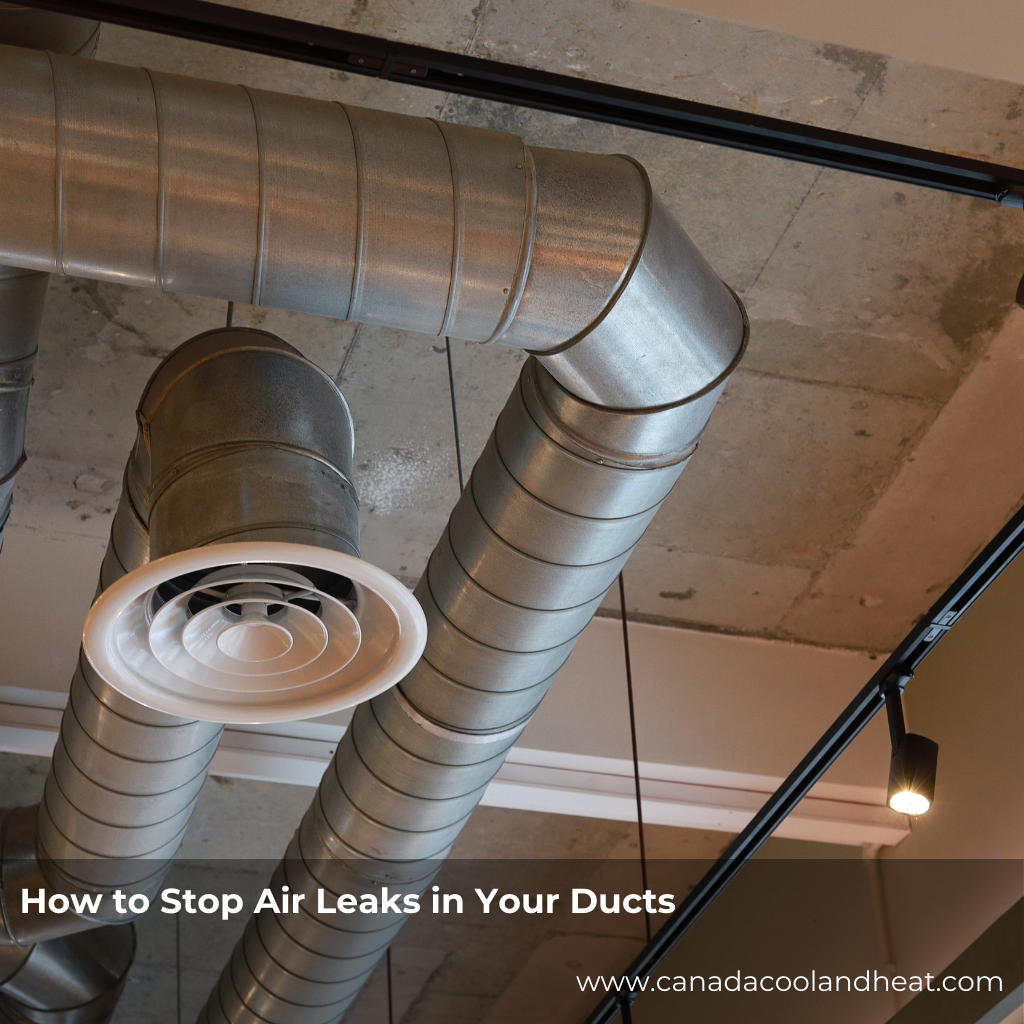
3. Use Smooth, Short Duct Runs
Long, folded, or restricted ducts reduce performance, forcing the HVAC system to compensate.
4. Keep Filters Clean
Grease buildup restricts airflow and increases strain on all systems.
5. Consider an Inline or Remote Blower
These offer quieter operation and better airflow control.
Conclusion
The kitchen is one of the most dynamic spaces in a home—full of heat, steam, aromas, and energy. A well-designed ventilation system doesn’t just clear the air; it keeps your HVAC system running efficiently and your home comfortable. By understanding how vent hood HVAC kitchens interact and choosing the right hood size, CFM rating, and make-up air strategy, you can create a balanced environment that feels great and performs beautifully.
Ready to optimize your kitchen’s comfort? A ventilation checkup from an HVAC specialist is the perfect next step.
FAQ
1. What is the ideal CFM for a standard kitchen range hood?
Most residential electric cooktops need 250–400 CFM, while gas systems require 400–900 CFM depending on BTU output.
2. Do I need make-up air for my range hood?
If your hood exceeds 400 CFM, many building codes require it—and it’s essential for preventing negative pressure.
3. How often should I clean my range hood filters?
Metal filters should be washed every 4–8 weeks depending on cooking frequency.
4. Can a vent hood be too powerful?
Yes. Oversized hoods can disrupt pressure balance, stress the HVAC system, and cause drafts.
5. What duct size should I use?
Most hoods require a 6–8 inch duct, but high-CFM units may need 10 inches or more.
6. Does recirculating (ductless) ventilation affect HVAC systems?
Ductless hoods don’t remove heat or humidity, meaning HVAC systems must work harder to condition the kitchen.
7. How do I reduce vent hood noise?
Use smooth ducts, avoid tight elbows, and consider remote or inline blowers.