Why Kitchen Ventilation Matters
Kitchens are one of the most active areas in any home when it comes to indoor air pollution. From boiling water to frying bacon, your cooking process emits:
- Excess heat
- Water vapor
- Combustion gases (especially from gas stoves)
- Grease particles
- Odors
Without proper ventilation, these contaminants linger and circulate through your HVAC system, overworking it and reducing overall comfort.
Health and Comfort Benefits:
- Reduced indoor pollutants that can irritate eyes, throat, and lungs.
- Humidity control to prevent mold and mildew growth.
- Odor management for a fresher living environment.
How Range Hoods Affect HVAC Balance
Your HVAC system is designed to maintain temperature and air quality throughout the house. But when you turn on a powerful range hood, it starts pulling air out of the kitchen. That air has to be replaced somehow.
What Happens:
- Negative Pressure: If your vent hood exhausts air faster than your home can replace it, it can cause negative pressure.
- Backdrafting Risks: This may draw combustion gases back into the home from furnaces or water heaters.
- HVAC Interference: Your system may work harder trying to stabilize temperatures, leading to increased energy usage and wear.
This tug-of-war can be avoided with thoughtful system integration.
Sizing Guidelines for Kitchen Ventilation
Choosing the right size for your vent hood is key to maintaining HVAC balance and ensuring effective air exchange.
Step 1: Measure Your Cooktop
- Width: Your vent hood should be at least as wide as your cooktop, ideally 3 inches wider on each side.
- Depth: It should cover the entire depth of your burners.
Step 2: Calculate CFM (Cubic Feet per Minute)
- Electric Cooktops: 100 CFM per linear foot.
- Gas Cooktops: 100 CFM for every 10,000 BTUs.
For example, a 36-inch gas range with 50,000 BTUs would need a hood rated at least 500 CFM.
Step 3: Consider Duct Size and Length
- A larger duct diameter (6″ or more) helps reduce airflow resistance.
- Limit bends and long runs to maximize efficiency.
Step 4: Add Makeup Air if Needed
- Hoods over 400 CFM typically require a makeup air system to replenish exhausted air.
Real-World Integration Tips
Tip 1: Use a Professional Installer
HVAC and kitchen ventilation systems must be coordinated. A professional will ensure proper duct routing, hood sizing, and compliance with local codes.
Tip 2: Choose a Range Hood with Variable Speeds
This allows you to control airflow based on what you’re cooking, minimizing HVAC disruption.
Tip 3: Maintain Filters and Ducts
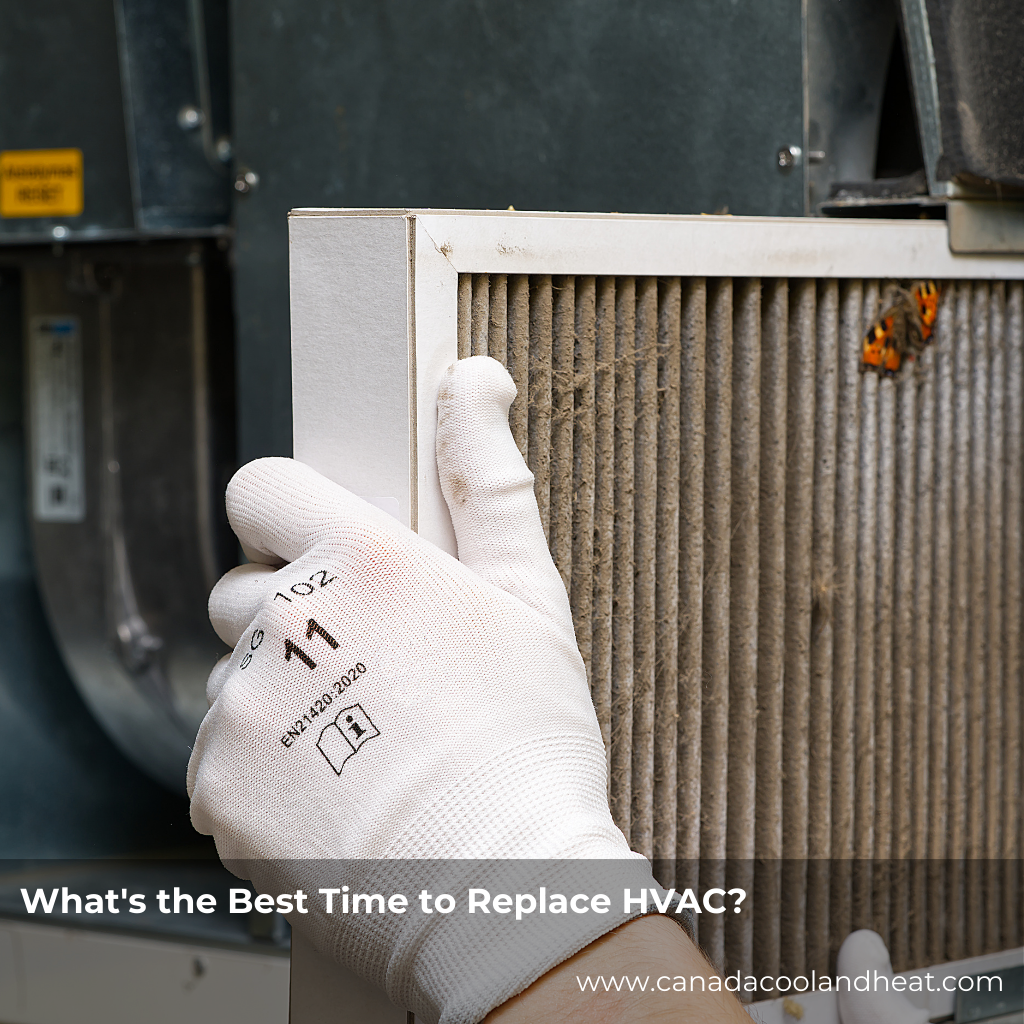
Grease buildup reduces efficiency and can pose fire hazards. Clean filters monthly and inspect ducts annually.
Conclusion: Harmony Between Heat and Air
Proper kitchen ventilation doesn’t just make your cooking space more pleasant—it safeguards your health and extends the life of your HVAC system. By selecting the right hood size, ensuring airflow balance, and integrating makeup air systems when needed, you create a kitchen that breathes easy.
So next time you’re simmering stew on a chilly evening, take a moment to appreciate the silent teamwork happening behind the walls. When vent hoods and HVAC systems work in harmony, everyone breathes easier.
FAQ
1. What is the ideal CFM for a kitchen range hood?
It depends on your cooktop. Electric stoves need around 100 CFM per foot of width, while gas ranges require about 100 CFM for every 10,000 BTUs.
2. Does my vent hood need a makeup air system?
Yes, if your hood is over 400 CFM, you likely need a makeup air system to prevent negative pressure and backdrafting.
3. How often should I clean the vent hood filters?
Monthly cleaning is ideal, especially if you cook frequently or use oil-heavy methods like frying.
4. Can I install a vent hood myself?
DIY installation is possible but risky. Improper ducting or sizing can reduce efficiency and pose safety hazards. A professional ensures compliance and optimal function.
5. How does poor ventilation affect my HVAC system?
It can lead to increased wear, higher energy bills, and poor indoor air quality as contaminants circulate through your system.
6. Are ductless range hoods effective?
They help with odor control using filters, but they don’t remove heat or moisture, making them less effective than vented systems.
7. What’s the best placement for a vent hood?
Install it 24-30 inches above your cooktop for optimal smoke and vapor capture.
8. Can a powerful vent hood cool down my kitchen?
Not directly. It removes hot air and vapors, but the HVAC system is responsible for temperature control.
9. What if I have an open-concept kitchen?
Opt for higher CFM ratings and strong perimeter capture to contain fumes before they spread.
10. How can I tell if my current ventilation setup is inadequate?
Signs include lingering odors, condensation on windows, greasy cabinets, and noticeable temperature swings while cooking.