Why Proper Kitchen Ventilation Matters
Picture this: You’re sautéing onions, boiling pasta, and roasting vegetables—all at once. A kitchen becomes a mini-engine room of heat, steam, and airborne grease.
Good ventilation accomplishes three things:
-
Removes airborne contaminants (smoke, grease, odors).
-
Controls humidity and heat, keeping your HVAC system from overworking.
-
Maintains indoor air quality, preventing carbon monoxide buildup from gas cooking.
But for ventilation to work properly, everything starts with the vent hood.
How Range Hoods Affect HVAC Balance
A range hood is designed to pull air out of the kitchen. HVAC systems, meanwhile, are designed to condition air inside. When the two aren’t balanced, problems start.
The Push–Pull Effect
Vent hoods—especially high-powered ones—can create negative air pressure in the kitchen. When too much air is pulled out:
-
Outdoor air sneaks in through cracks.
-
Backdrafting from fireplaces or gas appliances can occur.
-
HVAC systems strain to maintain temperature.
Think of your home like a balloon. The vent hood lets air out. The HVAC system tries to keep the balloon full. If the vent hood is too strong or the HVAC is undersized, that balloon starts to crumple.
Makeup Air: The Missing Ingredient
Most homeowners don’t realize that any vent hood over 400 cubic feet per minute (CFM) often requires makeup air—fresh air intentionally brought in to replace what’s exhausted.
Without proper makeup air:
-
The vent hood performs poorly.
-
Your HVAC load increases.
-
Comfort levels swing wildly.
Commercial kitchens already know this—they use balanced ventilation systems by design. But residential kitchens are quickly catching up.
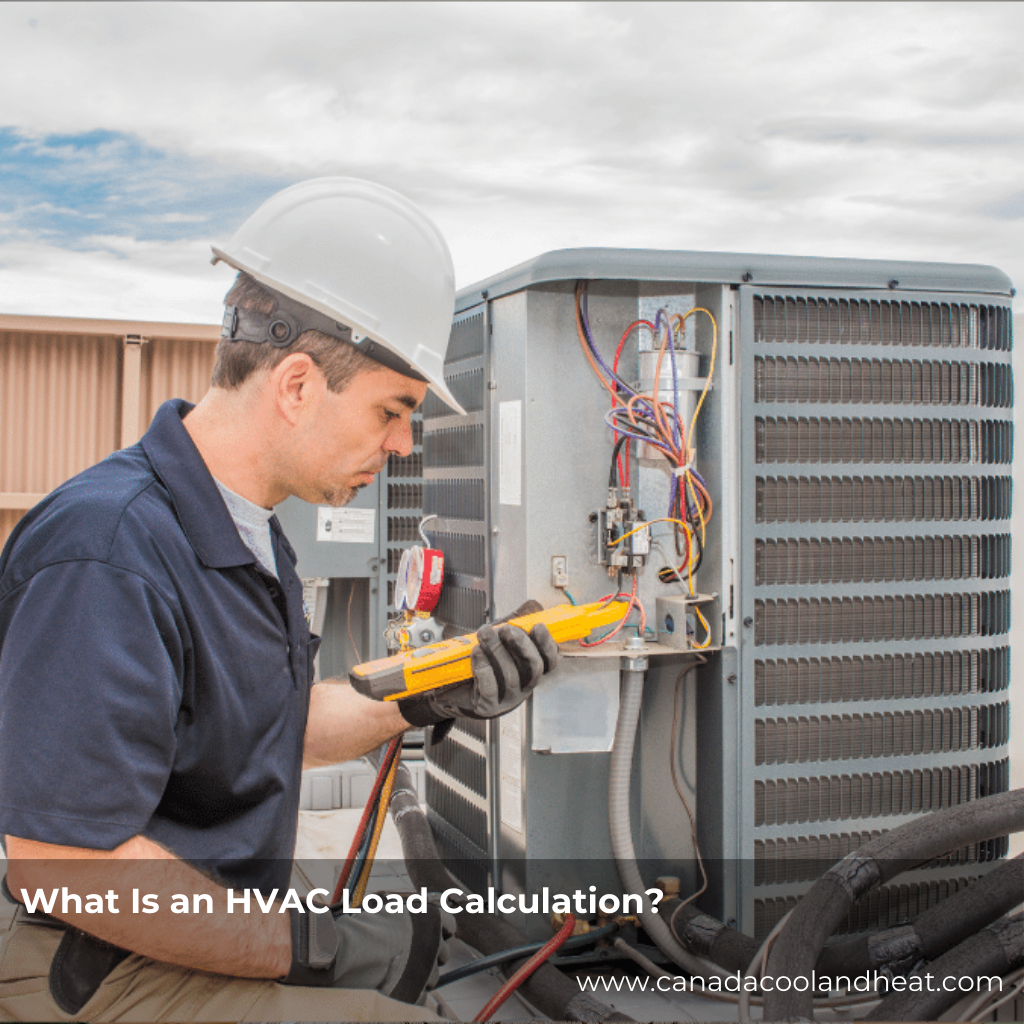
What Is an HVAC Load Calculation?
Here’s where the puzzle pieces come together.
An HVAC load calculation determines how much heating and cooling power a home—or a kitchen—needs. It considers:
-
Square footage
-
Window and insulation quality
-
Outdoor climate
-
Heat generated by appliances
-
Ventilation equipment (like vent hoods)
Why Load Calculations Matter in Kitchens
Kitchens are among the most intense thermal zones of a home. They have:
-
Multiple heat-generating appliances
-
Moisture from cooking
-
Air being mechanically exhausted
-
Air being mechanically replaced
Improper load calculation can lead to:
-
Oversized HVAC systems (short cycling)
-
Undersized systems (constant strain)
-
Stubborn hot spots in the kitchen
-
Poor vent hood performance
By including vent hood CFM values and expected cooking loads, technicians ensure the HVAC equipment isn’t overwhelmed—or underwhelmed.
Sizing Guidelines for Vent Hoods in HVAC-Sensitive Kitchens
Range hoods come in various shapes, strengths, and capture designs. The goal is to size them so they effectively remove contaminants without unbalancing the home.
General Sizing Rule of Thumb
-
Electric cooktops: 100–150 CFM per linear foot of cooktop
-
Gas cooktops: 150–200 CFM per linear foot
-
High-BTU burners: May require 600–1200 CFM systems
Wall-Mounted vs. Island Hoods
-
Wall-mount hoods benefit from the wall acting as a capture surface.
-
Island hoods need more power because they are exposed on all sides.
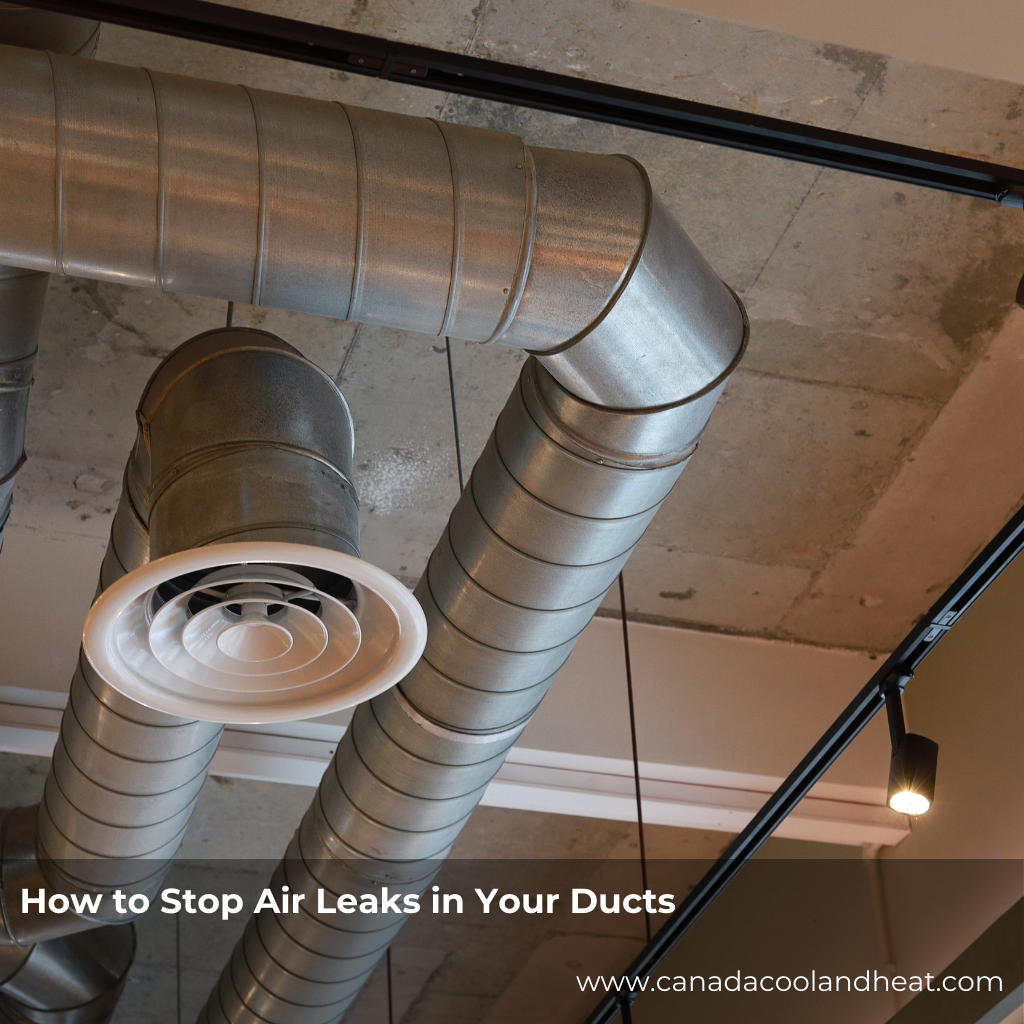
Don’t Forget Duct Size
A powerful hood means nothing if the duct is too small.
Common duct sizes:
-
6-inch for under 400 CFM
-
8-inch for 400–700 CFM
-
10-inch+ for 1000 CFM +
Makeup Air Requirements
Homes built after 2015 increasingly require automatic makeup air dampers for large hoods. These open when the hood runs, letting in fresh air that keeps the home pressure-balanced.
How HVAC Pros Integrate Vent Hood Loads
During a load calculation, professionals factor in:
-
Expected hood CFM
-
Makeup air system airflow
-
Kitchen occupancy
-
Heat from cooking
-
Appliance BTU ratings
-
Door and window placement
This ensures kitchens don’t become “rogue zones” that throw off the entire home’s climate control.
Story Time: A Kitchen Saved by a Load Calculation
A homeowner once upgraded to a sleek, 1,200-CFM professional range hood—perfect for their new chef-style gas range. What they didn’t realize was that the rest of the house was being pulled toward the kitchen like a giant vacuum.
Doors slammed shut randomly. The fireplace smoked backward. The HVAC system ran for hours, unable to stabilize temperatures.
A technician recalculated the HVAC load and installed:
-
A makeup air system
-
Correctly sized ductwork
-
Minor HVAC balancing adjustments
Within a day, the kitchen felt comfortable again—and the rest of the house breathed a sigh of relief.
Conclusion
Proper ventilation isn’t just about eliminating cooking odors—it’s about protecting your home’s comfort, efficiency, and safety. Understanding how vent hood HVAC kitchens function, and how load calculations support them, ensures your space stays balanced and enjoyable.
Whether you’re planning a remodel or upgrading appliances, always consider airflow, ventilation, and HVAC sizing together. A little planning keeps your kitchen running smoothly for years.
Frequently Asked Questions
1. Do all high-powered vent hoods require makeup air?
Most hoods above 400 CFM do, especially in airtight homes. It keeps your HVAC balanced.
2. How do I know if my vent hood is too strong?
Signs include drafts, doors slamming, and persistent HVAC temperature swings.
3. Can an oversized vent hood damage my HVAC system?
Indirectly, yes. It forces your HVAC system to work harder to replace lost air.
4. What’s the best CFM for a home kitchen?
For typical home cooking, 300–600 CFM is ideal. Heavy gas cooking may require more.
5. Is makeup air expensive?
Basic systems are affordable and can be tied into the hood’s wiring for automatic use.
6. Can I use recirculating hoods instead of vented?
Yes, but they only filter—not remove—heat and grease.
7. How does insulation affect kitchen HVAC loads?
Better insulation reduces strain by stabilizing temperature, even during heavy cooking.
8. Should the vent hood run while preheating the oven?
Running it early helps control heat and moisture from the start.
9. Can HVAC balancing reduce kitchen odors?
Absolutely—balanced airflow prevents stale air from lingering or spreading.
10. Do commercial kitchens follow the same rules?
The principles are similar, but commercial spaces require stricter code compliance and larger systems.