Understanding the Leak: More Than Just Water
When your air conditioner leaks water, it usually signals one of a few common issues:
- Clogged condensate drain lines
- Frozen evaporator coils
- Low refrigerant levels
- Improper installation or maintenance
But in Emily’s case, something else was at play. Her kitchen’s powerful range hood was pulling too much air from the house, unbalancing the pressure in the HVAC system. This led to poor condensation control and water buildup.
The Role of Proper Kitchen Ventilation
A well-functioning kitchen ventilation system isn’t just about removing cooking odors and smoke. It plays a big part in maintaining indoor air quality and HVAC efficiency. A powerful range hood can remove airborne grease, combustion products, fumes, smoke, heat, and steam.
However, if not correctly balanced with the rest of the HVAC system, it can cause more harm than good. Here’s why:
- Negative air pressure: A strong vent hood may pull more air out than fresh air can enter, creating a vacuum-like effect.
- Backdrafting: This can pull air back down chimneys or vents, introducing harmful gases into the home.
- Moisture imbalance: Disrupting HVAC airflow can lead to improper condensation, contributing to water leaks.
How Range Hoods Impact HVAC Balance
Emily’s oversized, high-CFM vent hood lacked proper makeup air. Makeup air is clean, tempered air introduced into the home to replace air exhausted by the vent hood. Without it, her HVAC system struggled to maintain equilibrium.
The effects included:
- Reduced HVAC efficiency
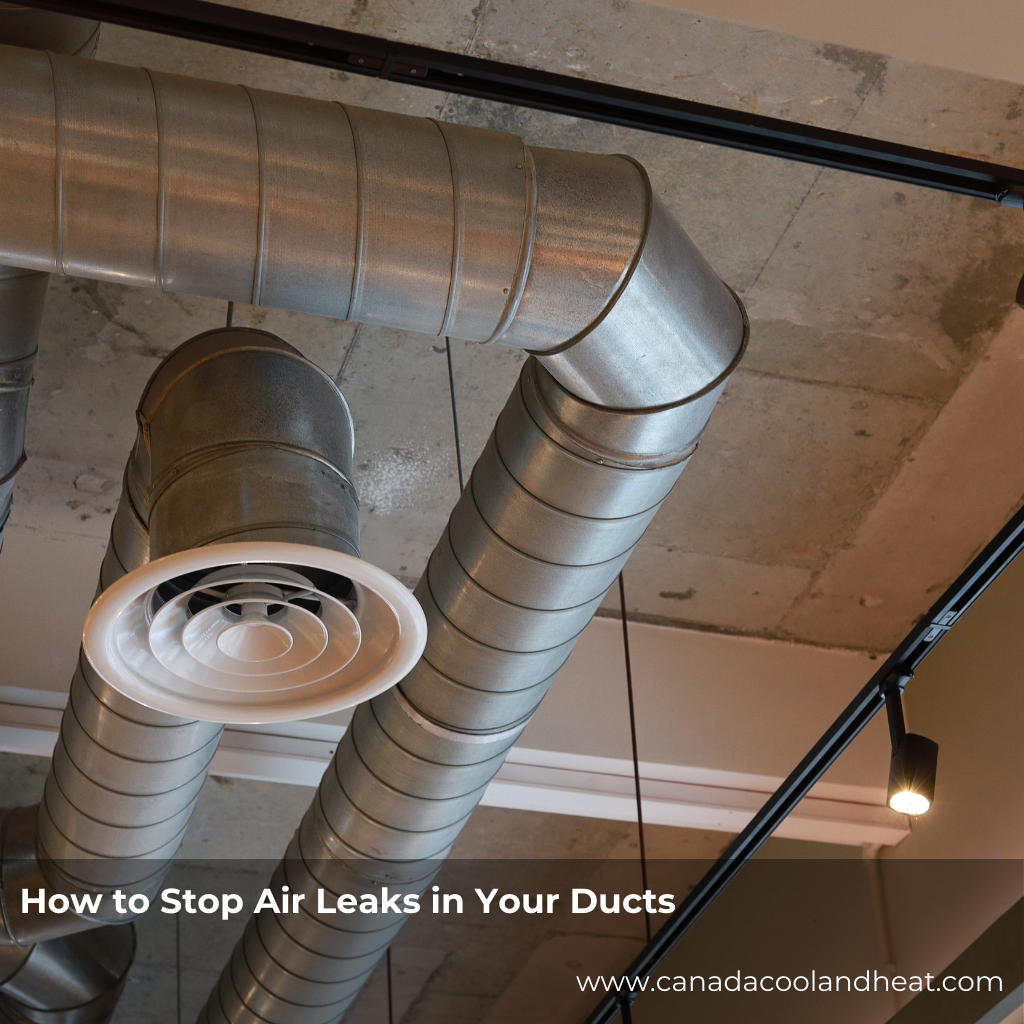
- Strain on ductwork and vents
- Erratic temperature zones in the house
- Increased wear and tear on the AC system
Proper balance means ensuring every bit of air the vent hood pulls out has a pathway to come back in without compromising indoor comfort or air quality.
Sizing Guidelines for Kitchen Ventilation
Getting the size right is key. An underpowered hood won’t remove pollutants effectively. An oversized one can throw off the HVAC system. Here are some general sizing tips:
1. Calculate Based on Cooking Equipment
- Electric cooktops: Require 100 CFM per linear foot of cooking surface
- Gas cooktops: Require 150 CFM per linear foot
2. Consider Hood Mounting Height
- Lower hoods need less CFM
- Wall-mounted hoods typically need 100 CFM per foot of width
- Island hoods need more due to open-air exposure (150 CFM per foot)
3. Use Makeup Air Systems When Exceeding 400 CFM
- Code often requires makeup air systems for hoods over 400 CFM
- Integrating a makeup air unit with the HVAC helps preserve pressure balance
4. Duct Size and Length
- Shorter, straighter ducts are more efficient
- Avoid narrow ducts or excessive bends
What You Can Do: Step-by-Step
If you suspect your AC is leaking because of kitchen ventilation imbalances, here are practical steps:
- Check the AC for Obvious Issues: Look for clogged drains or ice buildup.
- Inspect the Vent Hood: Note the CFM rating and if there’s any makeup air source.
- Call an HVAC Professional: Have them assess airflow and pressure balance.
- Install a Makeup Air System: Especially if your hood exceeds 400 CFM.
- Consider Duct Adjustments: Reroute or resize ducts as needed for better efficiency.
- Regular Maintenance: Keep your HVAC and kitchen hood clean and serviced.
Conclusion: Balance Is Everything
Emily’s AC leak was the start of a deeper understanding of how interconnected her home systems really were. With a properly balanced vent hood, a makeup air system, and regular HVAC maintenance, she not only fixed her leak but also improved her home’s overall comfort and efficiency.
When it comes to kitchens and HVAC, it’s not just about power—it’s about balance.
FAQ
1. Why is my air conditioner leaking water?
Common reasons include clogged drain lines, frozen coils, or HVAC imbalances caused by ventilation issues.
2. Can a kitchen vent hood affect my HVAC system?
Yes, especially high-powered hoods without makeup air systems. They can disrupt pressure and airflow.
3. What is a makeup air system?
It supplies clean air into your home to replace air lost through exhaust systems like range hoods.
4. How powerful should my kitchen vent hood be?
It depends on your cooktop. Use 100-150 CFM per foot as a guideline and account for hood placement.
5. What happens if I don’t balance ventilation?
You may experience HVAC inefficiencies, poor air quality, moisture problems, and even AC leaks.
6. Do I always need a makeup air system?
Generally, yes if your range hood is rated over 400 CFM—it’s often required by building codes.
7. How often should HVAC and kitchen hoods be serviced?
Annually for HVAC systems; semi-annually or quarterly for vent hoods depending on cooking frequency.
8. Can I install a makeup air system myself?
It’s best to consult a professional, as proper sizing and integration with HVAC are crucial.
9. Is it safe to use the AC if it’s leaking water?
Turn it off and call a technician. Continued use may worsen the damage.
10. Does vent hood size matter for indoor air quality?
Absolutely. Correctly sized hoods capture pollutants better and ensure proper airflow.