Why Proper Ventilation Matters in Kitchens
Whether you run a commercial kitchen or simply cook at home, ventilation is essential for:
-
Air Quality: Removes smoke, grease particles, and volatile organic compounds (VOCs) from the air.
-
Moisture Control: Cooking releases steam, which can lead to mold growth if not vented.
-
Heat Management: Reduces heat buildup, keeping kitchens more comfortable for occupants.
-
Odor Reduction: Prevents lingering food smells in the home or dining area.
Without proper venting, the HVAC system must work harder to maintain temperature and humidity levels—driving up energy costs and possibly shortening equipment life.
How Range Hoods Affect HVAC Airflow Balance
An HVAC system is designed to keep air pressure balanced throughout the building. A vent hood, by exhausting air to the outside, temporarily disrupts this balance.
When the hood pulls air out:
-
Negative Pressure Can Form — If the exhaust rate is high, outdoor air may be drawn in through doors, windows, or other leaks.
-
Conditioned Air Loss — Heated or cooled air that you’ve already paid for gets expelled, forcing your HVAC system to replace it.
-
Make-Up Air Requirements — Large commercial kitchens often require a dedicated make-up air system that brings in fresh, tempered air to offset the exhaust.
An energy audit will measure CFM (cubic feet per minute) airflow from the vent hood and compare it with HVAC system capacity to ensure the system can maintain comfort without wasting energy.
Sizing Guidelines for Vent Hood HVAC Kitchens
The right vent hood size ensures that air is effectively removed without overtaxing your HVAC system. Sizing depends on:
1. Hood Width
-
The hood should be at least as wide as the cooktop or range—ideally extending 3 inches beyond on each side for better capture.
2. CFM Ratings
-
Residential:
-
Electric cooktops: ~100 CFM per 10 inches of range width.
-
Gas cooktops: ~100–150 CFM per 10 inches, due to higher heat output.
-
-
Commercial:
-
Varies by equipment type and cooking load; can range from 300 CFM to over 2000 CFM.
-
3. Duct Design
-
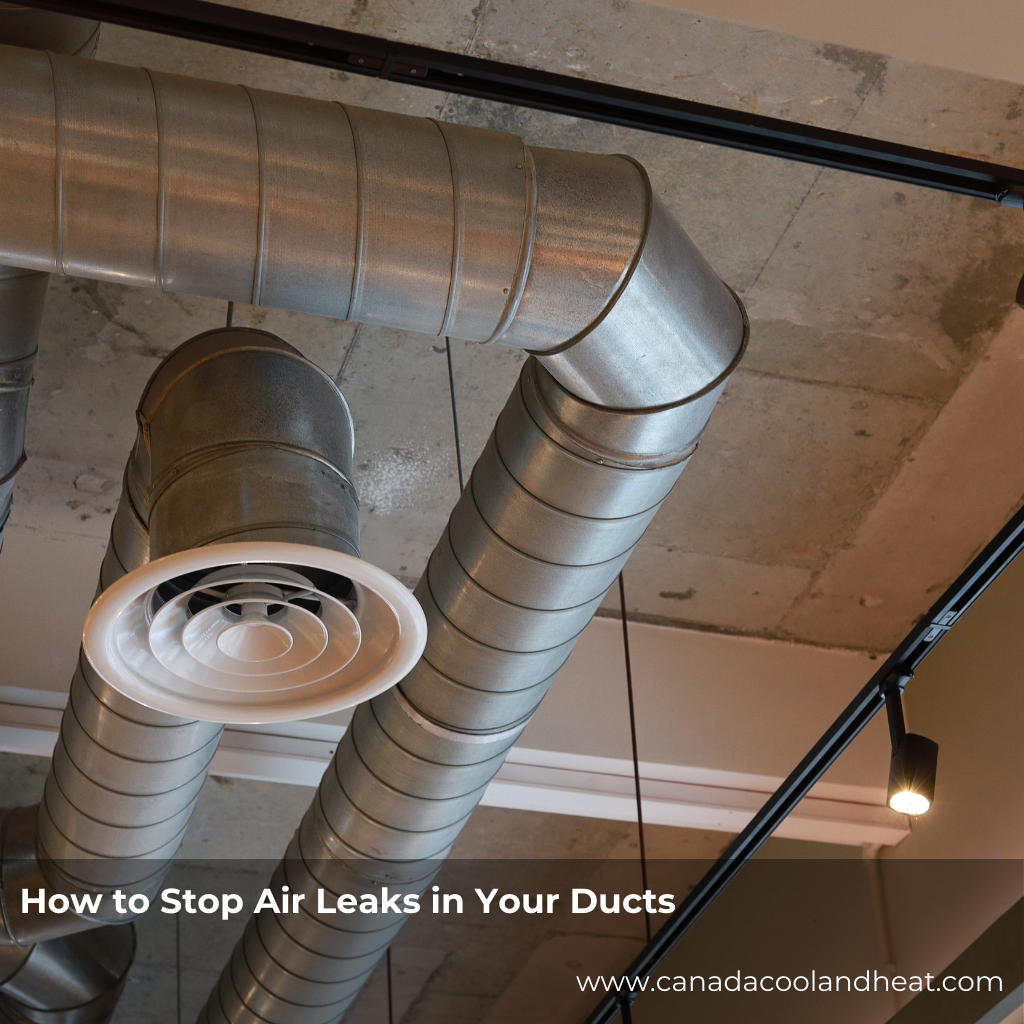
Short, straight ducts with smooth interiors improve airflow.
-
Avoid sharp bends and excessive duct length, which reduce efficiency.
4. Make-Up Air
-
If exhaust exceeds 400 CFM in residential settings, many building codes require make-up air to prevent negative pressure and improve HVAC balance.
What Happens During an HVAC Energy Audit for Kitchens
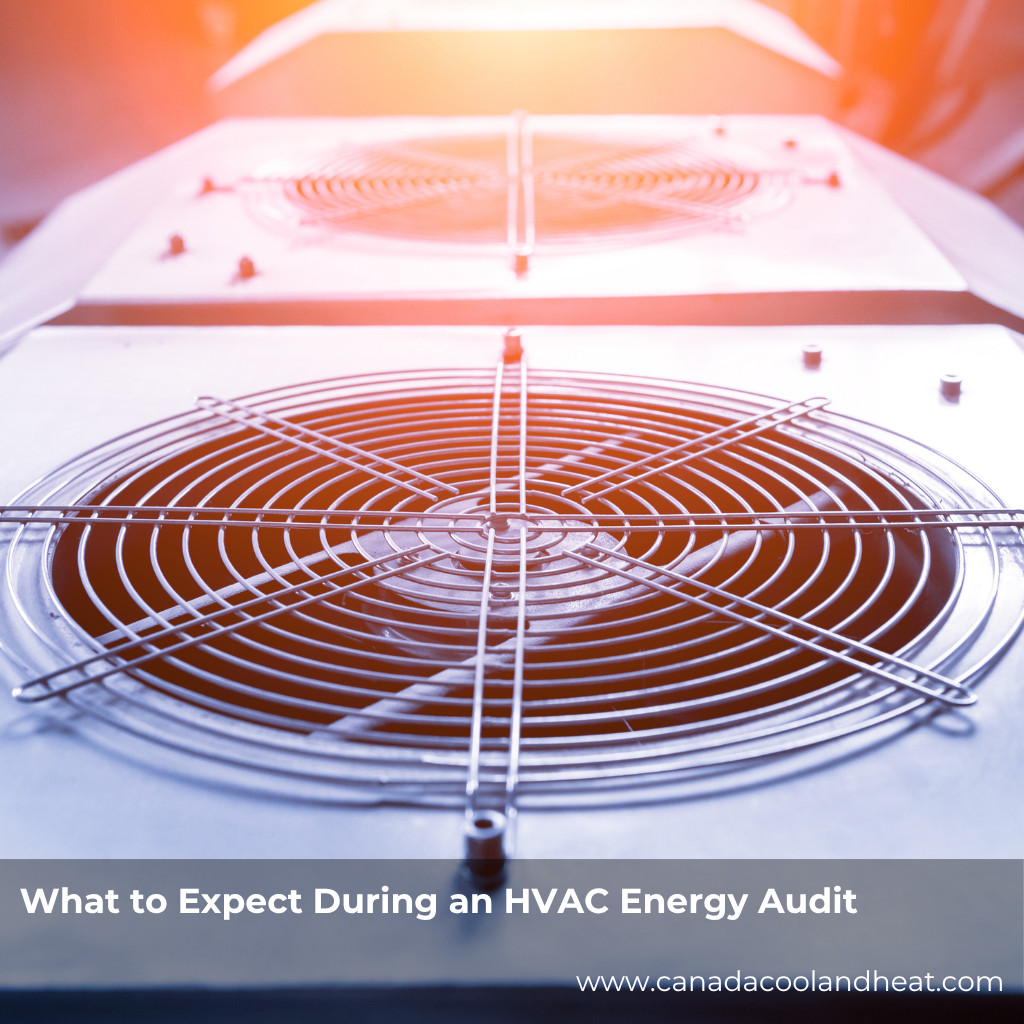
An HVAC energy audit is a thorough inspection aimed at improving efficiency, safety, and comfort. For kitchens, the process typically includes:
Step 1: Visual Inspection
The auditor examines:
-
Hood type (under-cabinet, wall-mounted, island, or commercial canopy)
-
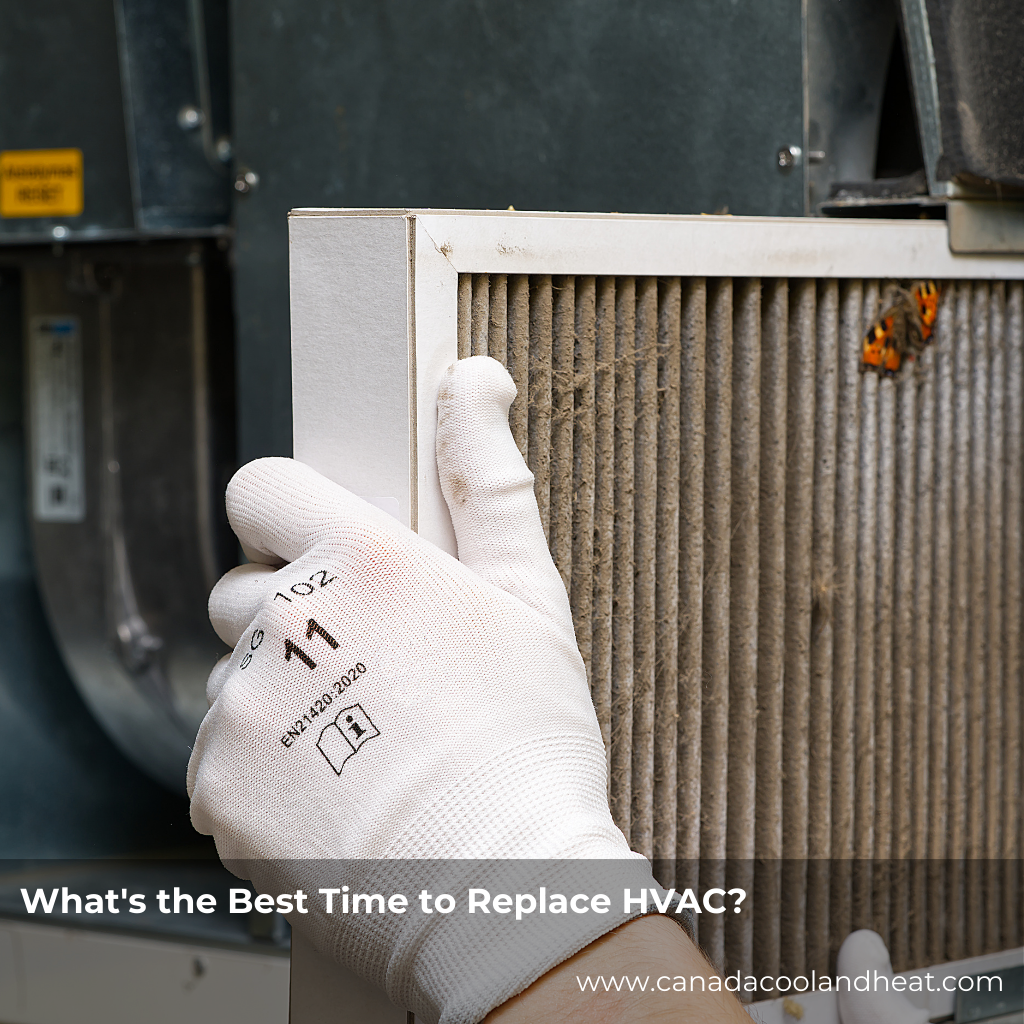
Filter cleanliness and type (baffle, mesh, or charcoal)
-
Duct condition and termination point
Step 2: Airflow Testing
Using an anemometer or flow hood, they measure:
-
Actual exhaust CFM at various fan speeds
-
Supply air volume from HVAC registers in the kitchen
-
Make-up air system performance (if present)
Step 3: Pressure Balancing
The auditor may perform a blower door test or static pressure measurement to determine whether the hood causes negative pressure when in operation.
Step 4: Energy Impact Assessment
They calculate:
-
How much conditioned air is being lost
-
Potential cost savings from more efficient fans or variable-speed controls
-
Whether the system could benefit from heat recovery ventilation (HRV) to reclaim some of the exhausted energy
Step 5: Recommendations
Based on findings, you might be advised to:
-
Upgrade to a more efficient hood motor or fan
-
Install or adjust make-up air systems
-
Reroute or resize ducts for better performance
-
Implement an automatic demand-controlled ventilation system (common in commercial kitchens)
Energy-Saving Tips for Vent Hood Use
-
Use the lowest effective fan speed for the task.
-
Turn the fan on before cooking to establish airflow early.
-
Clean filters regularly to maintain peak efficiency.
-
Consider heat recovery ventilation if running high-CFM exhaust frequently.
-
Pair with make-up air to reduce HVAC strain.
Conclusion
Your vent hood is more than a grease-and-smoke remover—it’s an active player in your building’s HVAC performance. During an HVAC energy audit, expect your auditor to test airflow, balance, and duct design to ensure your hood is doing its job without wasting energy.
The key is finding the sweet spot: a hood powerful enough to capture contaminants but balanced with your HVAC system to keep comfort and efficiency intact. With proper sizing and make-up air planning, you can protect indoor air quality, control costs, and keep your kitchen a pleasant place to work or gather.
FAQs
1. What’s the ideal CFM for a residential vent hood?
It depends on your cooking type and range size. For gas, 100–150 CFM per 10 inches of width is common.
2. Can a vent hood cause HVAC problems?
Yes—if it’s too powerful without proper make-up air, it can create negative pressure and increase HVAC workload.
3. How often should vent hood filters be cleaned?
For heavy cooking, clean baffle or mesh filters every 2–4 weeks; charcoal filters (recirculating) should be replaced every few months.
4. What’s make-up air, and why is it needed?
It’s fresh air supplied to replace what the hood exhausts, preventing negative pressure and improving HVAC efficiency.
5. Can energy audits help reduce kitchen energy bills?
Absolutely. They identify inefficiencies in ventilation and HVAC interaction, helping lower both cooking and climate control costs.
6. Do island range hoods need more power than wall-mounted ones?
Yes, because they’re open on all sides, requiring higher CFM for effective capture.
7. Are ductless range hoods good for HVAC balance?
They don’t exhaust air outside, so they don’t disrupt HVAC pressure—but they also don’t remove heat or moisture effectively.
8. Is oversized ventilation bad?
Yes—excess capacity can waste energy, cause drafts, and disrupt air balance.