Why Proper Kitchen Ventilation Matters
Cooking generates more than just delicious aromas—it also releases smoke, grease, carbon monoxide, and moisture into the air. Without the right ventilation system, these contaminants can:
-
Collect on cabinets and walls, causing sticky buildup
-
Lower indoor air quality and trigger allergies or asthma
-
Create excess humidity that strains your HVAC system
-
Increase fire hazards from grease accumulation
A properly sized vent hood captures these pollutants and exhausts them outdoors, working hand-in-hand with your HVAC system. During installation, your contractor will evaluate airflow pathways to ensure the hood doesn’t fight against the heating and cooling you rely on for comfort.
The Role of Range Hoods in HVAC Balance
Here’s the hidden truth: vent hoods don’t just remove cooking byproducts—they also change the balance of your home’s HVAC system.
When a hood fan turns on, it pulls air out of your kitchen. The higher the fan speed, the more air is sucked outside. Unless that air is replaced, your home can develop negative pressure.
Negative pressure can:
-
Pull in unconditioned outdoor air through cracks and gaps
-
Backdraft harmful gases from water heaters or furnaces
-
Reduce HVAC efficiency by throwing off temperature control
That’s why modern HVAC installation often pairs vent hoods with make-up air systems. These bring in fresh, conditioned air to replace what the hood exhausts. Think of it like a “trade”—you remove smoky, greasy air, and your HVAC system provides clean, balanced airflow in return.
Sizing Guidelines for Vent Hoods in Kitchens
Getting the size right is critical. A hood that’s too small won’t capture enough smoke; one that’s too large may overpower your HVAC balance.
Here’s a general rule of thumb:
For Gas Stoves:
-
100 CFM per 10,000 BTU of burner output
-
Example: A 50,000 BTU stove needs a 500 CFM hood
-
For Electric Stoves:
-
100 CFM per foot of cooktop width
-
Example: A 30-inch stove (2.5 feet) needs a 250 CFM hood
-
Other Sizing Tips:
-
The hood should extend 3 inches past the cooking surface on each side for maximum capture.
-
Island hoods usually need higher CFM because they’re exposed on all sides.
-
For hoods above 400 CFM, many building codes require a make-up air system.
Your HVAC installer will measure stove output, kitchen layout, and duct length to size the hood correctly without disrupting the overall air balance in your home.
What to Expect During HVAC Installation in Kitchens
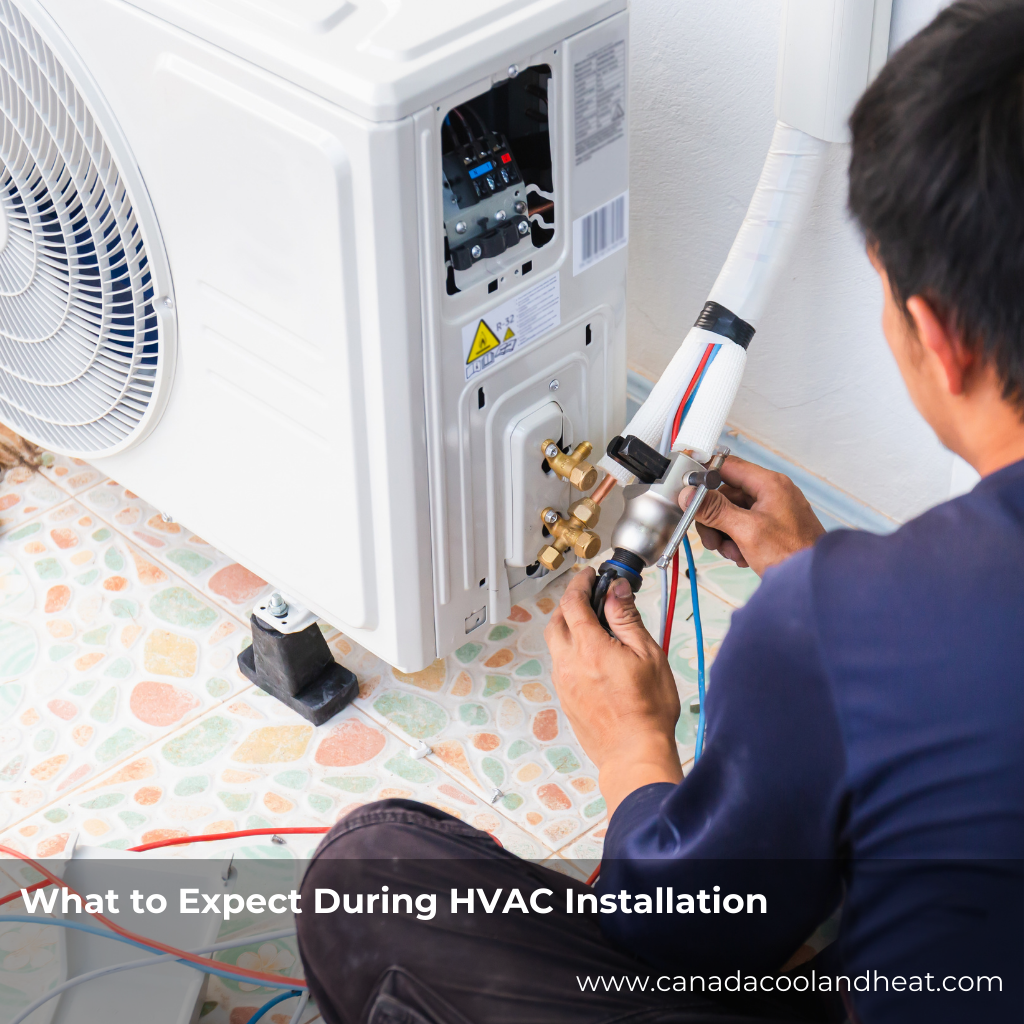
When your HVAC team arrives to set up ventilation, here’s the general process:
-
Assessment: They’ll evaluate your stove, kitchen size, and ductwork options.
-
Vent Hood Placement: Proper positioning ensures maximum capture while keeping airflow balanced.
-
Ductwork Design: Smooth, straight ducts are preferred—bends reduce efficiency.
-
Make-Up Air Integration: If required, fresh air systems are connected to keep your HVAC in balance.
-
Testing: Airflow is measured to confirm the hood pulls contaminants effectively without overworking the HVAC system.
Conclusion
Your kitchen is the heart of your home—but without proper ventilation, it can quickly become uncomfortable, unhealthy, and inefficient. By understanding how vent hood HVAC kitchens affect airflow balance, you’ll be better prepared when it’s time for HVAC installation.
The right hood, properly sized and integrated with your HVAC system, keeps the air clean, the temperature steady, and your cooking enjoyable. When you work with an experienced contractor, you’ll get a system that makes your kitchen safer and your home more comfortable.
👉 Ready to upgrade your kitchen ventilation? Contact a certified HVAC professional today to evaluate your vent hood and airflow needs.
FAQs
1. What happens if my vent hood is too powerful?
It can create negative pressure in your home, pulling in outdoor air and reducing HVAC efficiency. Make-up air systems solve this issue.
2. Do I really need a vent hood if I have a good HVAC system?
Yes. HVAC manages heating/cooling, but vent hoods specifically capture smoke, grease, and odors directly at the source.
3. How often should vent hood filters be cleaned?
Metal mesh filters should be cleaned monthly. Charcoal filters in recirculating hoods should be replaced every 3–6 months.
4. Can I vent my hood into the attic instead of outdoors?
No. That traps grease and moisture inside your home, creating damage and fire risks. Always vent outside.
5. What’s the best CFM for a residential kitchen hood?
Most homes do well with 250–600 CFM, depending on stove type and cooking style. High-BTU stoves may need more.
6. How do I know if I need a make-up air system?
If your hood exceeds 400 CFM or you notice drafty conditions when it runs, a make-up air system is often required by code.
7. Is an island hood less effective than a wall-mounted hood?
Yes, because it’s exposed on all sides. You’ll typically need higher CFM for island installations.