Why Proper Kitchen Ventilation Matters
Picture a cozy evening: stew bubbling on the stove, garlic sizzling in olive oil, windows fogging slightly from the warmth. While it feels comforting, all that steam, smoke, and airborne grease needs to go somewhere. Without a proper vent hood, you risk:
- Lingering odors that seep into curtains and walls
- Moisture buildup leading to mold and mildew
- Poor indoor air quality, particularly harmful for asthma or allergy sufferers
A good vent hood does more than remove smells—it actively protects your health and your home.
The HVAC Connection: How Range Hoods Affect Air Balance
Vent hoods work by pulling air out of your kitchen. In a tightly sealed home (as many Canadian homes are for energy efficiency), this can create negative pressure. Here’s what happens:
- Your range hood sucks out air from the kitchen
- Your furnace, especially if it’s a high-efficiency sealed combustion model, may struggle to intake fresh air
- You get backdrafting from your chimney or gas appliances—a dangerous reversal of airflow that can pull harmful gases indoors
Balanced Ventilation: The Key
To maintain harmony in your home’s air flow, it’s crucial to balance what’s taken out with what comes in. This often involves:
- Make-up air systems: These bring fresh air in to compensate for what the hood removes
- Energy Recovery Ventilators (ERVs) or Heat Recovery Ventilators (HRVs): Especially useful in cold climates, these devices pre-warm incoming air
- Smart HVAC integration: Some modern systems coordinate ventilation, heating, and cooling seamlessly
Choosing the Right Vent Hood for Your Kitchen
Let’s get practical. The vent hood you choose should match your cooking habits and the size of your kitchen. Here’s how to make a smart choice:
1. Know Your Cooking Style
- If you do heavy frying or grilling, opt for a more powerful hood (higher CFM)
- For light cooking, a standard hood may suffice
2. Understand CFM Ratings
- CFM stands for Cubic Feet per Minute — how much air the hood can move
- General rule: 100 CFM per 10,000 BTU of stove power or per linear foot of cooking surface
3. Ducted vs. Ductless
- Ducted hoods vent outdoors (preferred for best air quality)
- Ductless hoods filter and recirculate air, better than nothing but less effective
4. Size Matters
- Your hood should be at least as wide as your cooktop, ideally extending 3 inches beyond each side
- Install the hood 20 to 30 inches above the stove for optimal performance
How to Keep HVAC Systems and Range Hoods in Sync
To avoid the airflow tug-of-war in your home, consider these integration tips:
- Consult an HVAC specialist when installing a high-CFM range hood
- Use variable-speed hoods to adjust ventilation based on need
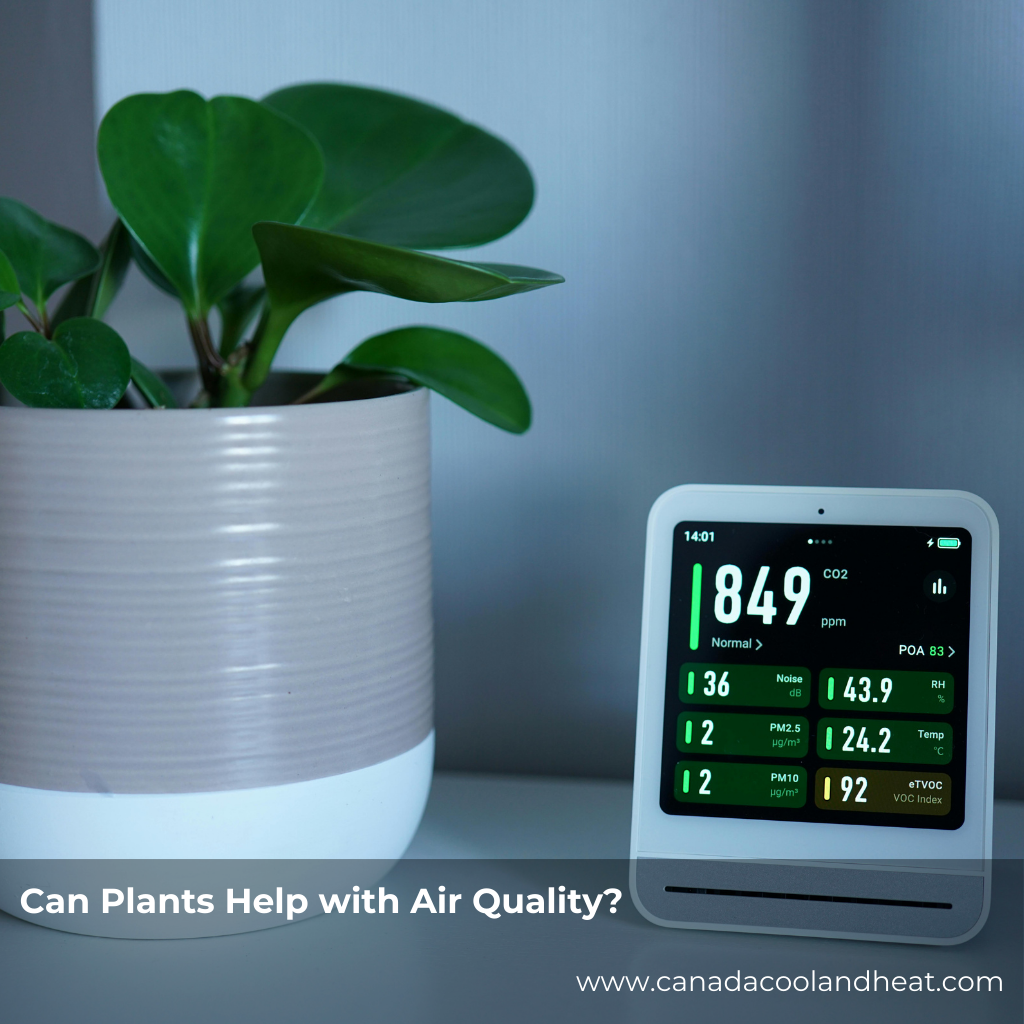
- Install pressure sensors or air quality monitors to fine-tune system performance
A well-coordinated system means no drafts, no backdrafts, and a furnace that doesn’t work harder than it should.
Conclusion: Comfort is a System, Not a Single Appliance
The best furnace brand for Canadian homes? That depends on your home’s unique needs, but one thing is clear: even the best furnace can’t do its job alone. Your range hood, ventilation strategy, and HVAC setup all work together to create a comfortable, safe, and energy-efficient space.
So next time you upgrade your kitchen or furnace, remember the invisible forces at play. Because in a Canadian home, warmth is more than just heat—it’s about balance.
FAQs
1. Why is my range hood causing drafts in winter?
High-powered hoods can create negative pressure, pulling cold air in through leaks. A make-up air system can solve this.
2. Can a vent hood affect furnace performance?
Yes. Strong vent hoods can disrupt airflow balance, potentially impacting furnace efficiency and safety.
3. What size range hood do I need for a 30-inch cooktop?
At least a 30-inch hood (ideally 36 inches) with around 300 CFM for light to moderate cooking.
4. Are ductless range hoods effective?
They help reduce odors but don’t remove heat or moisture. Ducted hoods are far superior.
5. Do I need professional installation for my vent hood?
For high-CFM units or integrated systems, yes. Professional installation ensures safety and efficiency.
6. How do I know if my home needs a make-up air system?
If your hood is over 400 CFM, you likely need one. Signs include drafts, smoke not clearing, or backdrafting.
7. What’s the quietest type of range hood?
Remote blower models are quieter since the motor is placed farther from the kitchen.
8. How often should I clean my range hood filters?
Metal filters: every month. Charcoal filters: replace every 3-6 months depending on usage.
9. Can kitchen ventilation help reduce heating costs?
Yes—by maintaining balanced airflow, your HVAC system runs more efficiently, saving energy.
10. Are there smart vent hoods available?
Yes! Many modern models include sensors, Wi-Fi controls, and integration with HVAC systems.