
How to Create a Preventive Maintenance Checklist for Your HVAC

Why a Preventive Maintenance Checklist is Essential Increases HVAC efficiency – Regular maintenance reduces energy consumption. Extends equipment lifespan – Prevents premature wear and tear. Improves air quality – Ensures cleaner indoor air by reducing dust and allergens. Reduces costly repairs – Identifies minor issues before they become major problems. Enhances system performance – Keeps […]
Top 5 Causes of High Energy Bills (And How HVAC Can Help)

1. Air Leaks and Poor Sealing The Problem: Gaps around doors, windows, and ductwork allow conditioned air to escape, forcing your HVAC system to work harder to maintain a comfortable temperature. This leads to increased energy consumption and higher bills. HVAC Solution: Duct Sealing: Ensure your ductwork is properly sealed to prevent air leaks. Weatherstripping […]
Should You Turn Off Your HVAC System When You Go on Vacation?

Pros and Cons of Turning Off Your HVAC System Pros of Turning Off Your HVAC on Vacation Energy Savings – Completely turning off your HVAC system prevents it from running unnecessarily, leading to lower energy bills. Reduced Wear and Tear – Less operation means less strain on your HVAC system, potentially extending its lifespan. Eco-Friendly […]
How to Properly Insulate Attic & Walls for Better HVAC Performance

Types of Insulation Several types of insulation can be used for attics and walls. Each has its own advantages depending on your budget, climate, and home structure. 1. Fiberglass Batt Insulation Made from tiny glass fibers, typically installed in rolls or batts. Cost-effective and easy to install. Best suited for attics and walls with standard […]
Pros & Cons of HRV vs. ERV Systems

What Are HRV and ERV Systems? Both HRV (Heat Recovery Ventilators) and ERV (Energy Recovery Ventilators) are designed to improve indoor air quality by exchanging stale indoor air with fresh outdoor air. However, their mechanisms and benefits differ: HRV (Heat Recovery Ventilator): Transfers only heat between incoming and outgoing air, reducing heating or cooling losses. […]
Tips for Efficiently Heating a Cottage in Winter

Tips for Efficiently Heating a Cottage in Winter For Canadian cottage owners, winter presents unique heating challenges. Ensuring your cottage stays warm without excessive energy costs requires strategic planning. This guide will explore effective cottage heating tips focusing on insulation, appropriate heating systems, pipe-freeze prevention, and cost-saving strategies. 1. Prioritize Proper Insulation Insulation is the […]
Why Professional Duct Cleaning Is Important (and When to DIY)

The Benefits of Professional Duct Cleaning 1. Improved Indoor Air Quality Dirty air ducts can harbor dust, pollen, pet dander, and even mold spores. When your HVAC system runs, these contaminants circulate throughout your home, potentially causing allergies and respiratory issues. Professional duct cleaning removes deep-seated pollutants, ensuring fresher and cleaner air. 2. Enhanced HVAC […]
How to Safely Clean Mold from Your Air Ducts
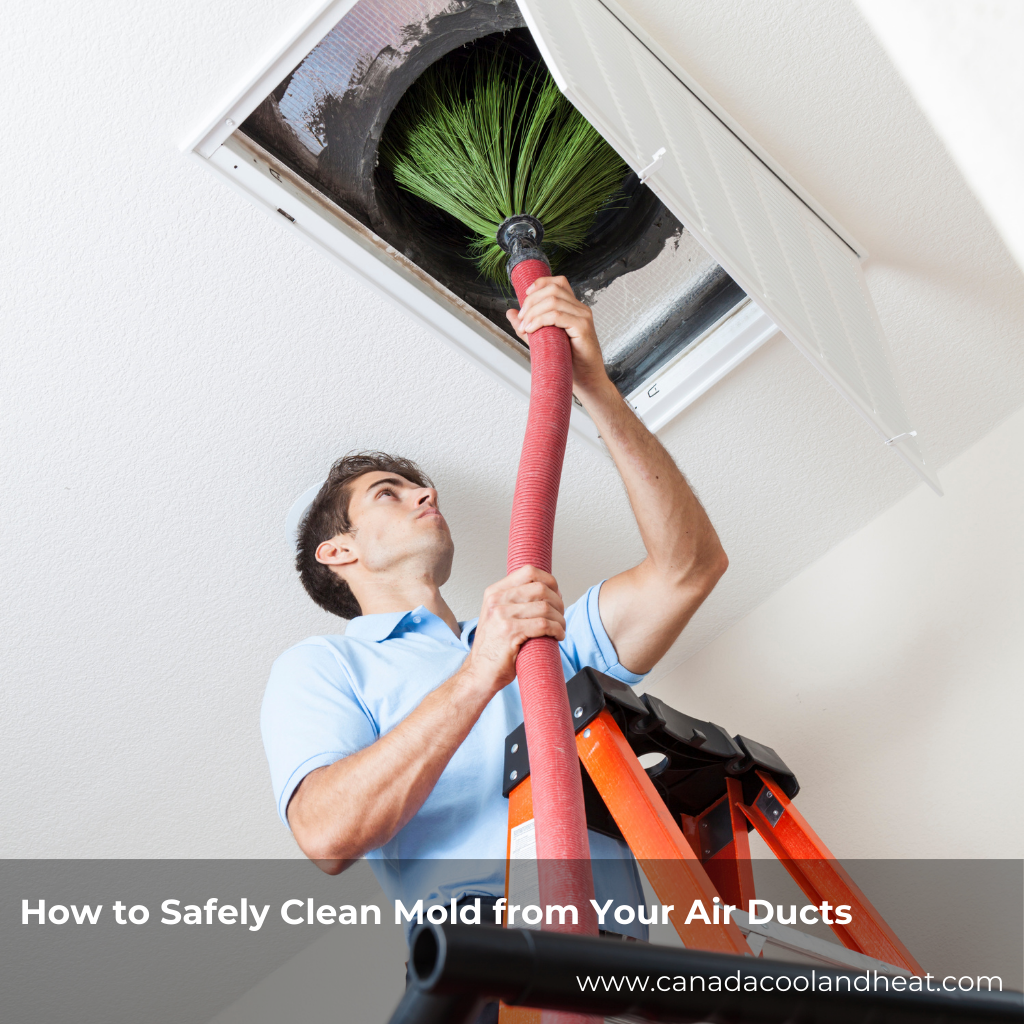
Signs of Mold in Air Ducts Before you start cleaning, it’s important to confirm that mold is present in your air ducts. Here are some common signs: Musty Odors: A persistent, moldy smell coming from your vents. Visible Mold Growth: Black, green, or white spots inside the ducts or around vents. Increased Allergies or Respiratory […]
Smart Vents: Are They Worth the Investment?

How Do Smart HVAC Vents Work? Smart vents function by automatically regulating airflow to different rooms in a house. Unlike traditional vents, which remain either fully open or closed, smart vents use sensors, Wi-Fi connectivity, and integration with smart thermostats to adjust airflow dynamically. Here’s how they operate: Temperature Sensors: Detect temperature variations in different […]
Comparing Radiant Floor Heating to Baseboard Heating

Efficiency: Energy Consumption and Cost Radiant Floor Heating Radiant floor heating is known for its high efficiency. It operates by warming the floor directly, which then radiates heat evenly throughout the space. Because heat rises naturally, less energy is wasted, and homeowners experience consistent warmth at lower thermostat settings. Hydronic (water-based) systems are the most […]