
Can Plants Help with Air Quality?
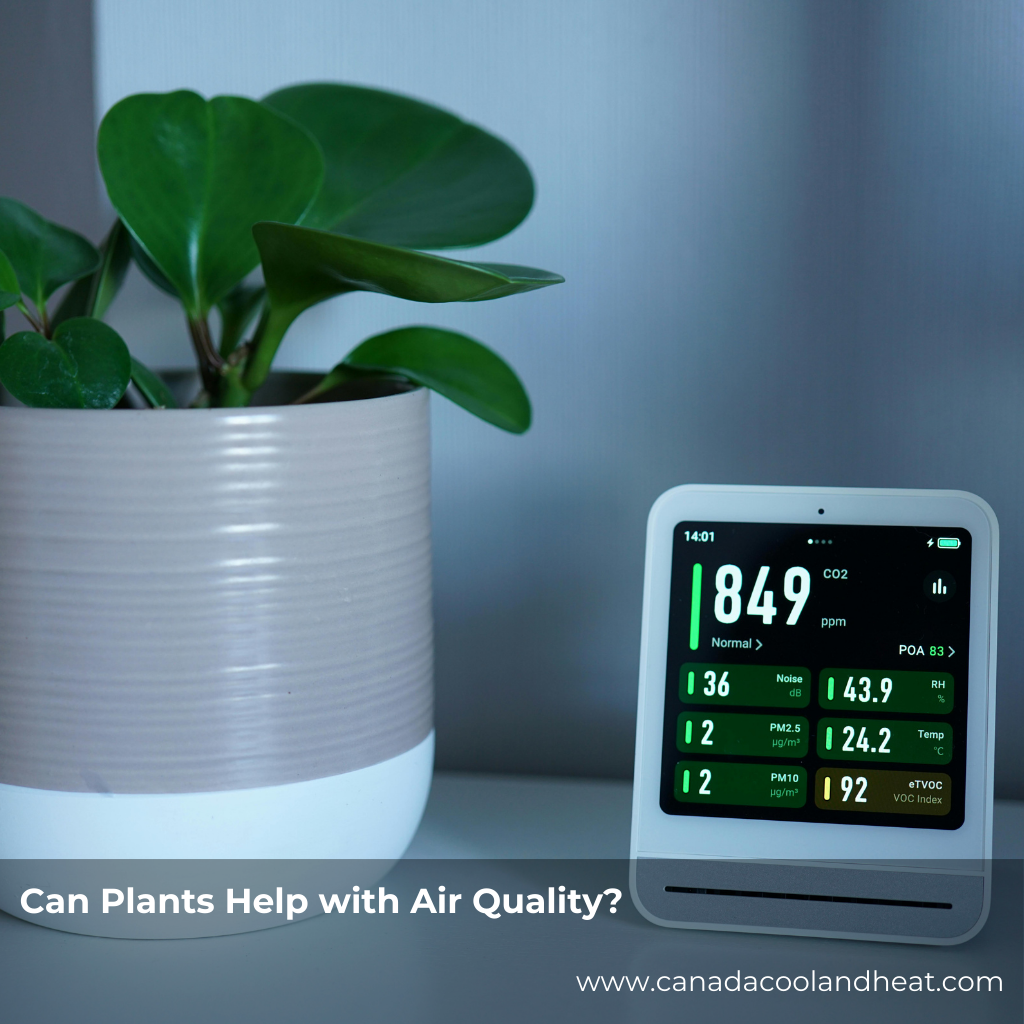
Can Plants Really Improve Kitchen Air Quality? Plants can provide minor benefits, such as psychological comfort and minimal VOC absorption. However, their impact on kitchen air quality is extremely limited. What plants can do: Slightly increase humidity Absorb very small amounts of VOCs Improve perceived air freshness What plants cannot do: Remove grease particles Capture […]
Understanding SEER Ratings

Why Proper Ventilation Matters in the Kitchen Cooking produces more than delicious smells—there’s heat, moisture, grease particles, and sometimes combustion byproducts. Without a well-designed ventilation system, these pollutants linger in your home and wreak havoc on indoor comfort. The Big Benefits of Proper Ventilation Removes smoke, odors, and airborne grease Reduces excess heat and humidity […]
The Importance of a Thermostat Location
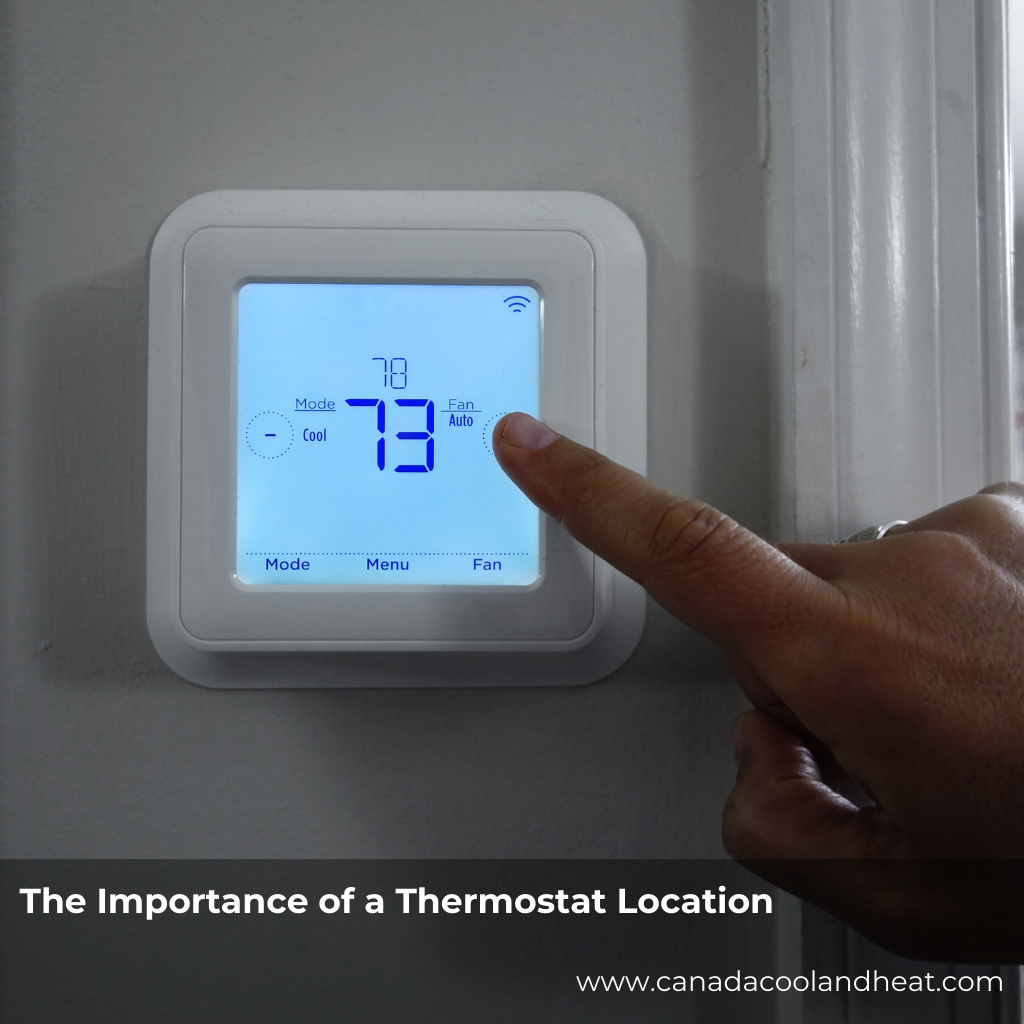
Why Proper Ventilation Matters in Cooking A kitchen isn’t just a place to prepare meals — it’s a miniature climate system. Cooking releases: Heat Moisture Smoke and particulates Odors Grease vapor These contaminants linger without an effective vent hood. When hot air builds up, your thermostat — usually placed in a hallway or living space […]
How to Reduce HVAC Carbon Footprint
Why Proper Kitchen Ventilation Matters Imagine cooking a large meal: boiling pots, sizzling pans, aromatic spices, and maybe a little smoke from that experimental recipe. All of this creates a mix of heat, moisture, and airborne particles. Without proper ventilation, these contaminants linger, spreading throughout the living space and making your HVAC system work overtime. […]
Why Does My AC Make a Loud Noise?
The Hidden Tug-of-War Between Your Vent Hood and HVAC System Think of your home’s HVAC system as a set of lungs—it breathes air in and out, keeping everything balanced. Now, imagine your kitchen vent hood as a powerful exhale, sucking air out at high speed to clear smoke and odors. If your vent hood is […]
How to Troubleshoot HVAC Airflow Problems

The Role of Vent Hoods in Kitchen Airflow Imagine a kitchen as a living organism: the HVAC system is the lungs, and the vent hood is its nose. When you cook, grease particles, steam, and heat rise into the air. The vent hood captures these contaminants and directs them outside, keeping your air fresh and […]
Energy Star Ratings: What They Mean

Why Proper Kitchen Ventilation Matters Cooking generates heat, moisture, and airborne particles that can affect both air quality and comfort. A properly ventilated kitchen removes: Smoke and odors Steam and excess humidity Airborne grease particles Without effective ventilation, those contaminants linger — coating surfaces, affecting indoor air quality, and even making your HVAC system work […]
How Long Should an HVAC System Last?
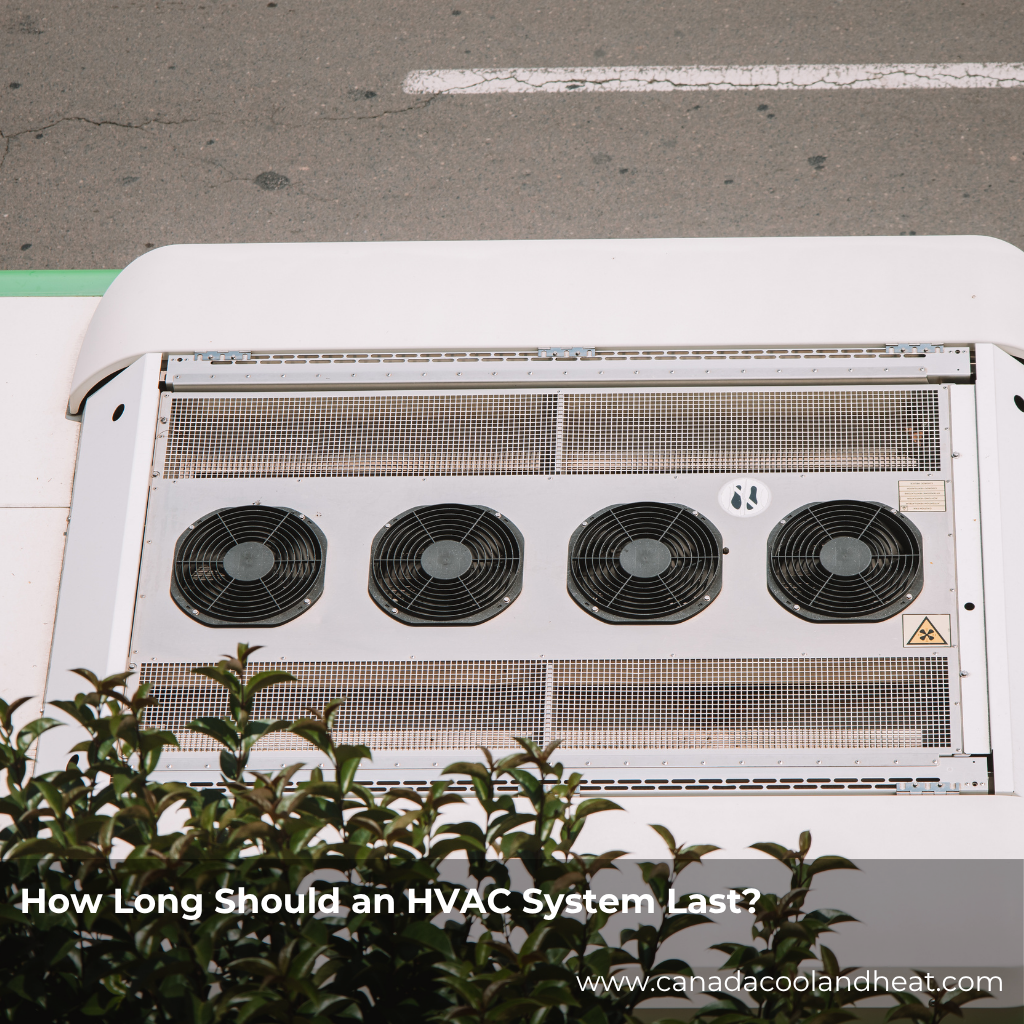
The Average Lifespan of an HVAC System Most well-maintained HVAC systems last 15 to 25 years, depending on the equipment quality, maintenance habits, and environmental conditions. However, when installed in kitchen environments, where air quality and temperature fluctuate constantly, the system works much harder. Here’s a quick look at expected lifespans for key components: Component […]
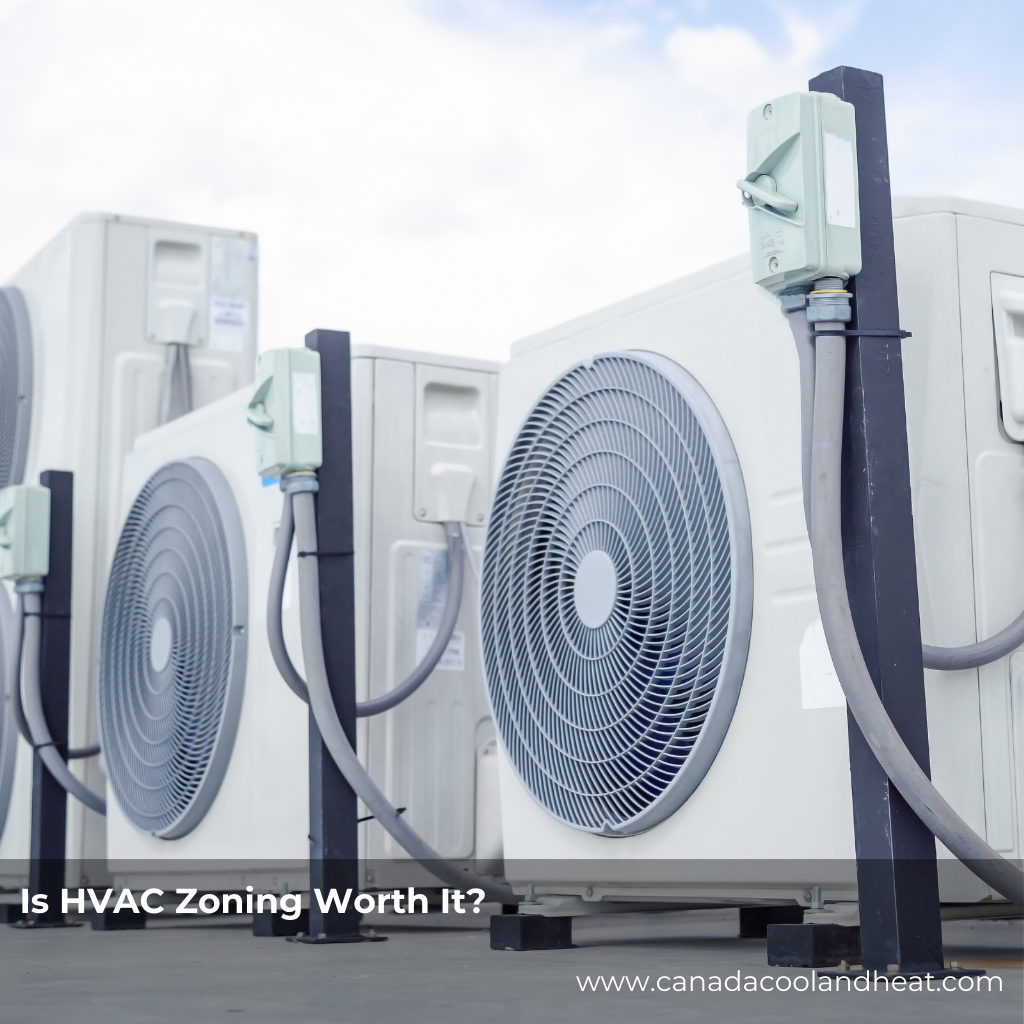
Is HVAC Zoning Worth It?
Why Proper Ventilation in Kitchens Matters Cooking produces more than just delicious aromas. It also releases: Heat and moisture – from boiling, baking, and frying Grease particles – which can cling to walls, cabinets, and ducts Gases and byproducts – like carbon monoxide from gas stoves Without a properly designed ventilation system, these pollutants stay […]
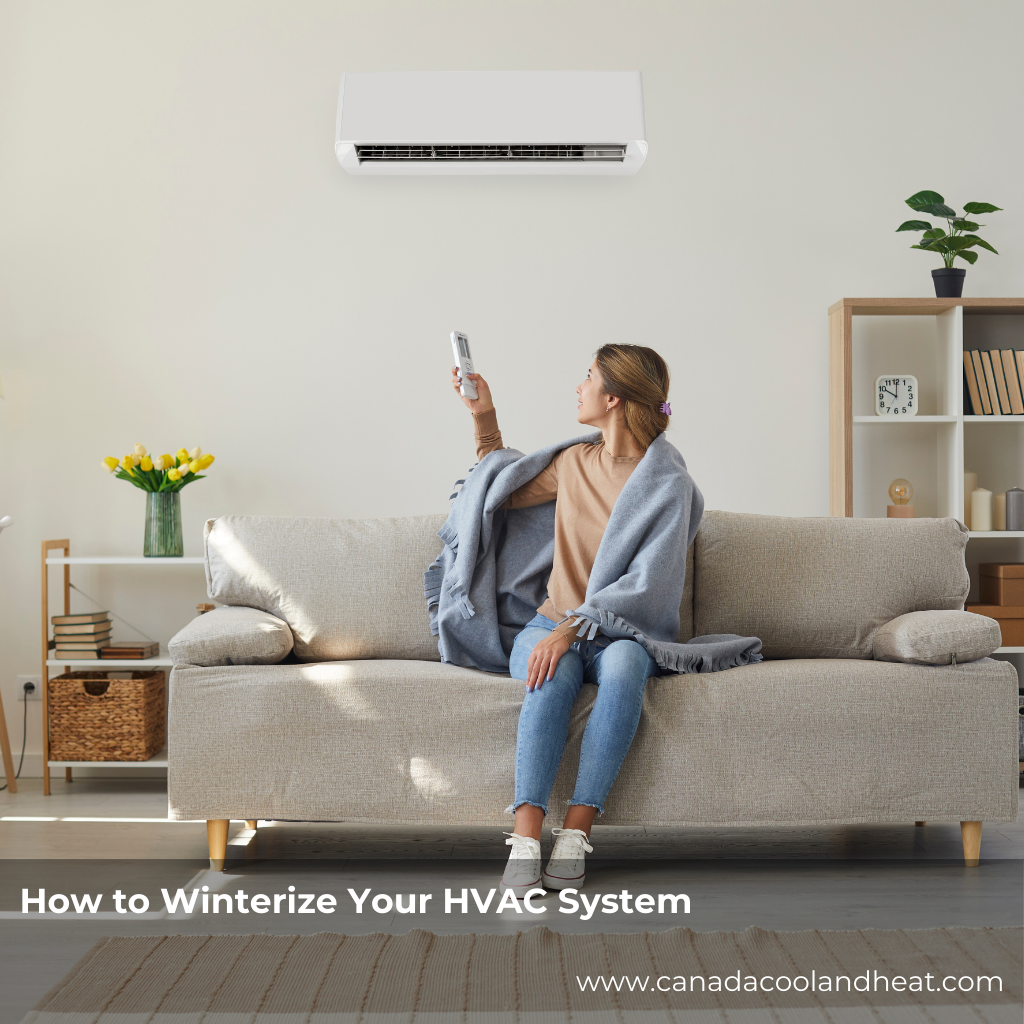
How to Winterize Your HVAC System
Why Kitchen Ventilation Matters in Winter Imagine cooking a holiday meal: steam rising from pots, aromas filling the air, and the oven humming. Without ventilation, all that heat, smoke, and grease-laden vapor lingers. A good vent hood keeps the air clean—but it does more than just whisk away smells. Moisture control: Cooking releases water vapor […]