To ventilate your home in winter without losing heat, use methods like heat recovery ventilators (HRVs) or energy recovery ventilators (ERVs), which exchange stale indoor air with fresh outdoor air while retaining heat. You can also use exhaust fans strategically or open windows briefly to refresh air without significant heat loss.
Understanding Ventilation Needs in Winter
Winter can make it tough to balance warm indoor environments with the need for fresh air. Homes are often sealed tight to keep the cold out, but this can trap pollutants and moisture inside. Proper ventilation is essential to maintain indoor air quality, prevent mold growth, and ensure a healthy living space.
Using Heat Recovery Ventilators (HRVs)
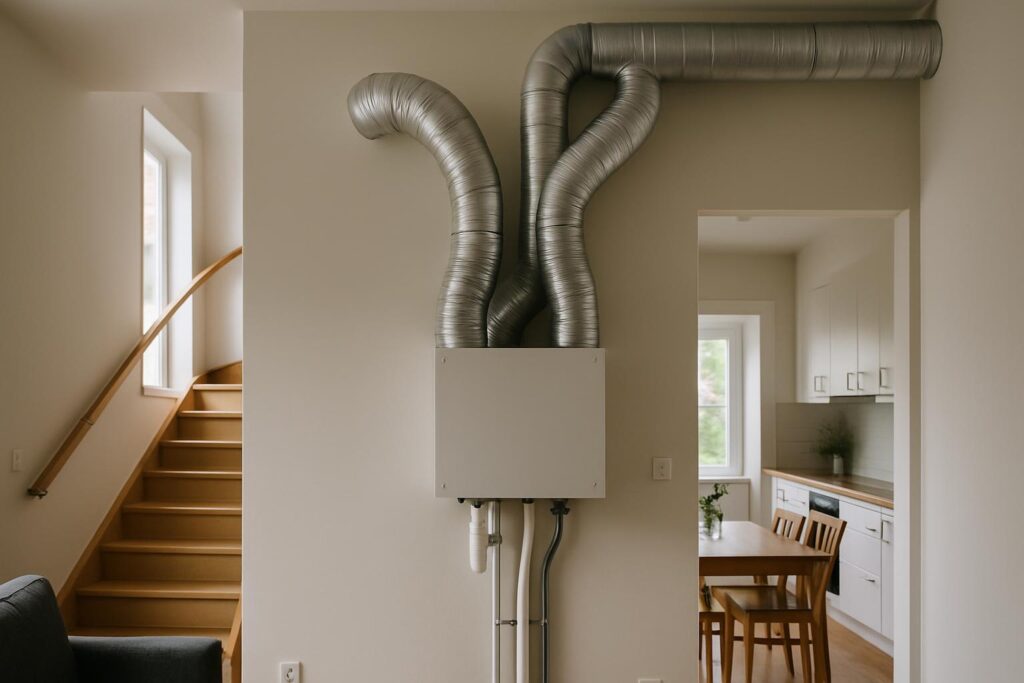
HRVs are an effective way to ventilate your home in winter. These systems bring in fresh air while capturing the heat from outgoing stale air. The heat is transferred to the incoming air, minimizing heat loss.
- HRVs are particularly useful in colder climates where maintaining indoor heat is crucial.
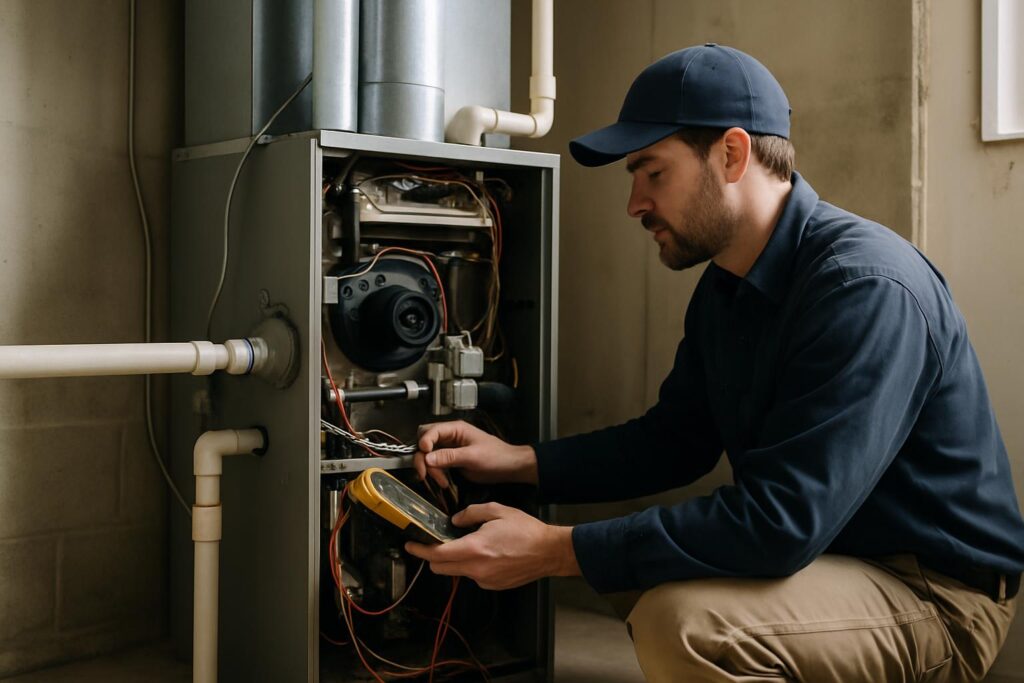
- Installation can be complex, so consider consulting with a professional HVAC contractor.
Energy Recovery Ventilators (ERVs)
Similar to HRVs, ERVs also exchange indoor and outdoor air, but they additionally manage humidity. This can be beneficial in areas where humidity can be as much of a concern as temperature.
- ERVs are ideal for regions with varying humidity levels, helping maintain comfortable moisture levels indoors.
- Like HRVs, professional installation is recommended for optimal performance.
Strategic Use of Exhaust Fans
Exhaust fans in kitchens and bathrooms can help expel moist, stale air. They should be used strategically to minimize heat loss.
- Run fans for short periods to avoid unnecessarily cooling your home.
- Consider fans with timers or humidity sensors to automate their operation.
Briefly Opening Windows
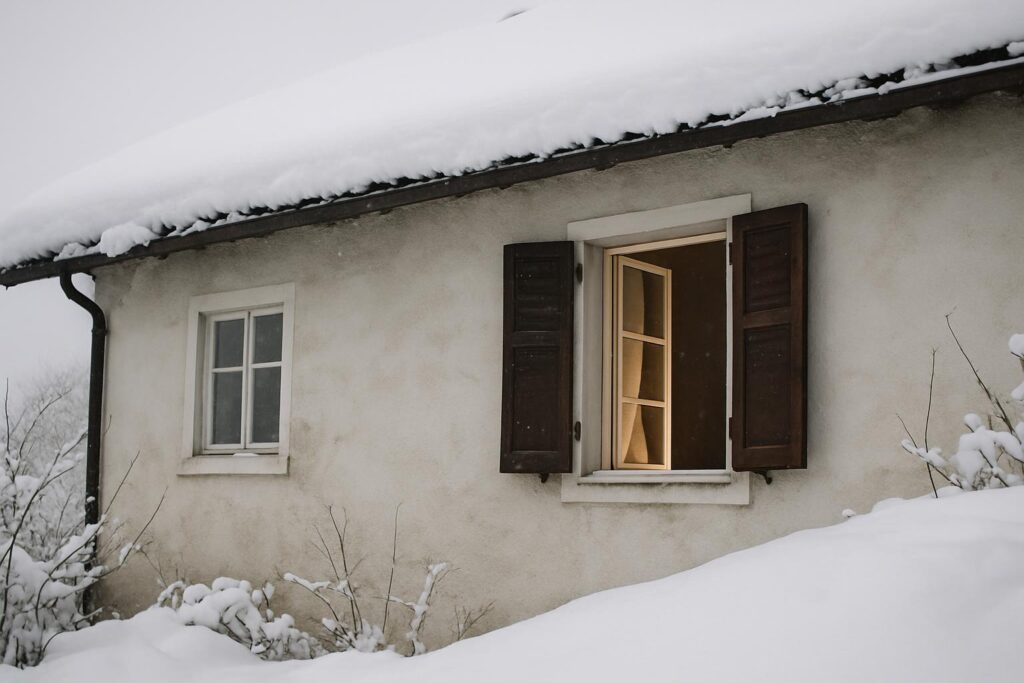
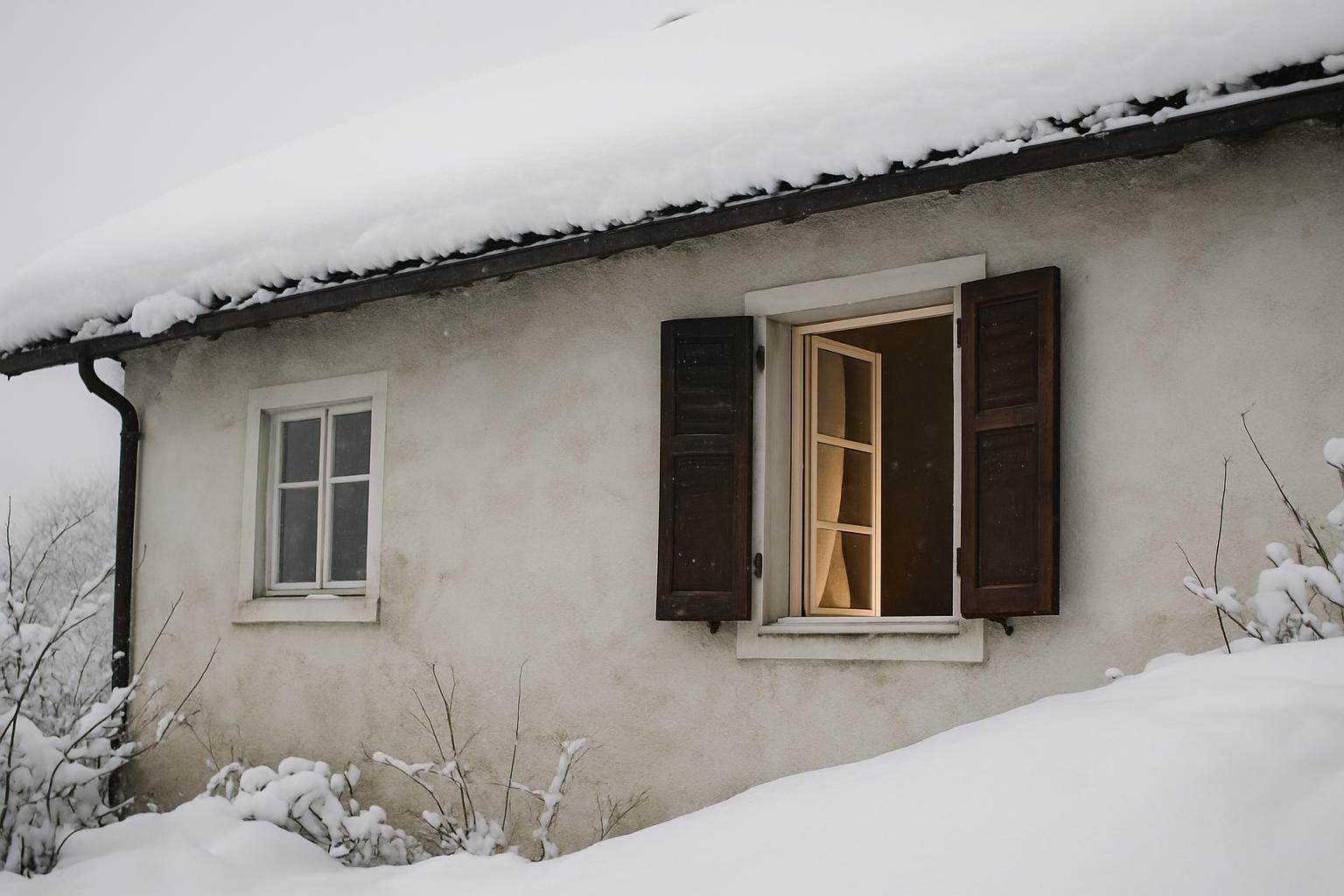
Opening windows for a short time can refresh air while keeping heat loss to a minimum. This method is most effective when used during the warmest part of the day.
- Open windows on opposite sides of the house to create a cross breeze.
- Limit the duration to just a few minutes to retain heat.
Sealing and Insulating
While not directly a ventilation method, ensuring your home is well-sealed and insulated can help keep warmth in while allowing you to ventilate strategically.
“A combination of well-sealed windows and strategic ventilation keeps your home fresh and warm through winter.”
Check for drafts around windows and doors, and seal any gaps to prevent heat from escaping.
Practical Steps You Can Take
To keep your home fresh and warm in winter, consider installing an HRV or ERV, use exhaust fans wisely, and limit window openings to brief periods. Consult a local contractor for installation options. You can find professionals in various cities, such as Toronto and Calgary.