
Can Plants Help with Air Quality?
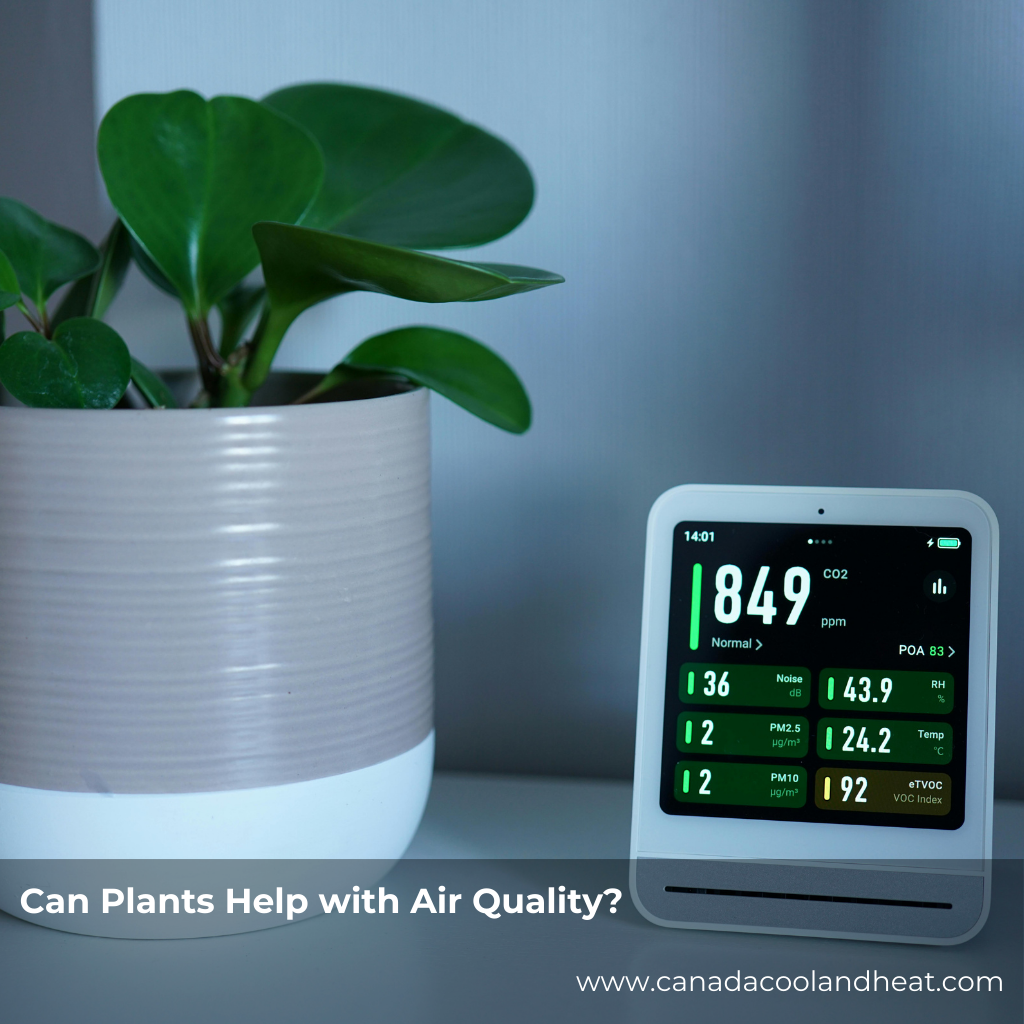
Can Plants Really Improve Kitchen Air Quality? Plants can provide minor benefits, such as psychological comfort and minimal VOC absorption. However, their impact on kitchen air quality is extremely limited. What plants can do: Slightly increase humidity Absorb very small amounts of VOCs Improve perceived air freshness What plants cannot do: Remove grease particles Capture […]
How to Stop Air Leaks in Your Ducts
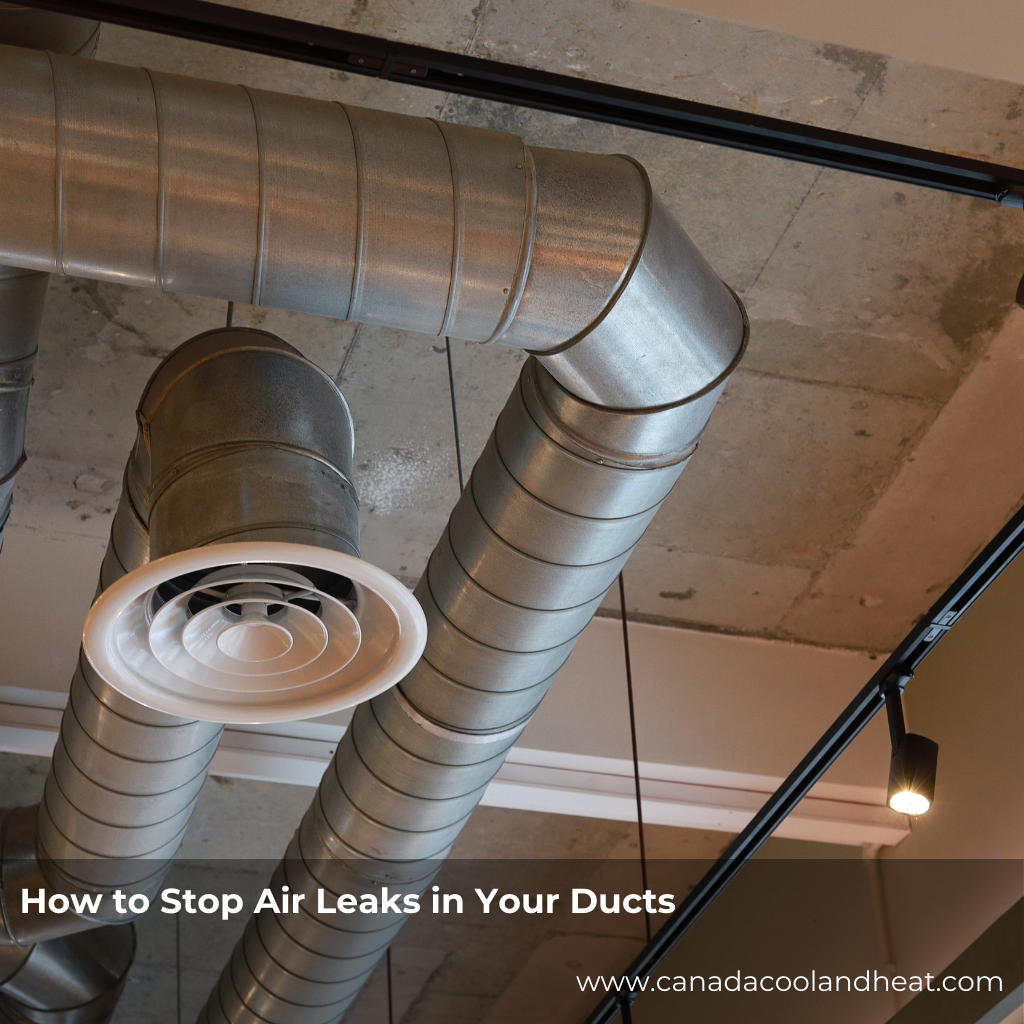
Why Proper Kitchen Ventilation Matters Cooking releases heat, moisture, smoke, grease particles, and odors—and all of that needs a fast and efficient exit route. But poor duct sealing or mismatched airflow can cause major problems, including: Pressure imbalances Excessive humidity Backdrafting in gas appliances HVAC inefficiency Higher energy bills And in kitchens, where airflow is […]
How to Dehumidify Your Home Naturally
Why Kitchen Ventilation Matters More Than You Think Cooking releases a surprising amount of moisture and airborne particles into your home. Boiling, frying, and even baking contribute to humidity levels that your HVAC system must then manage. Moisture buildup: Trapped humidity can lead to mold, mildew, and warped wood. Odor retention: Without good airflow, smells […]
Top Signs of Poor Indoor Air Quality
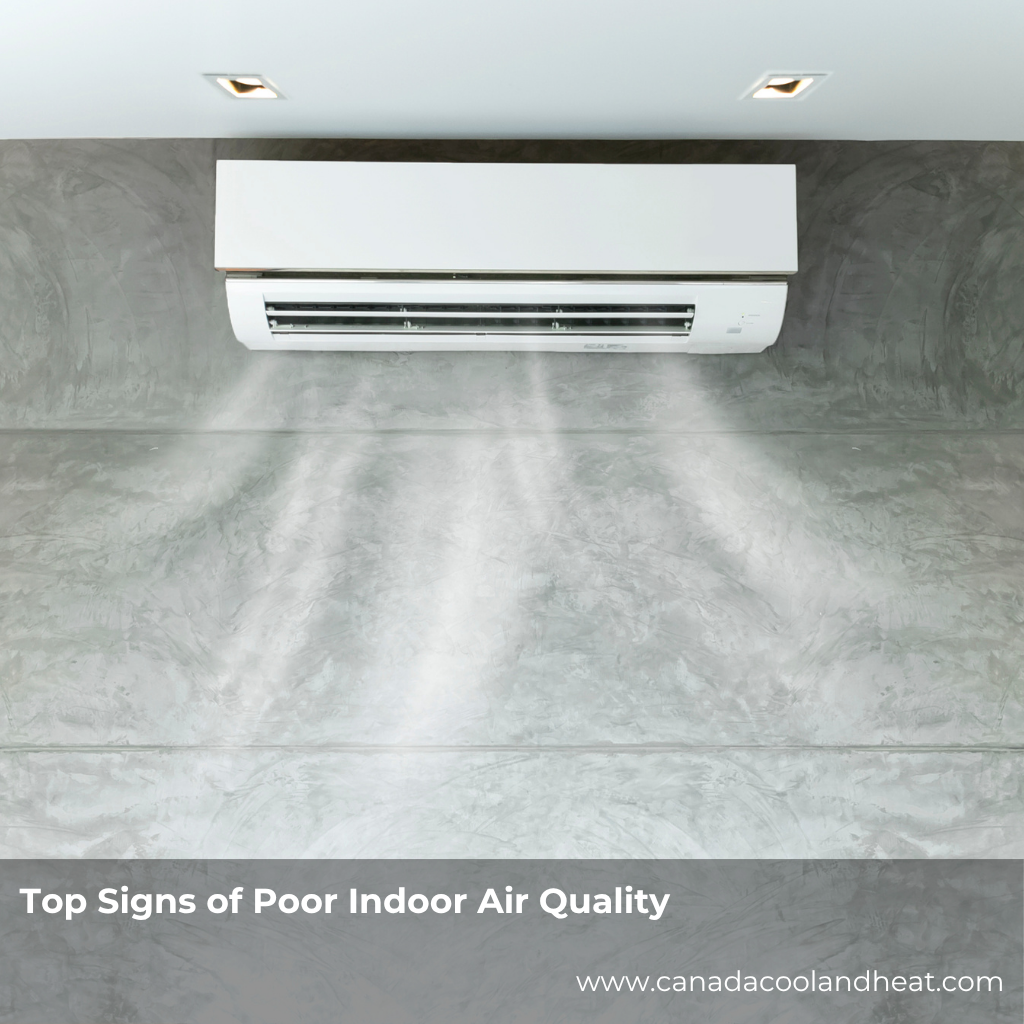
The Subtle Clues: Recognizing Poor Indoor Air Quality Have you ever cooked a big meal — maybe a stir-fry or bacon breakfast — and noticed that smoky haze lingering long after? That’s one of the first signs that your ventilation isn’t keeping up. Here are a few other warning signs that your air could use […]
How to Improve Air Circulation at Home

Why Kitchen Ventilation Matters More Than You Think The kitchen is the heart of the home — but it’s also one of the biggest sources of indoor air pollution. Cooking releases moisture, grease, carbon dioxide, and fine particles that linger long after the meal is done. Without good airflow, these pollutants can: Build up on […]
What’s the Ideal Indoor Humidity Level?
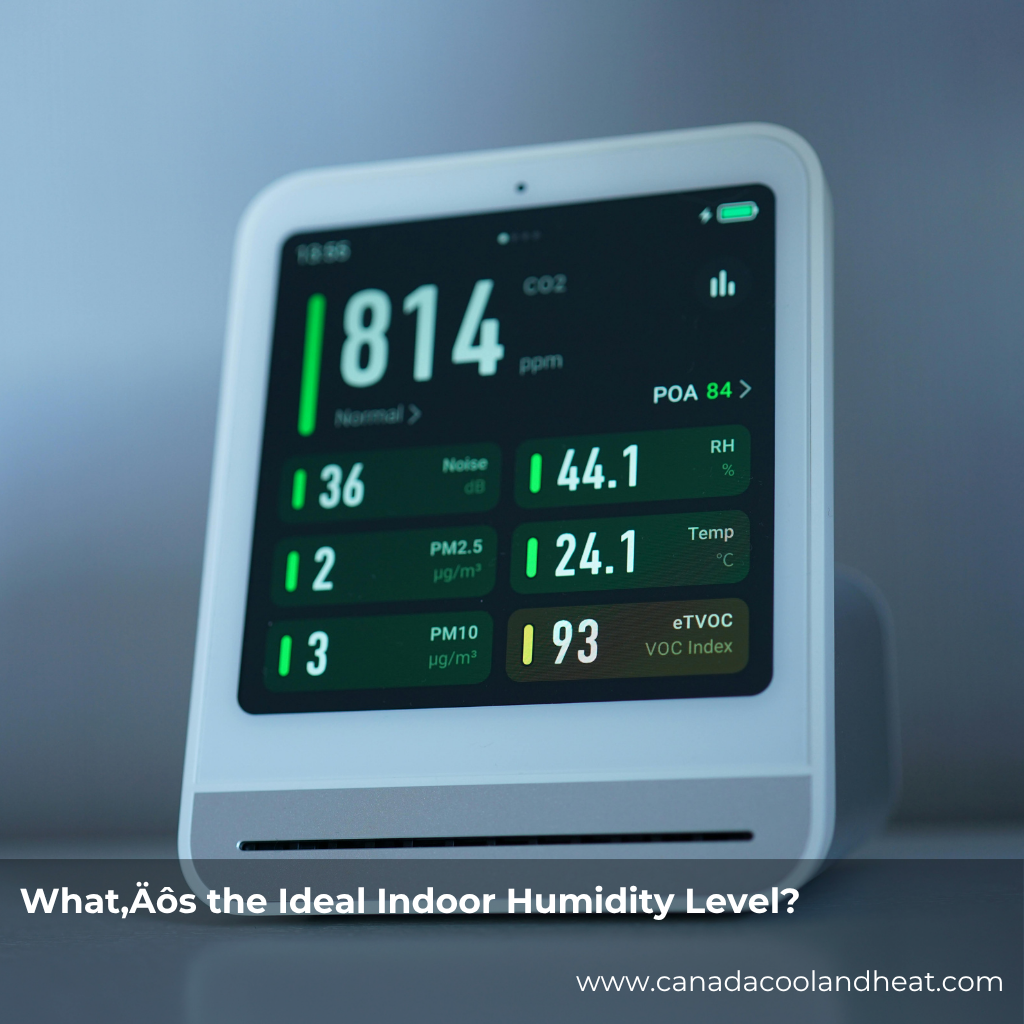
Understanding Indoor Humidity and Why It Matters Indoor humidity is the amount of moisture vapor in your home or business’s air. For comfort and health, the ideal indoor humidity level typically ranges from 30% to 50%. Too much humidity can lead to: Mold growth and condensation on walls or windows. Warped wood cabinets or floors. […]
Are HVAC UV Lights Effective?
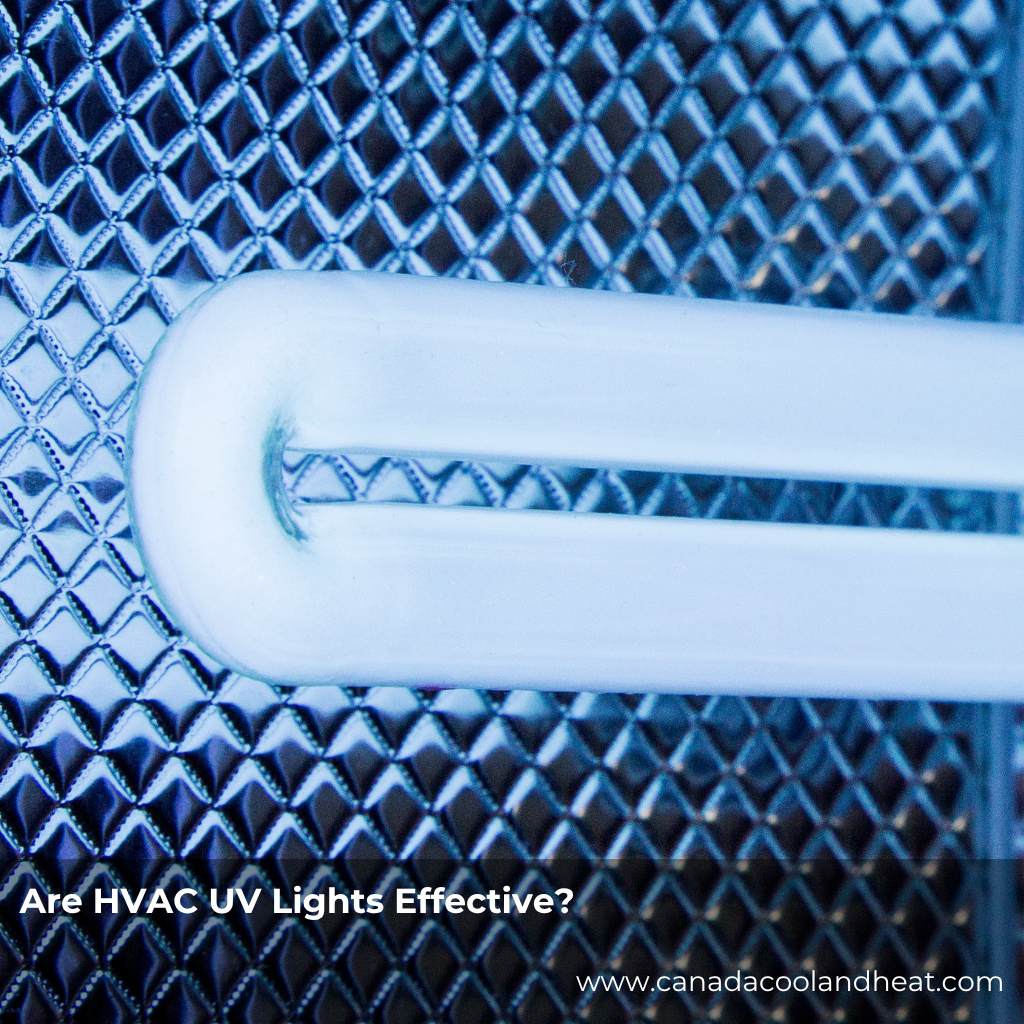
Why Proper Ventilation Matters Think of your kitchen as a small chemistry lab. Every time you cook, heat breaks down fats, oils, and proteins, releasing particles into the air. Without good ventilation, these linger, sticking to your walls, cabinets, and even entering your HVAC system. Proper ventilation does three things: Removes contaminants like smoke, grease, […]
How to Reduce Mold Growth in Ducts
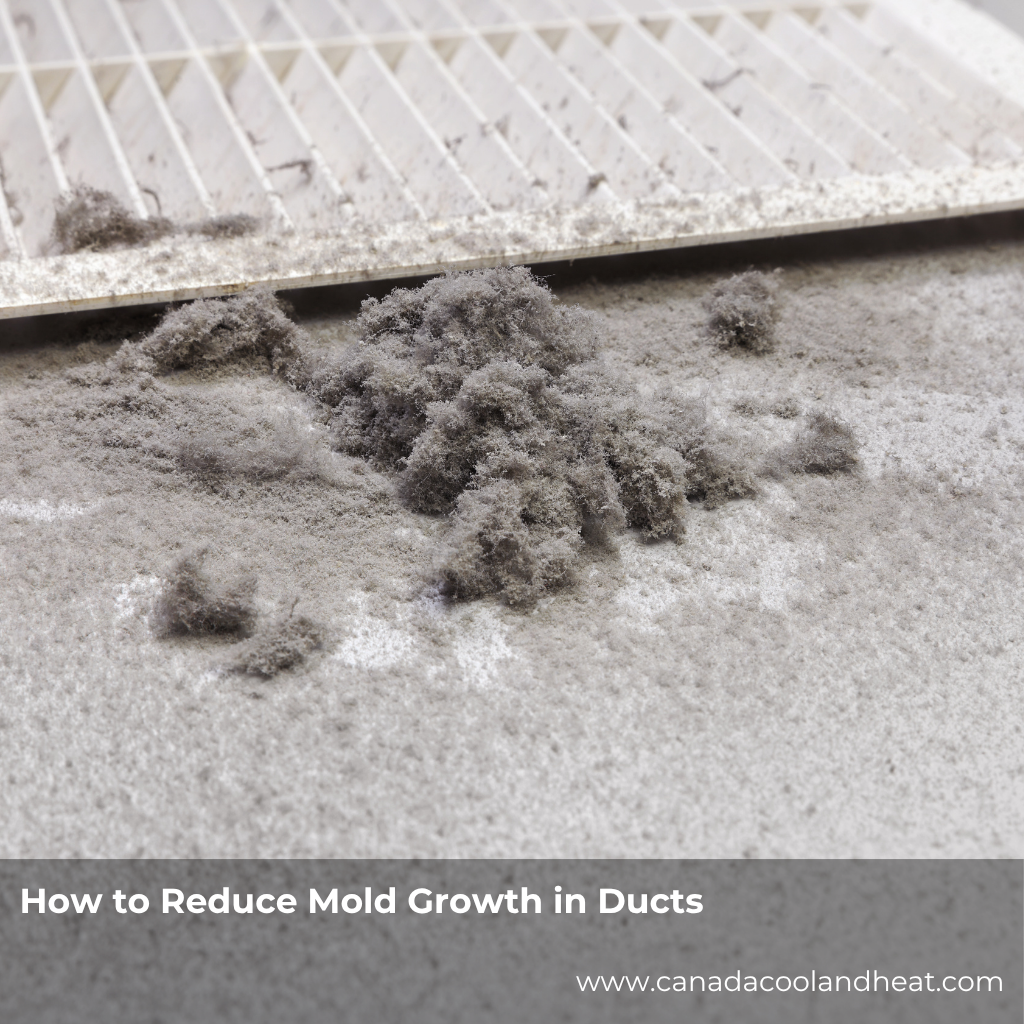
Why Kitchen Ventilation Matters Cooking releases more than just delicious smells. Every pot of boiling pasta water and sizzling stir-fry adds: Moisture – a key ingredient for mold growth. Grease particles – which cling to ducts and trap dirt. Combustion byproducts – like carbon monoxide if you’re cooking with gas. Without proper ventilation, these contaminants […]
The Role of MERV Ratings in Air Filters
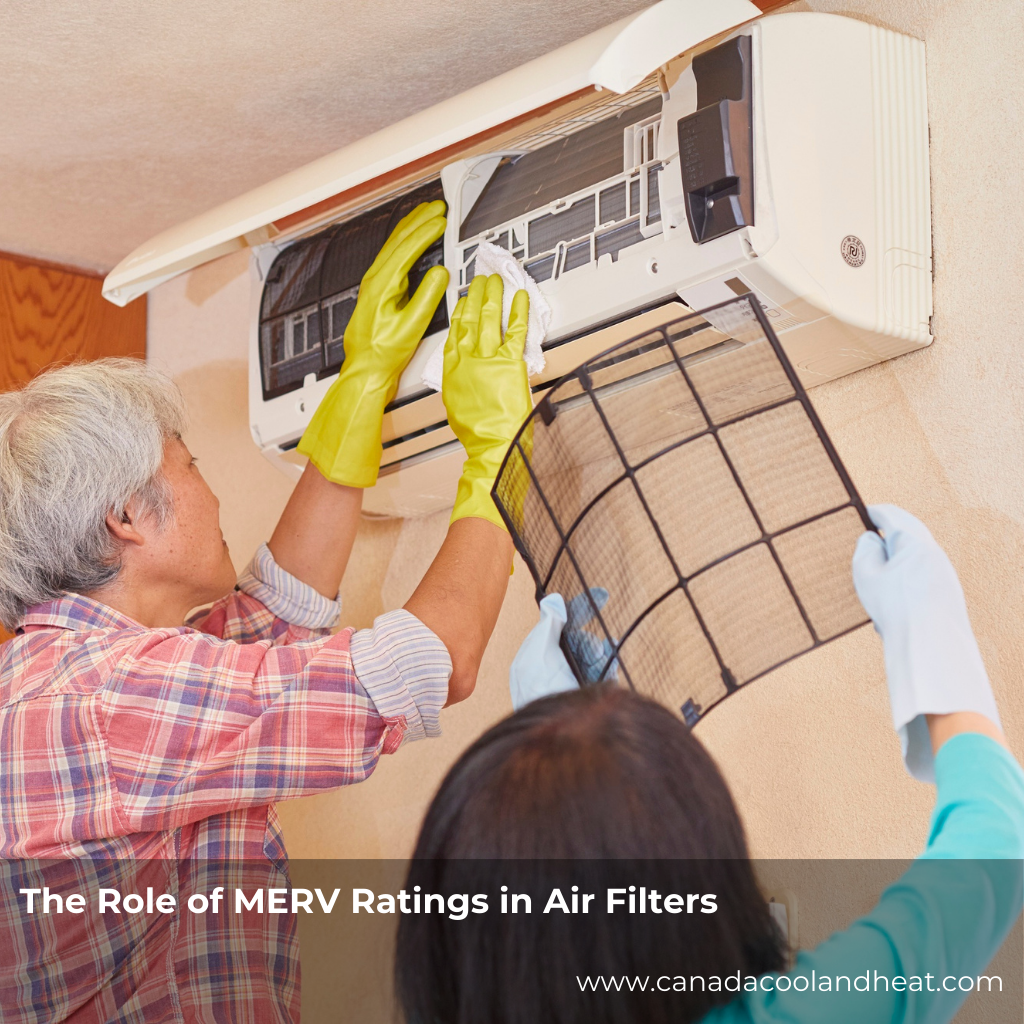
Why Ventilation Matters in Kitchens Cooking releases a cocktail of byproducts into the air: Grease particles that cling to surfaces Smoke and odors that linger long after a meal Moisture that fuels mold growth Heat that can overwhelm HVAC systems A vent hood serves as the first line of defense. It captures airborne pollutants and […]
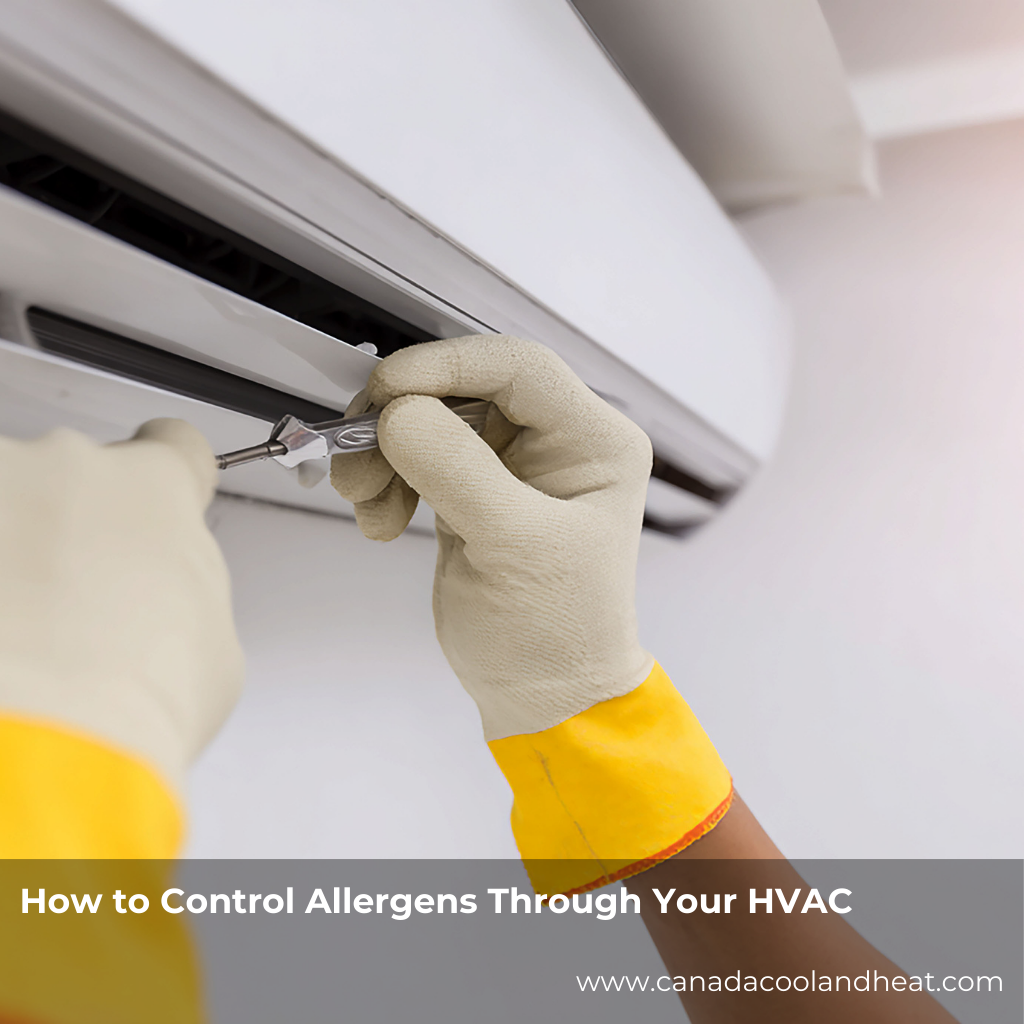
How to Control Allergens Through Your HVAC
Why Proper Ventilation Matters When Cooking Cooking releases more than just pleasant aromas. It also produces: Smoke and grease particles that stick to surfaces and trigger allergies. Moisture that can encourage mold growth. Volatile organic compounds (VOCs) from high-heat cooking oils. Odors that spread beyond the kitchen. Without proper airflow, these contaminants circulate through your […]