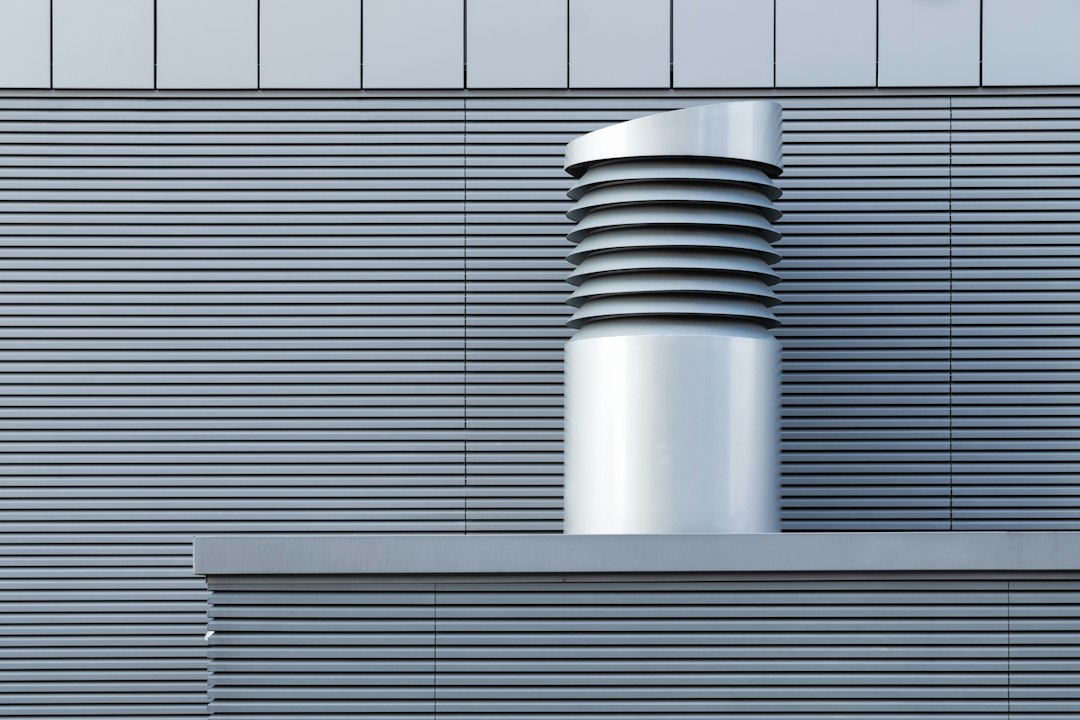
Ventilation systems play a crucial role in maintaining indoor air quality by controlling the inflow and outflow of air, which helps reduce indoor pollutants and maintain a healthy environment. Choosing the right ventilation system is key to ensuring that your home has fresh air circulation, which is vital for both health and comfort.
Why Ventilation Matters
Indoor air quality is directly affected by how well your home is ventilated. Without proper ventilation, pollutants like dust, mold, and volatile organic compounds (VOCs) can accumulate. These pollutants can come from everyday activities like cooking, cleaning, or even from building materials.
Good ventilation helps dilute and remove these pollutants, ensuring a steady supply of fresh air while expelling stale air. This is especially important in homes that are well-insulated, where natural air change is minimal.
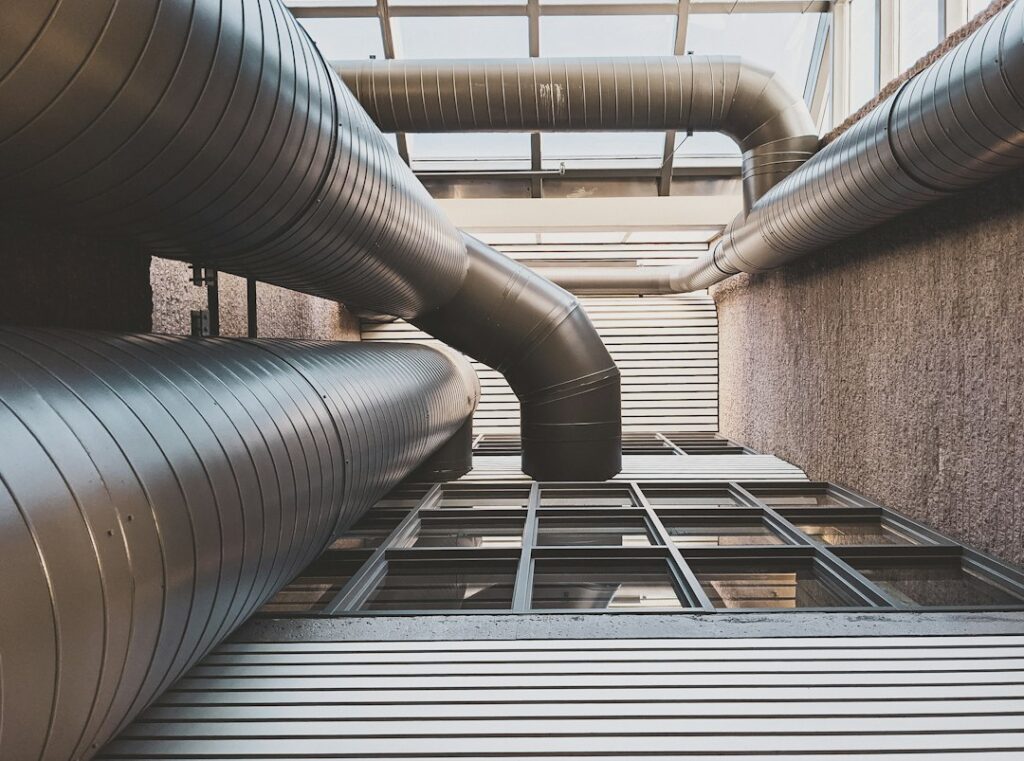
Types of Ventilation Systems
There are several types of ventilation systems to consider:
- Natural Ventilation: Relies on windows, doors, and vents to let air flow naturally.
- Exhaust Ventilation: Uses fans to expel indoor air, pulling in fresh air through leaks or openings.
- Supply Ventilation: Forces outside air into the home, creating positive pressure that pushes stale air out.
- Balanced Ventilation: Uses both supply and exhaust fans to maintain a consistent air exchange.
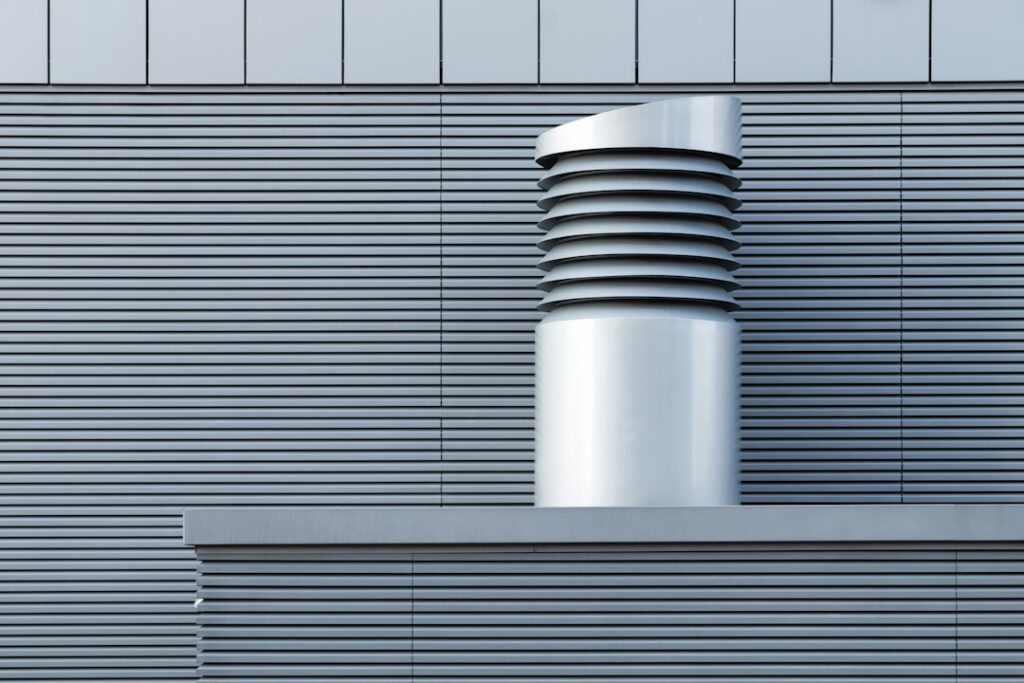
- Heat Recovery Ventilators (HRVs) and Energy Recovery Ventilators (ERVs): These systems not only ventilate but also exchange heat or energy to improve efficiency.
Factors in Choosing a Ventilation System
Choosing the right system depends on several factors, including:
- Climate: In colder climates, HRVs might be more suitable due to their ability to retain heat.
- Home Size and Design: Larger homes may require more extensive systems to ensure even distribution.
- Budget: While HRVs and ERVs can be more expensive upfront, they often save money on energy bills over time.
- Existing HVAC System: Consider how a new ventilation system will integrate with your current setup.
Benefits of a Well-Ventilated Home
Installing the right ventilation system not only boosts indoor air quality but also offers several other benefits:
- Reduces the risk of health issues related to poor air quality, such as allergies and respiratory problems.
- Helps control humidity, preventing mold growth.
- Improves overall comfort, making it easier to maintain a consistent indoor temperature.
“A well-chosen ventilation system can significantly improve your home’s air quality and your family’s health.”
Finding the Right Professional
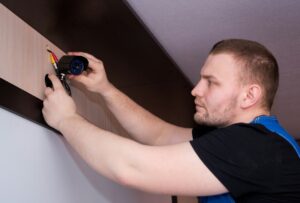
To ensure your ventilation system is properly installed and meets your needs, it’s essential to hire a qualified professional. You can find reputable contractors in your area through our contractor directory. Whether you’re in a major city like Montreal or a smaller community, having a professional assess your specific situation can make all the difference.
Next Steps for Homeowners
If you’re considering a new ventilation system, start by assessing your home’s needs and budget. Consult with a professional to explore your options and ensure proper installation. Regular maintenance will keep your system running efficiently and maintain good indoor air quality for years to come.
Frequently asked questions
What are the signs of poor indoor air quality?
Signs include frequent headaches, allergies, or respiratory problems while indoors. Unpleasant odors and visible mold growth can also indicate poor air quality.
How often should a ventilation system be maintained?
It's recommended to have your ventilation system inspected and maintained at least once a year to ensure it operates efficiently and effectively.
Can I install a ventilation system myself?
For safety and efficiency, it's best to hire a professional to install your ventilation system. Improper installation can lead to ineffective ventilation and potential safety hazards.
Are there any government rebates for ventilation systems?
Rebates for ventilation systems can vary by province and availability. Check with local authorities or utility companies for current programs.
How do HRVs and ERVs save energy?
HRVs and ERVs recover heat or energy from exhausted air and transfer it to incoming air, reducing the load on heating and cooling systems and saving energy.