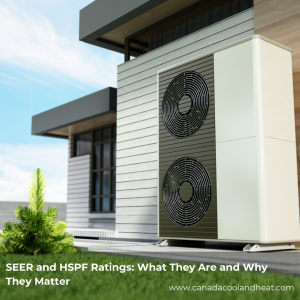
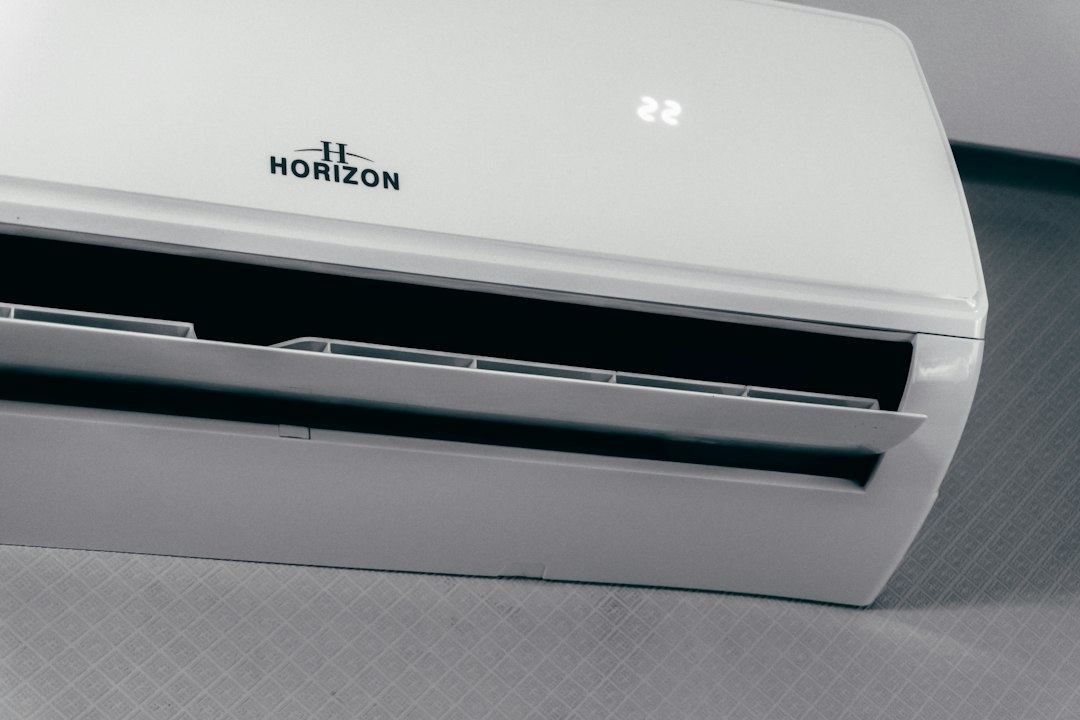
SEER, or Seasonal Energy Efficiency Ratio, is a measure of how efficiently an air conditioner operates over an entire cooling season. A higher SEER rating means better energy efficiency, which can lead to lower utility bills. When choosing a new air conditioning unit, consider the SEER rating as it directly impacts energy usage and cost-effectiveness.
What is SEER?
The SEER rating is a metric that evaluates the cooling output of an air conditioner over a typical cooling season, divided by the energy it uses in Watt-Hours. The higher the SEER number, the more efficient the unit. This rating is crucial for understanding how much energy your air conditioner will use to keep your home comfortable.
How SEER Ratings Affect Your Energy Bill
A unit with a high SEER rating can significantly reduce energy consumption. This translates to lower monthly energy bills, especially during the peak summer months. While units with higher SEER ratings might have a higher upfront cost, they often save money in the long run through reduced energy usage.
Investing in a higher SEER rating can lead to noticeable savings on energy bills over time.
Factors to Consider Beyond SEER
While the SEER rating is important, it isn’t the only factor to consider when choosing an air conditioner. Other considerations include:
- Size of the unit — Ensure the unit is appropriately sized for your home.
- Climate — A higher SEER might be more beneficial in warmer climates.
- Cost — Balance between initial cost and long-term savings.
The Impact of Climate
In regions with hotter climates, a higher SEER rating is more beneficial as it offers greater efficiency during extended periods of use. However, in milder climates, the benefits might not be as pronounced, so a moderately high SEER rating might be more cost-effective.
Choosing the Right SEER Rating for Your Home
When selecting an air conditioner, consider your local climate, home size, and budget. For personalized advice and installations, you may want to contact local experts, such as contractors in Toronto or contractors in Calgary.
Making the Investment
Choosing a unit with the right SEER rating can be a smart investment for your home. While higher SEER units cost more upfront, the potential savings on energy bills can make up for the initial expense. Consider long-term benefits and consult with professionals if needed.
Frequently asked questions
What does a higher SEER rating mean?
A higher SEER rating indicates better energy efficiency, meaning the air conditioner uses less energy to cool your home, potentially lowering utility bills.
Is a high SEER rating always worth the extra cost?
It depends on your climate and usage. In hot climates with frequent use, a higher SEER can save more on energy bills. In milder climates, the savings might be less significant.
How do I determine the right SEER rating for my home?
Consider your local climate, home size, and budget. Consulting with a local HVAC contractor can also help you make an informed decision.