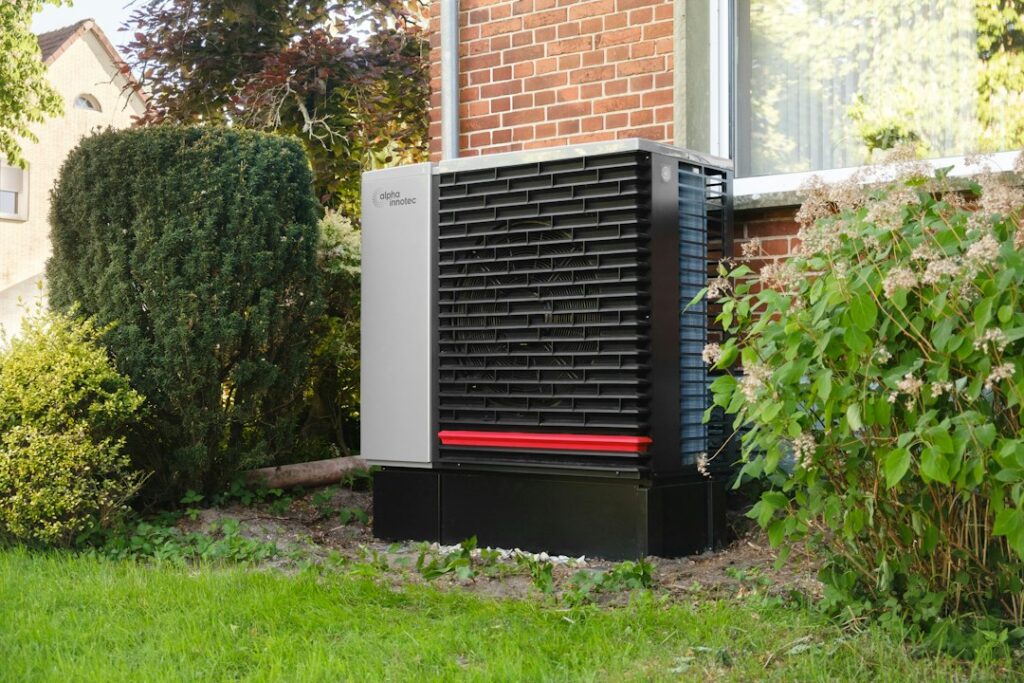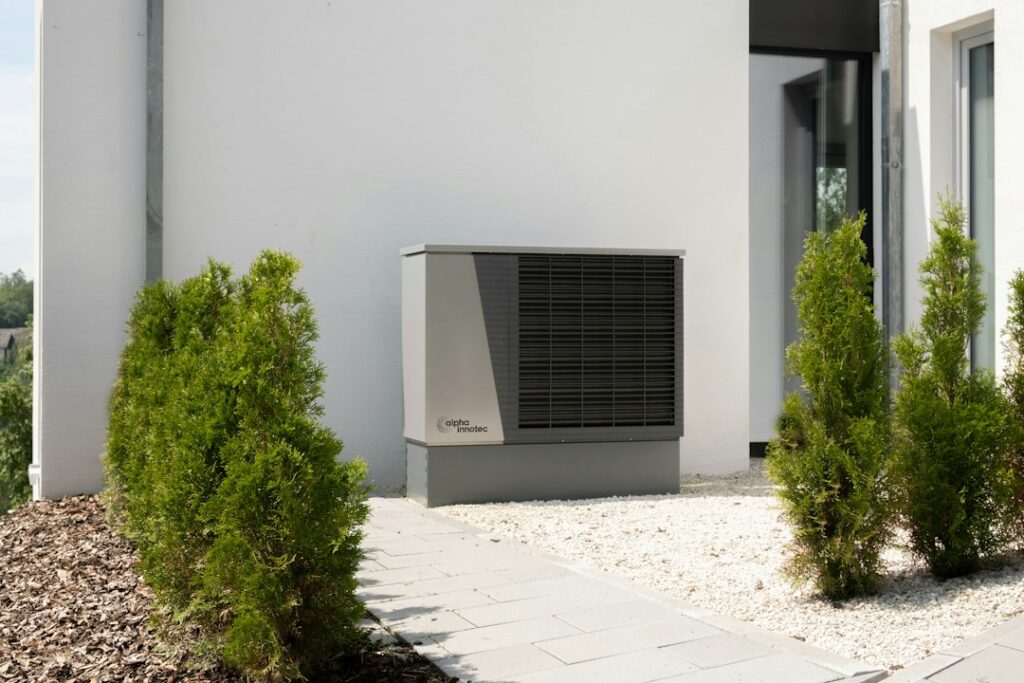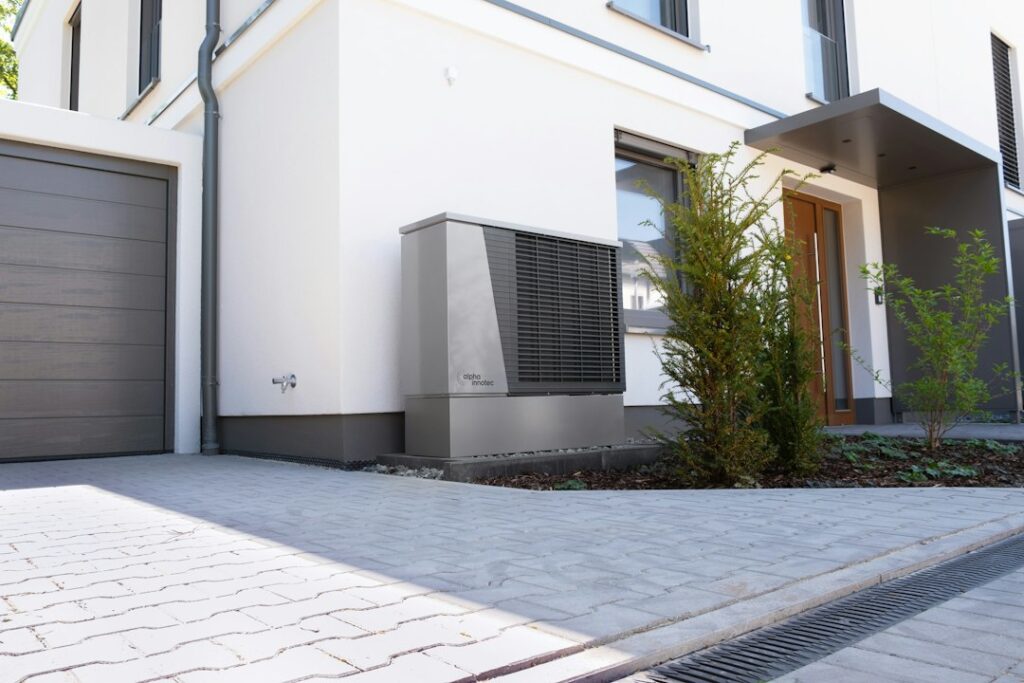
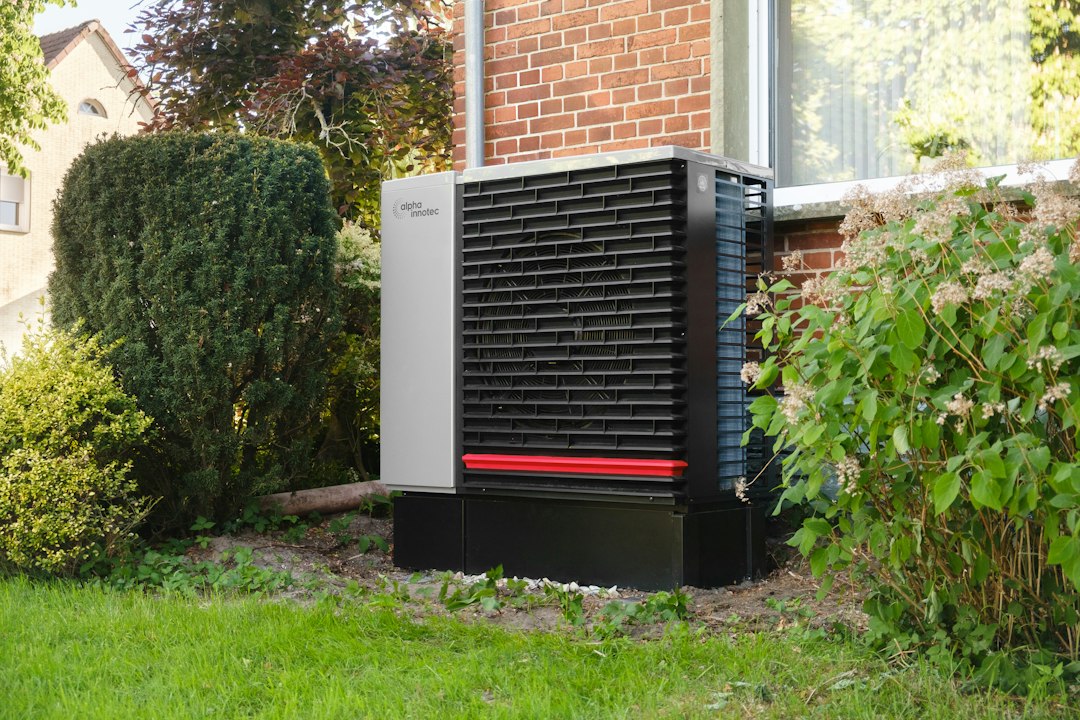
Choosing between a high-efficiency and a standard heat pump depends on your priorities. High-efficiency heat pumps offer increased energy savings and performance, but they often come with a higher initial cost. Standard heat pumps are more affordable upfront, but may lead to higher energy bills over time.
Understanding Heat Pump Efficiency
Heat pump efficiency is measured by the Seasonal Energy Efficiency Ratio (SEER) and the Heating Seasonal Performance Factor (HSPF). The higher these numbers, the more efficient the unit. High-efficiency models typically have SEER ratings above 18 and HSPF ratings above 10, while standard models usually fall below these numbers.

Energy Savings and Environmental Impact
High-efficiency heat pumps can significantly lower your energy bills. They use less electricity to provide the same level of heating or cooling as standard models. This can be especially beneficial in regions with harsh winters or hot summers. Additionally, they contribute to reducing your home’s carbon footprint.
- Lower energy consumption
- Reduced greenhouse gas emissions
- Potential for government rebates
Cost Considerations
The initial investment for high-efficiency heat pumps is higher than that for standard units. However, the long-term savings on energy bills can offset this cost over time. It’s important to assess how long you plan to stay in your home and your current energy costs to determine if the investment is worthwhile.
Installation and Maintenance
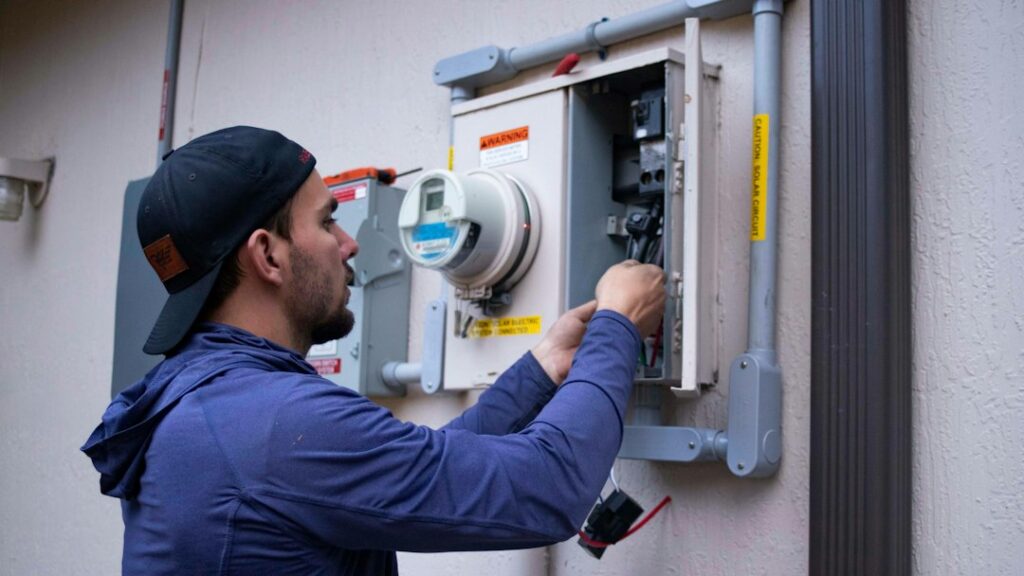
Professional installation is crucial for both types of heat pumps to ensure optimal performance. Regular maintenance is also necessary to maintain efficiency and extend the lifespan of the unit. You can find qualified professionals through our contractor directory.
High-efficiency heat pumps offer potential energy savings, but evaluate your long-term plans and budget to choose the right option for your home.
Climate Suitability
In colder climates, high-efficiency heat pumps are better suited to maintain comfort levels and reduce energy costs. They provide more consistent heating and are designed to perform well even in freezing temperatures. For milder climates, a standard heat pump may suffice without significant drawbacks.
Making the Right Choice
Deciding between a high-efficiency and a standard heat pump involves considering both short-term costs and long-term savings. Think about your local climate, energy prices, and how long you intend to stay in your current home. Consulting with a local HVAC professional can help you make an informed decision.
If you’re looking for experienced contractors, consider reaching out to professionals in Ottawa or Edmonton.
Frequently asked questions
What is the difference between high-efficiency and standard heat pumps?
High-efficiency heat pumps have higher SEER and HSPF ratings, indicating better performance and lower energy consumption compared to standard models. They are more expensive upfront but can save more on energy bills over time.
Are high-efficiency heat pumps worth the cost?
The value of high-efficiency heat pumps depends on your energy costs and climate. They provide long-term savings in energy bills, especially in areas with extreme weather. Consider how long you'll stay in your home to determine cost-effectiveness.
Do high-efficiency heat pumps qualify for rebates?
Yes, many high-efficiency heat pumps qualify for government or utility rebates. These incentives can help offset the initial higher cost. Check with local providers for specific rebate opportunities.
How often should I maintain my heat pump?
Regular maintenance is recommended at least once a year to ensure your heat pump runs efficiently. This includes cleaning filters, checking refrigerant levels, and inspecting components for wear.
Can a standard heat pump handle Canadian winters?
Standard heat pumps can work in milder Canadian climates, but high-efficiency models are better suited for harsh winters, providing more consistent heating and energy savings.