When choosing between ductless and central air systems, consider your home’s layout and your budget. Ductless systems offer flexibility and efficiency, while central air might be more suitable for larger homes with existing ductwork.
Upfront Costs
The initial cost of installing a central air system can be substantial, especially if your home doesn’t already have ductwork. This includes the cost of the system itself and the labor for installation. On the other hand, ductless systems tend to have lower installation costs per unit, making them an attractive option for homes without existing ducts.
- Central air systems require extensive ductwork, which can increase costs significantly.
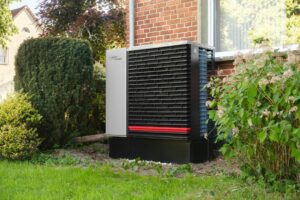
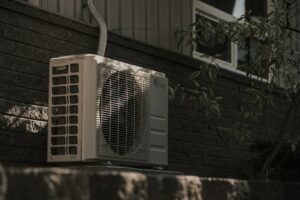
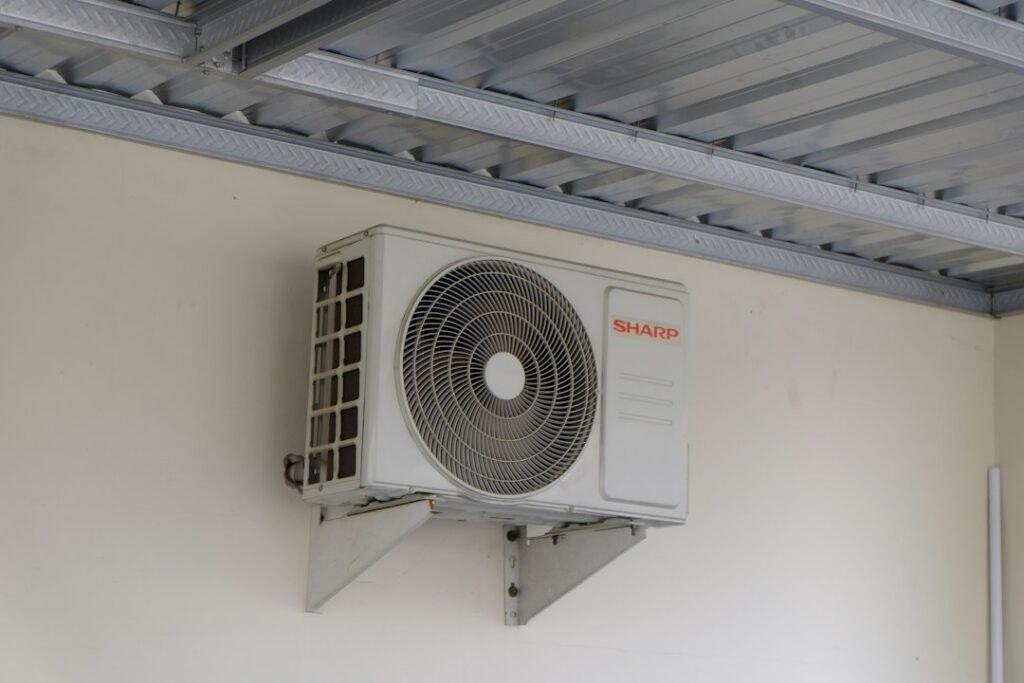
- Ductless systems typically involve installing one or more indoor units, connected by refrigerant lines to an outdoor unit.
Installation Complexity
Installing a ductless system is generally quicker and less invasive than central air. Ductless systems require only small holes for the refrigerant lines, whereas central air systems need comprehensive ductwork throughout the home. This makes ductless systems a practical option for homeowners looking to minimize disruption.
Energy Efficiency
Ductless systems often win on energy efficiency. They allow for zoned heating and cooling, meaning you can control the temperature in individual rooms or areas, reducing energy waste. In contrast, central air systems cool the entire home uniformly, which can lead to higher energy use.
Ductless systems provide targeted heating and cooling, making them more energy-efficient for homes without ductwork.
Home Size and Layout
For smaller homes or additions, ductless systems are often more suitable. They offer flexibility in installation and can be added to individual rooms as needed. Larger homes that already have ductwork might benefit more from a central air system, which can efficiently cool a larger area.
Maintenance and Lifespan
Both systems require regular maintenance to ensure optimal performance. Central air systems need duct cleaning and regular checks on the compressor and refrigerant levels. Ductless systems require filter cleaning and checking the outdoor unit. Typically, both systems can last 15 to 20 years with proper care.
Practical Considerations
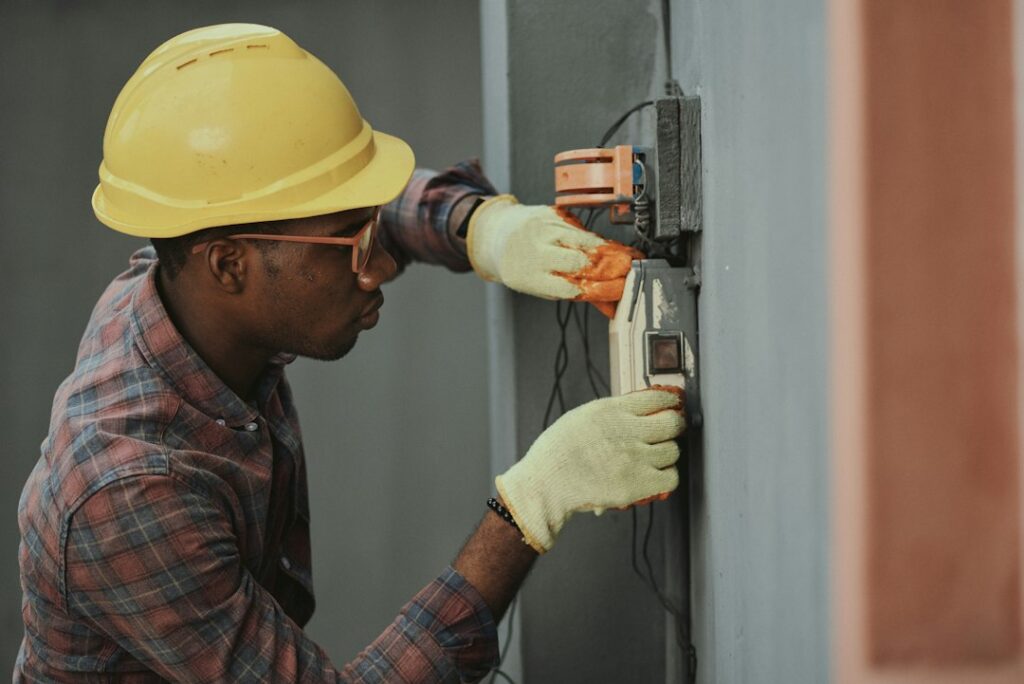
When deciding between ductless and central air systems, consider consulting a professional to assess your home’s needs. For those in Canada, finding a trusted contractor in your area, such as Toronto or Calgary, can help ensure you choose the best system for your home.
Frequently asked questions
What is the main advantage of ductless systems?
Ductless systems offer the advantage of zoned heating and cooling, allowing you to control the temperature in specific areas, which can lead to energy savings.
Are central air systems suitable for all homes?
Central air systems are best suited for homes with existing ductwork or those large enough to justify the cost and complexity of installation.
How long do ductless systems typically last?
With proper maintenance, ductless systems can last between 15 to 20 years, similar to central air systems.
Do ductless systems require more maintenance than central air?
Both systems require regular maintenance, but ductless systems generally involve less invasive checks, focusing on filter cleaning and the outdoor unit.
Can ductless systems be used in large homes?
While ductless systems can be used in large homes, they are often more practical for smaller spaces or homes without existing ductwork.