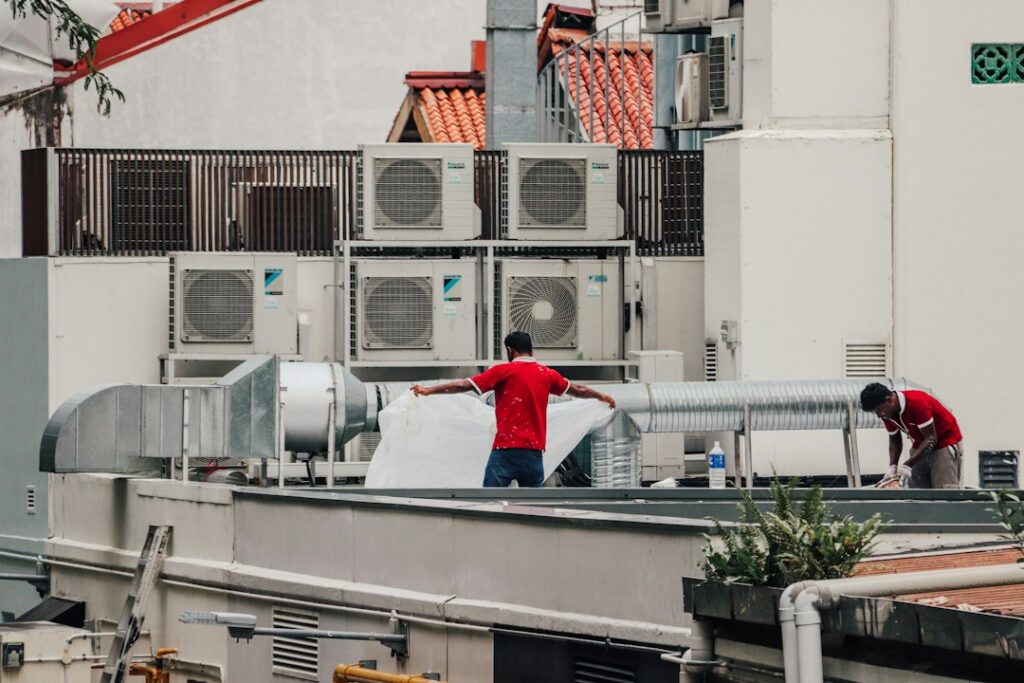
To properly winterize your air conditioning unit, clean it, cover it safely, and turn off the power to the unit. This ensures your AC is protected from harsh weather, extending its lifespan and maintaining efficiency.
Why Winterize Your AC Unit?
Winterizing your air conditioning unit is crucial to ensure it remains in good condition for the next cooling season. Exposure to snow, ice, and freezing temperatures can damage the components, leading to costly repairs or replacement. Protecting your unit now will save money and hassle later.
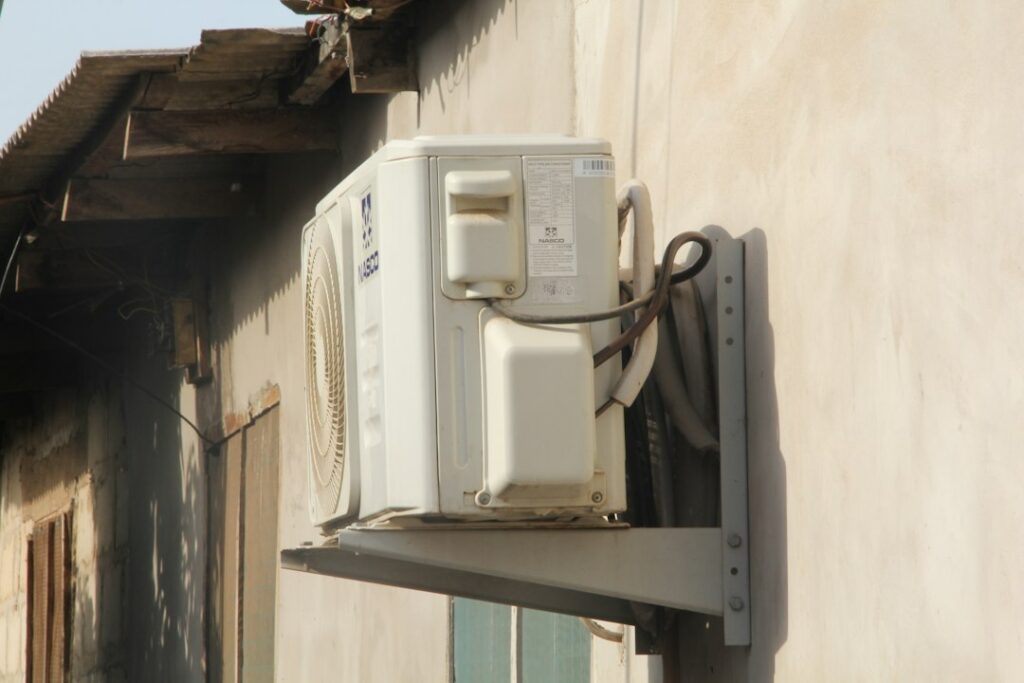
Steps to Winterize an AC Unit
1. Clean the Unit
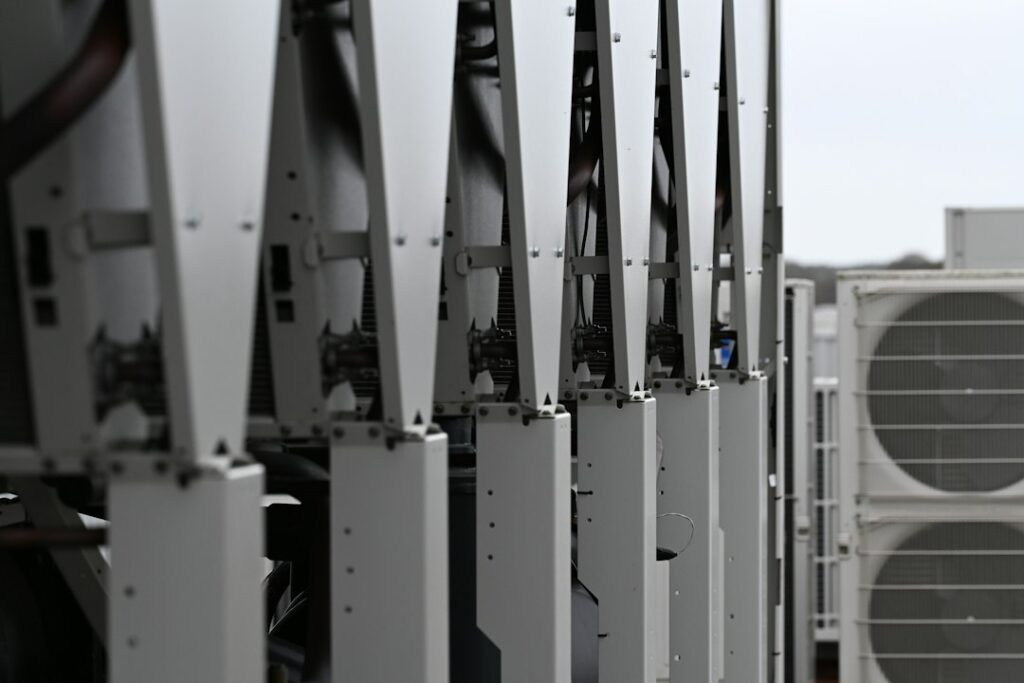
Start by cleaning the exterior of the unit. Remove leaves, dirt, and debris that have accumulated around and inside the unit. This prevents any blockage or damage when you restart it.
2. Cover the Unit
Covering the AC is essential to protect it from snow and ice. Use a breathable cover to prevent moisture buildup inside, which can lead to rust. Avoid using plastic covers as they trap moisture.
3. Turn Off the Power
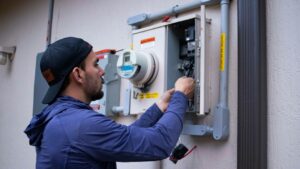
Switch off the power supply to the AC unit. This prevents it from turning on during an unexpected warm spell, which can draw water into the system and cause damage when temperatures drop again.
Common Mistakes to Avoid
One common mistake is covering the unit too tightly, which can trap moisture and promote rust. Another is neglecting to turn off the power, risking damage if the unit accidentally runs.
“Proper winterizing of your AC involves cleaning, covering, and cutting power to protect it from the harsh winter elements.”
When to Call a Professional
If you’re unsure about winterizing your AC unit, it’s wise to consult a professional. They can ensure the job is done correctly, protecting your investment. Consider reaching out to local contractors in Ottawa or Calgary for expert help.
Additional Tips for Maintenance
Regular maintenance in the off-season, like checking for rust or damage, ensures your AC is ready for summer. Keep the area around the unit clear of debris and check for any visible issues periodically.
Taking these steps to winterize your AC unit can significantly extend its lifespan and efficiency. If done properly, you minimize the risk of damage and ensure your cooling system is ready to perform when needed.
Frequently asked questions
When should I winterize my AC unit?
It's best to winterize your AC unit before the first freeze of the season. In Canada, this often means late fall, but timing can vary by region.
Can I use a tarp to cover my AC unit?
Using a tarp is not recommended as it can trap moisture, leading to rust. Instead, use a breathable cover designed for AC units.
Do I need to winterize a window AC unit?
Yes, window AC units should be removed or covered to protect them from the elements. This helps in extending their lifespan and efficiency.